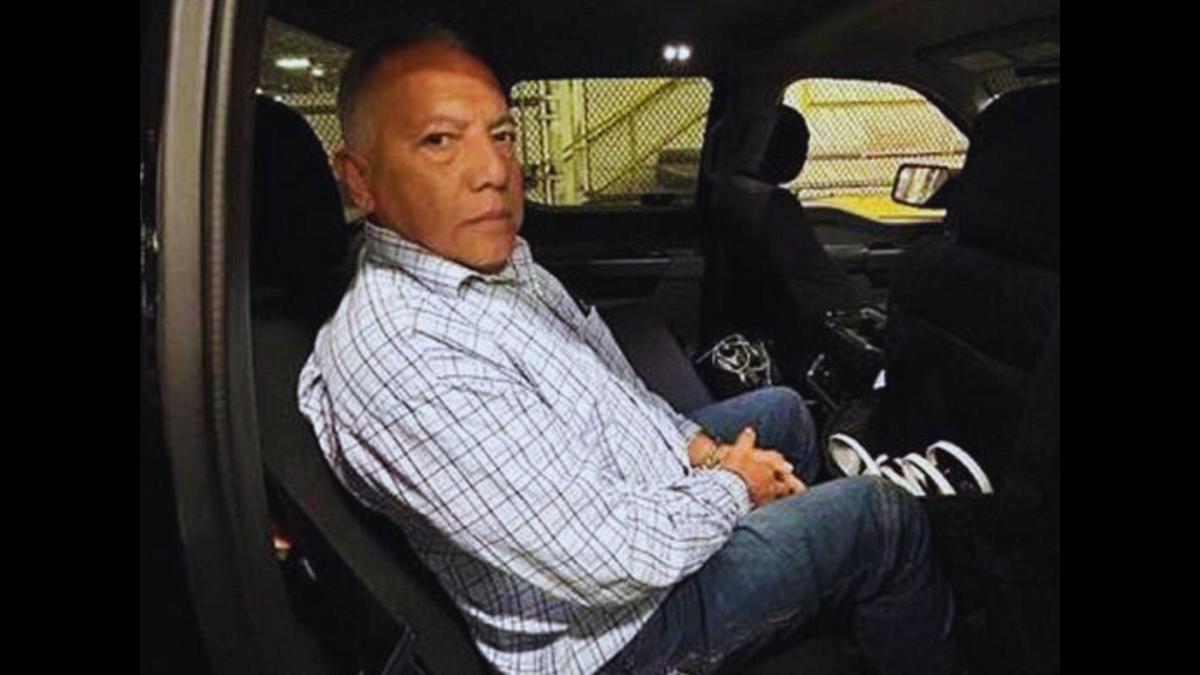
Unveiling a Dark Past: ICE Arrests Nicaraguan Ex-Soldier Linked to Massacre
In a startling turn of events, U.S. Immigration and Customs Enforcement (ICE) has apprehended a former Nicaraguan military member in Maryland, who is alleged to have played a role in a brutal massacre that took the lives of around 20 individuals during the tumultuous period of the Nicaraguan Contra War. This arrest not only highlights the ongoing quest for justice regarding historical war crimes but also raises significant questions about accountability for those who evade justice by seeking refuge in other countries.
The Context of the Arrest: Understanding the Nicaraguan Contra War
To fully grasp the implications of this arrest, it is essential to revisit the historical context of the Nicaraguan Contra War, which lasted from the late 1970s to the late 1980s. The conflict primarily pitted the Sandinista government, which had overthrown the Somoza dictatorship, against the Contra rebels, who were backed by the United States. This era was marked by severe human rights violations, including massacres, disappearances, and widespread violence.
The massacre linked to the arrested ex-soldier reportedly occurred in the 1980s and involved the targeted killing of civilians, a grim reminder of the dark history that continues to haunt Nicaragua. As survivors and family members of the victims seek justice, this recent arrest offers a glimmer of hope that those responsible for such heinous acts may be held accountable, even decades later.
The Arrest: Details and Implications
The individual arrested by ICE has been identified as a former member of the Nicaraguan military, specifically linked to a notorious battalion involved in the massacre. The operation that led to his arrest was part of a larger effort to identify and apprehend individuals in the United States who have committed war crimes or crimes against humanity.
ICE officials stated that the arrest underscores their commitment to ensuring that no one is above the law, regardless of their past affiliations or the passage of time. This operation aligns with the agency’s broader mandate to enforce immigration laws while simultaneously addressing issues of human rights abuses.
Accountability in Historical Context
The arrest of the Nicaraguan ex-soldier raises critical questions regarding the accountability of military personnel involved in historical conflicts. Many nations grapple with the challenge of addressing past atrocities, especially when those involved have sought refuge elsewhere. The implications of this arrest extend beyond individual accountability; they touch on the need for systematic mechanisms to address historical injustices.
- Legal Frameworks: Countries like Argentina and Germany have established legal precedents for prosecuting war criminals, which could serve as models for other nations addressing similar issues.
- International Cooperation: The arrest exemplifies the importance of international cooperation in bringing perpetrators of war crimes to justice, highlighting the role of treaties and agreements that facilitate extradition and prosecution.
- Survivor Advocacy: The voices of survivors and victim advocacy groups are crucial in these processes, pushing for justice and ensuring that historical wrongs are not forgotten.
The Repercussions of the Arrest
The ramifications of this arrest are multifaceted. For one, it may open the door for further investigations into other individuals who were involved in similar crimes during the Nicaraguan Contra War. Moreover, it could inspire other countries to take a more active role in addressing war crimes committed by their citizens abroad.
Additionally, this arrest serves as a reminder to Nicaraguan communities both in the United States and abroad that the pursuit of justice is ongoing. Survivors and families of victims often feel abandoned or overlooked, but cases like this reaffirm that their struggles are being recognized and that accountability is attainable.
The Role of the Community and Advocacy Groups
Community and advocacy groups play an indispensable role in the pursuit of justice for historical crimes. They provide support to survivors, engage in public awareness campaigns, and lobby for legislative changes that facilitate the prosecution of war criminals. Their efforts are often vital in keeping the memory of atrocities alive and ensuring that society does not forget the lessons of the past.
- Legal Support: Advocacy groups often assist survivors in navigating the complex legal landscape surrounding war crime prosecutions.
- Public Awareness: By raising awareness about historical injustices, these groups can mobilize public opinion and pressure governments to take action.
- Healing and Closure: Facilitating dialogues and commemorative events can help communities heal from the traumas of the past.
Looking Forward: The Path to Justice
As the case against the Nicaraguan ex-soldier unfolds, it stands as a testament to the enduring impact of historical injustices and the relentless pursuit of accountability. While the legal processes may be slow and fraught with challenges, the commitment to seeking justice for victims of war crimes remains steadfast.
In conclusion, the arrest of the former Nicaraguan military member by ICE not only highlights a significant moment in the ongoing struggle for justice for historical war crimes but also serves as a beacon of hope for survivors and advocates alike. It underscores the importance of accountability, remembrance, and the unwavering belief that justice can be served, no matter how long it takes. As the world continues to grapple with the repercussions of past conflicts, this case reinforces the vital need to confront dark histories and strive for a more just future.
See more ABC News Feed