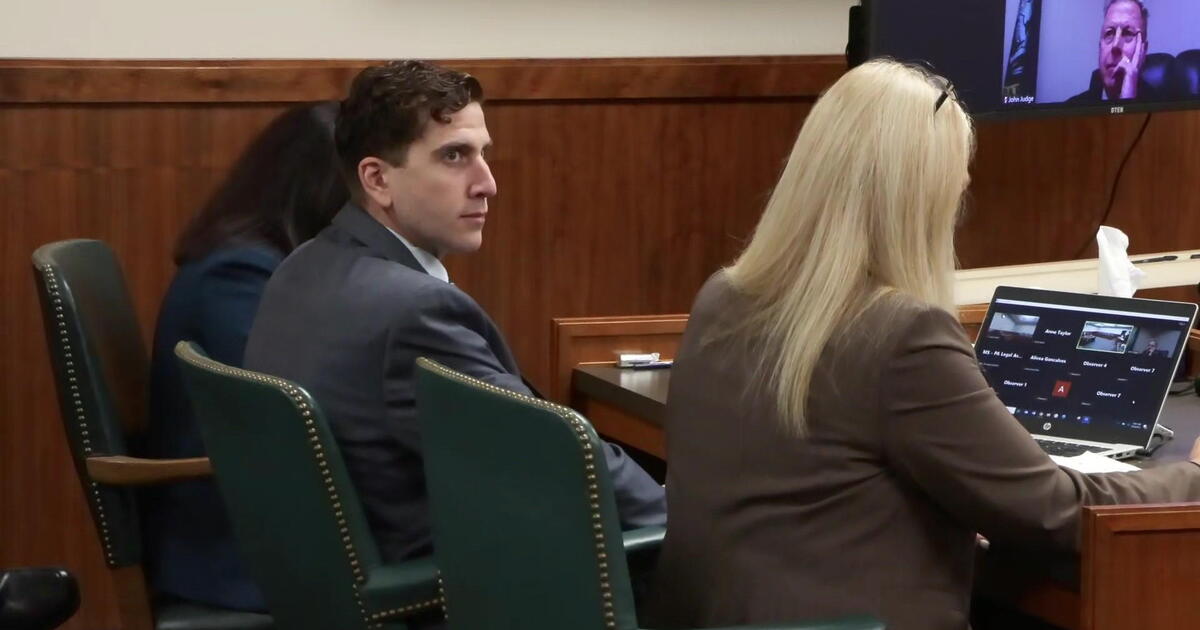
Unraveling Justice: The Defense’s Bold Claim in the Idaho Student Murders Case
The Idaho student murders case has gripped the nation, drawing intense media scrutiny and public interest. As the trial progresses, the defense’s bold claim that crucial evidence may have been planted raises significant questions about the integrity of the investigation. This assertion not only challenges the prosecution’s narrative but also has the potential to reshape the course of justice in this tragic case.
The Background of the Idaho Student Murders Case
In November 2022, the University of Idaho community was rocked by the brutal murder of four students: Ethan Chapin, Xana Kernodle, Kaylee Goncalves, and Madison Mogen. The shocking nature of these killings, which occurred in a home near the university campus, sent shockwaves through the small town of Moscow, Idaho. As investigators raced against time to find the perpetrator, the case quickly garnered national attention.
Authorities arrested Bryan Kohberger, a PhD student in criminology, as a suspect in the murders. The prosecution’s case heavily relied on forensic evidence, including DNA and cell phone data, to establish Kohberger’s presence at the crime scene. However, the defense’s recent claims introduce a new and controversial dimension to the proceedings.
The Defense’s Bold Claim
As the trial unfolds, the defense team is set to argue that certain pieces of evidence may have been planted to frame Kohberger. This provocative assertion raises a myriad of questions about the police investigation and the handling of evidence. Defense attorneys contend that the possibility of evidence tampering could undermine the prosecution’s entire case.
Key points of the defense’s argument include:
- Questionable Evidence Collection: The defense may argue that the methods used to collect evidence were flawed or compromised, potentially leading to contamination.
- Witness Testimonies: They may challenge the credibility of witnesses who claim to have seen Kohberger near the crime scene, suggesting that their accounts could be influenced by outside factors.
- Forensic Analysis Discrepancies: The defense plans to scrutinize the forensic evidence presented by the prosecution, arguing that it may not be as conclusive as claimed.
The Implications of the Defense’s Claims
The assertion that evidence might have been planted is not merely a legal strategy; it has profound implications for the justice system. If the defense can convincingly argue that evidence was tampered with, it could lead to a mistrial or even the dismissal of charges against Kohberger. This scenario would not only devastate the families of the victims but also shake public confidence in the investigative process.
Moreover, this case highlights broader issues within the criminal justice system, including:
- Accountability in Law Enforcement: A narrative suggesting police misconduct could prompt calls for reform, emphasizing the need for rigorous accountability standards.
- Public Perception of Justice: High-profile cases often shape public opinion about the effectiveness of the justice system. A failure to secure a conviction could lead to widespread disillusionment.
- Media Influence: The role of media in shaping narratives around criminal cases cannot be understated. How the story is presented can impact jury perceptions and the overall trial.
Legal Precedents and Defense Strategies
The defense’s strategy to claim evidence planting draws from various legal precedents where similar assertions have led to significant outcomes. In cases across the United States, defendants have successfully argued that evidence was mishandled or fabricated, leading to exonerations and new trials. For example, the case of Brendan Dassey in the “Making a Murderer” series showcases the complexities of evidence handling and the subsequent implications for defendants.
Defense attorneys often rely on expert witnesses in forensic science to challenge the prosecution’s claims. In the Idaho student murders case, the defense may bring in forensic experts to dissect the evidence presented, aiming to sow doubt in the minds of jurors. This tactic can be particularly effective in cases involving complex scientific data, where the average juror may lack the expertise to evaluate the evidence critically.
The Importance of Fair Trials
At the heart of the justice system lies the principle of a fair trial. The defense’s claim about planted evidence underscores the necessity for a transparent and impartial judicial process. Every defendant is entitled to a robust defense, and the presumption of innocence is a cornerstone of American law.
As the trial progresses, the courts will have to balance the rights of the accused with the pursuit of justice for the victims. It is crucial for the legal system to address any allegations of misconduct seriously, as these issues can have lasting repercussions for all involved.
Community Reactions and Public Sentiment
The Idaho student murders case has sparked a profound emotional response from the community and beyond. Families and friends of the victims are grappling with their loss, while the broader public feels the weight of the tragedy. As the trial unfolds, community sentiment is likely to fluctuate based on revelations made in court.
Many community members express their desire for justice, hoping for a resolution that honors the memories of the victims. However, the defense’s bold claims about evidence planting could lead to increased frustration and confusion among those seeking closure. The duality of wanting justice while fearing the possibility of a mistrial or acquittal adds a layer of complexity to public emotions surrounding the case.
Looking Ahead: The Future of the Case
As the Idaho student murders case continues to unfold, the implications of the defense’s claims will be closely watched. Legal analysts and the public alike will scrutinize how the court addresses these allegations and what impact they will have on the trial’s outcome.
Ultimately, the pursuit of justice is a shared responsibility among law enforcement, the judiciary, and the community. While the defense’s claims may introduce uncertainty, they also serve as a reminder of the importance of due process and the need for rigorous standards in the investigation and prosecution of such serious crimes.
In conclusion, the defense’s bold claim in the Idaho student murders case has the potential to unravel not only the prosecution’s case but also the very fabric of justice itself. As the trial progresses, all eyes will be on the courtroom, awaiting the outcome of this complex and deeply emotional case.
See more ABC News Feed