IDF’s Bold Move: Understanding the West Bank Offensive Post-Bus Explosions
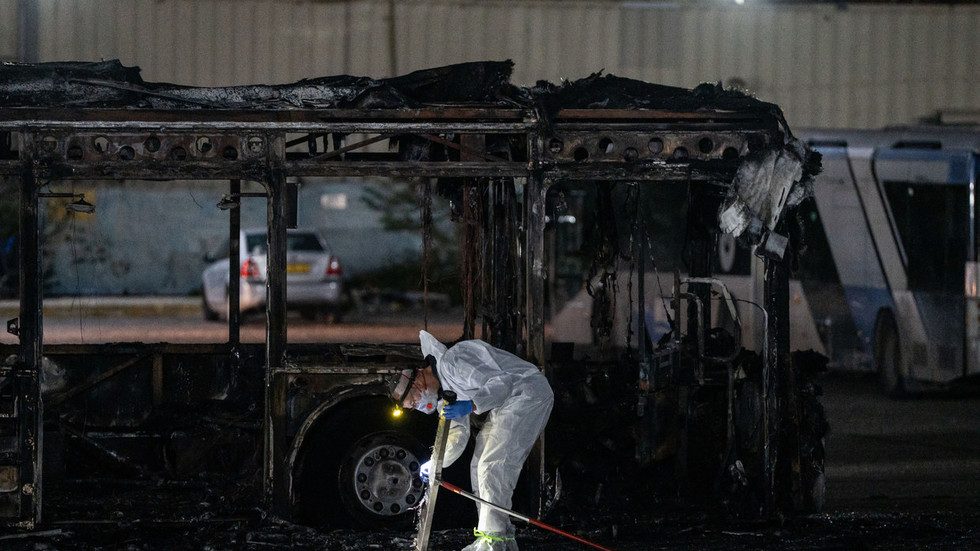
In the wake of a series of catastrophic bus explosions that shook Israel, the Israeli Defense Forces (IDF) have launched a significant military operation in the West Bank. This decisive action comes in response to heightened security concerns and the urgent need to restore stability in a region fraught with tension. The IDF’s bold move is not just a military response but a complex strategic decision that could have lasting implications for peace and security in the area.
The Context of the Bus Explosions
In recent weeks, Israel has witnessed a disturbing resurgence of violence, culminating in bus explosions that resulted in numerous casualties. These attacks, attributed to various militant groups, have not only instilled fear among the Israeli populace but have also drawn international condemnation. The explosions serve as a grim reminder of the ongoing conflict that has plagued the region for decades.
Local and international observers have pointed out that these incidents may be part of a broader strategy by extremist factions to destabilize the area further. The timing of the attacks coincides with increasing tensions between Israelis and Palestinians, particularly in the West Bank, where clashes have become more frequent.
IDF’s Strategy: Objectives and Operations
In response to the recent violence, the IDF’s bold move aims to achieve several critical objectives:
- Restoration of Security: The immediate goal is to restore a sense of security among Israeli citizens, particularly in urban areas that have been targeted by attacks.
- Deterrence: By launching a comprehensive offensive, the IDF seeks to deter future attacks by demonstrating its capability and resolve to respond vigorously to threats.
- Targeting Militants: The operation focuses on dismantling the infrastructure of militant groups in the West Bank, including their command structures and logistical networks.
- Intelligence Gathering: A crucial aspect of the operation involves gathering intelligence to prevent future attacks and understand the evolving tactics of militant groups.
Military sources indicate that the operation will involve coordinated ground and aerial assaults, enhanced surveillance, and collaboration with intelligence agencies. The IDF is expected to deploy additional troops to the West Bank, particularly in areas known for militant activity.
Regional Security Implications
The IDF’s bold move raises significant questions about regional security dynamics. While the operation aims to address immediate threats, it also risks exacerbating tensions between Israelis and Palestinians. The West Bank has long been a flashpoint for conflict, and any military incursion can lead to increased unrest among Palestinian communities.
Moreover, the international community is closely watching the situation, with many urging restraint and advocating for a renewed dialogue between the parties involved. Critics argue that a heavy-handed military response could alienate moderate voices within Palestinian society and bolster support for extremist factions.
Potential for Escalation
As the IDF’s operation unfolds, the potential for escalation remains a concern. History has shown that military actions can lead to unintended consequences, including increased violence and civilian casualties. The IDF is aware of the delicate balance it must maintain to achieve its objectives without triggering a wider conflict.
Palestinian leaders have condemned the offensive, calling it an act of aggression that undermines efforts toward peace. They emphasize the need for a political solution to the ongoing conflict rather than military interventions. The international community, including the United Nations, has echoed these sentiments, stressing the importance of dialogue and negotiation.
Public Sentiment and Political Reactions
In Israel, public sentiment is often divided when it comes to military operations in the West Bank. Many Israelis support the IDF’s bold move, viewing it as a necessary step to ensure their safety. However, there is also a significant portion of the population that advocates for a more diplomatic approach, fearing that military actions could lead to further cycles of violence.
Political leaders in Israel face pressure to respond decisively to threats, yet they must also consider the long-term implications of their actions. The balance between security and diplomacy is a tightrope that Israeli politicians must navigate carefully.
A Path Forward: The Need for Dialogue
While the IDF’s bold move aims to address immediate security concerns, it is essential to recognize that lasting peace cannot be achieved solely through military means. The complexities of the Israeli-Palestinian conflict require a multifaceted approach that includes diplomatic efforts, economic development, and community engagement.
Experts emphasize the importance of reviving peace talks and addressing the root causes of the conflict. Initiatives aimed at fostering understanding and cooperation between Israelis and Palestinians can help build trust and reduce tensions over time.
Conclusion: The Road Ahead
The IDF’s bold move in response to the bus explosions marks a critical juncture in the ongoing struggle for peace and security in the region. While military operations may provide temporary relief from immediate threats, they also carry the risk of deepening divisions and perpetuating cycles of violence.
Ultimately, a sustainable solution will require commitment from both sides to engage in meaningful dialogue and explore paths toward coexistence. As the situation evolves, the hope remains that both the Israeli and Palestinian people can find a way to live together in peace and security.
See more ABC News Feed