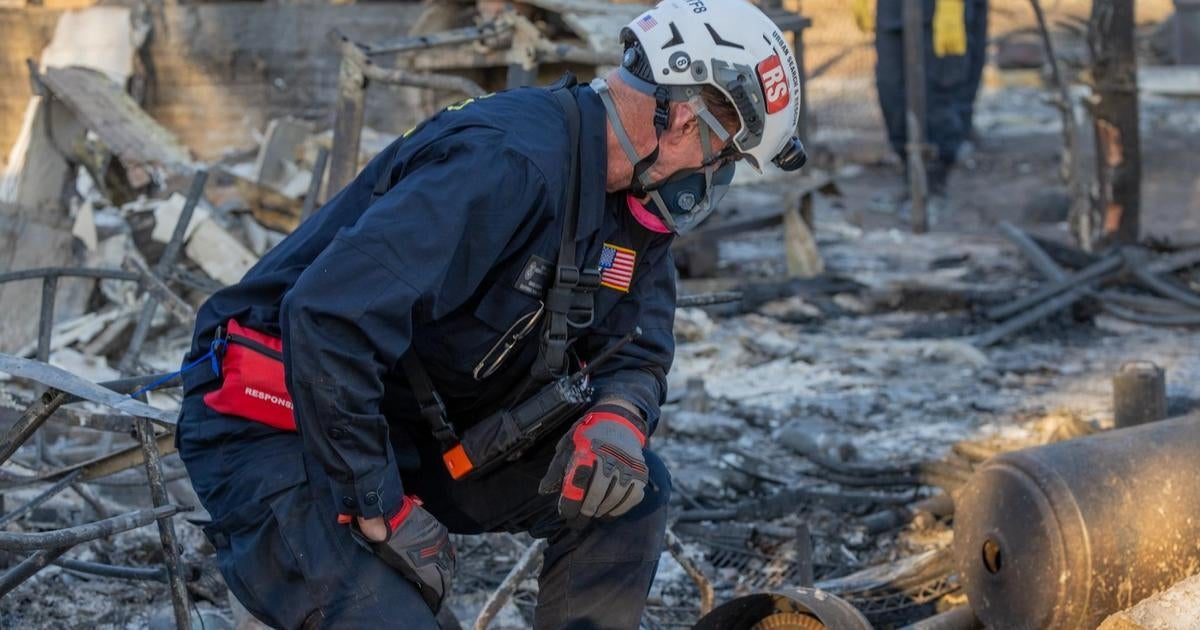
Inside FEMA: Unpacking the Agency’s Crucial Role in Disaster Response
The Federal Emergency Management Agency (FEMA) serves as the backbone of the United States’ disaster response framework. With an extensive mandate that encompasses preparing for, responding to, and recovering from disasters, FEMA plays a pivotal role in ensuring communities can withstand and rebuild after catastrophic events. Drawing on insights from a former FEMA regional administrator, we explore the agency’s crucial functions, the challenges it faces, and the successes achieved in disaster management.
The Mission of FEMA
FEMA’s core mission revolves around helping people before, during, and after disasters. This involves:
- Preparedness: Training and educating communities about disaster risks and response strategies.
- Response: Coordinating federal, state, and local resources during emergencies.
- Recovery: Assisting affected individuals and communities in rebuilding and restoring their lives.
- Mitigation: Implementing measures to reduce the impact of future disasters.
The agency works collaboratively with various stakeholders, including local governments, non-profits, and private sector partners, recognizing that effective disaster response is truly a team effort.
Challenges Faced by FEMA
Despite its critical role, FEMA faces numerous challenges in executing its mission:
- Resource Allocation: Disasters can occur simultaneously in different regions, stretching resources thin. FEMA must prioritize where to deploy aid effectively.
- Communication: Coordinating between federal, state, and local agencies can lead to confusion. Clear communication protocols are essential for seamless collaboration.
- Funding Limitations: FEMA’s budget can fluctuate based on political decisions and economic conditions, impacting its ability to prepare and respond to disasters.
- Public Awareness: Many communities lack adequate knowledge about disaster preparedness, leading to increased vulnerability.
These challenges require innovative solutions and a flexible approach to disaster management, emphasizing the need for continuous improvement and adaptation.
Success Stories in Disaster Response
Despite these challenges, FEMA has several success stories that highlight its effectiveness:
- Hurricane Harvey (2017): FEMA’s swift response and coordination with local agencies helped provide aid to millions affected by the devastating floods in Texas.
- COVID-19 Pandemic: FEMA played a crucial role in distributing personal protective equipment (PPE) and vaccines across the nation, showcasing its adaptability in non-traditional disaster scenarios.
- California Wildfires: FEMA’s collaboration with CAL FIRE and various local agencies has led to improved response times and community preparedness efforts.
These instances demonstrate that when well-coordinated, FEMA can effectively mitigate the impacts of disasters and support recovery efforts.
Community Engagement and Preparedness
A significant part of FEMA’s strategy involves engaging communities in preparedness efforts. The agency emphasizes the importance of local knowledge and resilience. Here are some ways FEMA promotes community engagement:
- Training Programs: FEMA offers training for local emergency managers and first responders, ensuring they are equipped with the skills needed during a crisis.
- Public Awareness Campaigns: Initiatives like “Ready.gov” educate the public about disaster preparedness, encouraging families to create emergency plans and kits.
- Community-Based Programs: FEMA collaborates with local organizations to develop tailored disaster response plans that consider specific community needs.
By fostering a culture of preparedness, FEMA not only enhances community resilience but also ensures a more effective response during actual emergencies.
The Future of FEMA
As climate change continues to escalate the frequency and severity of disasters, FEMA must adapt and evolve. Here are some anticipated trends for the agency’s future:
- Technological Integration: Leveraging technology for data analysis, communication, and resource management will be key in improving response times and effectiveness.
- Increased Focus on Mitigation: FEMA is expected to place a greater emphasis on pre-disaster mitigation funding, encouraging communities to invest in infrastructure that can withstand disasters.
- Enhanced Collaboration: Building stronger partnerships with NGOs, private sector entities, and international organizations will be essential to share resources and knowledge.
By embracing these trends, FEMA can continue to fulfill its crucial role in disaster response while adapting to the changing landscape of emergency management.
Conclusion
Inside FEMA, the agency’s dedication to disaster response is evident in its multifaceted approach to preparing for and managing emergencies. While challenges abound, the successes achieved through community engagement, innovative practices, and inter-agency collaboration illustrate the agency’s pivotal role in safeguarding lives and property. As we look to the future, FEMA’s commitment to continuous improvement and adaptation will be vital in addressing the unprecedented challenges posed by natural and man-made disasters. Ultimately, FEMA is not just an agency; it’s a lifeline for communities in need, ensuring that hope and recovery can flourish even in the darkest times.
See more ABC News Feed