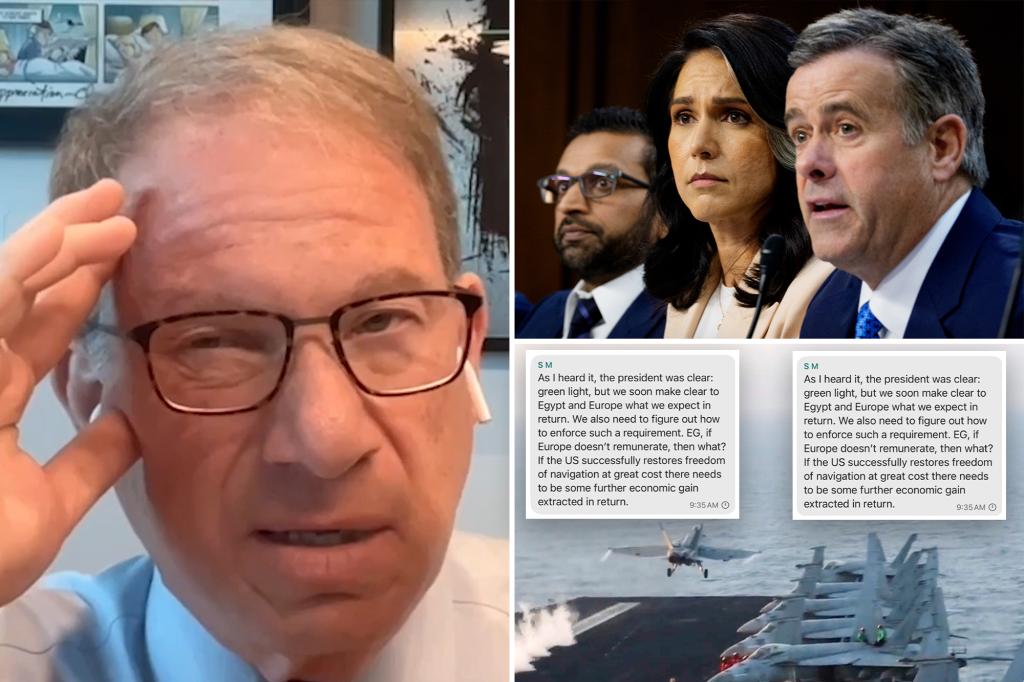
Inside the Controversy: Will Atlantic Editor Jeff Goldberg Reveal More ‘War Plans’ Texts?
In the ever-evolving landscape of political journalism, few figures have garnered as much attention as Jeff Goldberg, the editor of The Atlantic. Recently, Goldberg has found himself at a crossroads regarding the potential release of additional texts related to pivotal ‘war plans.’ As tensions rise globally and domestically, the implications of these potential revelations could significantly alter public perception and discourse. In this article, we will explore the context of these texts, the implications of their release, and the broader impact on journalism and public trust in media.
The Context Behind the ‘War Plans’ Texts
The term ‘war plans’ often conjures images of military strategies and classified documents, but in this context, it refers to a series of communications that reportedly detail strategic discussions by key political figures. These texts are said to include insights into the planning and considerations surrounding military actions, international relations, and national security decisions. The gravity of such revelations cannot be understated, as they touch on sensitive topics that could provoke strong reactions from various stakeholders.
Goldberg has previously released information that sparked intense public discourse, leading to calls for transparency in government operations. The initial release of these texts raised questions about the ethical implications of revealing sensitive information and the responsibility of journalists to balance public interest with national security concerns.
The Ethical Dilemma
Goldberg’s dilemma is not just about whether to release more texts; it’s also about the ethical implications of doing so. Journalists often find themselves in a precarious position where the public’s right to know clashes with the potential risks posed by the information disclosed. The ethical principles guiding journalistic integrity suggest that reporters should strive to inform the public while minimizing harm. In this case, the potential harm could manifest in various forms:
- National Security Risks: Revealing specific military strategies could jeopardize ongoing operations or diplomatic negotiations.
- Public Panic or Misunderstanding: Information taken out of context can lead to public fear or misinformation, which may affect social stability.
- Political Ramifications: The disclosure of certain texts could lead to political fallout, impacting relationships between nations and affecting domestic politics.
The Implications of Releasing More Texts
Should Goldberg decide to publish additional ‘war plans’ texts, the implications could be profound. Here are some potential outcomes:
1. Shaping Public Discourse
One of the most immediate effects of releasing more texts would be the shaping of public discourse. The media plays a crucial role in framing conversations around sensitive topics. By providing insight into the government’s strategic thinking, Goldberg could influence how the public perceives military actions and foreign policy decisions.
2. Impact on Trust in Media
The decision to release or withhold information can significantly impact the public’s trust in media organizations. If Goldberg opts to reveal more texts, he may bolster The Atlantic’s reputation as a source of honest and critical journalism. Conversely, if he chooses not to disclose, some may view it as a failure to hold power accountable. This trust is essential, particularly in an age where misinformation spreads rapidly.
3. Political Consequences
The political landscape is also likely to be affected. For instance, if the texts contain revelations that contradict public statements made by government officials, it could lead to increased scrutiny and potential backlash against those in power. Such outcomes could shift political dynamics, emboldening critics of the administration or even leading to calls for policy changes.
Goldberg’s Reputation and Journalistic Responsibility
As an established figure in journalism, Goldberg’s reputation precedes him. His work has often focused on national security, foreign policy, and the complexities of global conflicts. The decisions he makes now could either reinforce his standing as a responsible journalist or challenge it, depending on how the public and his peers perceive the consequences of his actions.
Moreover, Goldberg’s responsibility extends beyond merely reporting facts. He must consider the broader implications of his revelations. In an age where information is disseminated at lightning speed, the impact of his decisions could reverberate across the political landscape and influence the behavior of both citizens and leaders.
The Broader Impact on Journalism
The situation surrounding Goldberg and the ‘war plans’ texts is emblematic of a larger trend in journalism today. The tension between transparency and security is a constant theme in the media’s relationship with power. As journalists navigate this complex terrain, they must grapple with questions of ethics, responsibility, and the public’s right to know.
1. The Role of Investigative Journalism
Investigative journalism has become increasingly vital in holding power accountable. The revelations from Goldberg’s potential texts could serve as a case study in the importance of this branch of journalism. By uncovering truths that those in power may wish to conceal, journalists can foster informed public discourse and encourage civic engagement.
2. The Future of Media Credibility
As society grapples with rising misinformation, the credibility of media organizations hangs in the balance. Journalists like Goldberg have a unique opportunity to build trust with their audiences by adhering to ethical standards and prioritizing transparency. The choices made in the coming weeks will not only affect The Atlantic but could also set precedents for other media outlets.
Conclusion: The Path Forward for Goldberg and The Atlantic
As Jeff Goldberg stands at this critical juncture, the decision to release more ‘war plans’ texts will carry weight far beyond the immediate implications. The potential for shaping public discourse, influencing political dynamics, and reinforcing or undermining trust in media cannot be overstated. Ultimately, the path forward will hinge on a careful balancing act between the public’s right to know and the responsibilities that come with revealing sensitive information.
In a world where the stakes are high and information is a powerful tool, Goldberg’s decisions will be closely scrutinized. Whether he opts to unveil more texts or maintain a level of restraint, the choice will echo in the annals of journalistic history, shaping the dialogue around transparency, accountability, and the role of the media in democratic societies.
See more ABC News Feed