Tensions Escalate: Russia and Ukraine Exchange Accusations Over Kursk School Attack
In a dramatic turn of events, the recent attack on a boarding school in Russia’s Kursk region has ignited a firestorm of accusations between Russia and Ukraine. This incident, which resulted in tragic loss of life and injuries, has not only escalated tensions between the two nations but also raised pressing concerns about the stability of the broader region. The ongoing conflict, which has persisted for years, is now witnessing a new chapter marked by these grave accusations, further complicating the already fraught diplomatic landscape.
The Incident: What Happened in Kursk?
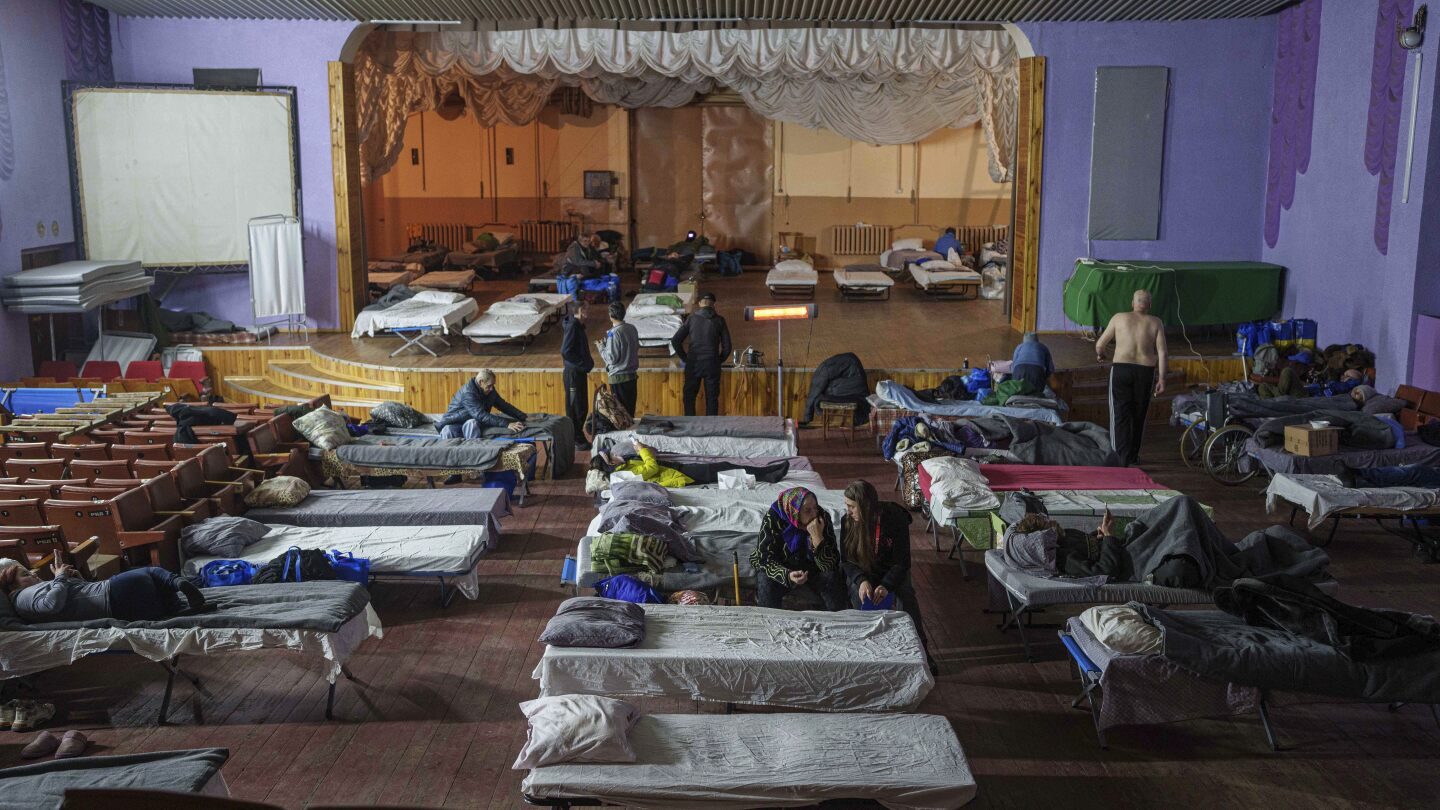
The attack on the boarding school in Kursk occurred on a seemingly ordinary day, turning into a nightmare for students, faculty, and the community. Reports indicate that the attack involved a barrage of shelling that targeted the school premises, leading to significant casualties among students and staff. Eyewitness accounts painted a harrowing picture, with many describing the chaos and panic that ensued as families rushed to find their loved ones.
In the wake of this tragedy, Russian officials were quick to lay blame at the feet of Ukraine, suggesting that it was a deliberate act of aggression aimed at destabilizing the region further. The Kremlin has been adamant in its assertion that Ukrainian forces are responsible, citing intelligence reports and military analyses as the basis for its claims.
Ukraine’s Response: Rejection of Accusations
On the other side of the conflict, Ukraine has vehemently denied any involvement in the attack. Ukrainian officials have labeled the accusations as a baseless attempt by Russia to shift blame and paint themselves as victims in an ongoing war that has claimed countless lives. They argue that the real aggressor is Russia, which has consistently targeted civilian infrastructure in Ukraine throughout the duration of the conflict.
Ukrainian President Volodymyr Zelenskyy addressed the accusations in a statement, emphasizing that Ukraine does not engage in attacks on civilian sites and stressing the importance of protecting innocent lives. His administration has called for an independent investigation into the incident, seeking international support to uncover the truth behind the attack.
The Broader Implications of the Attack
This incident in Kursk has the potential to reshape the narrative surrounding the ongoing conflict between Russia and Ukraine. As both sides engage in a war of words, the situation raises significant questions about the future of regional stability and international relations.
- Increasing Hostility: The exchange of accusations is likely to fuel further hostility between the two nations. With both sides now entrenched in their positions, the prospect of diplomatic resolutions seems increasingly distant.
- International Reactions: The global community is closely monitoring the situation, with many nations expressing concern over the safety of civilians in conflict zones. Calls for restraint and dialogue are echoing through diplomatic channels, but the effectiveness of these pleas remains to be seen.
- Potential for Escalation: Incidents like the Kursk school attack can serve as flashpoints for wider military engagements. As tensions escalate, the risk of further violence increases, potentially drawing in international actors and complicating the conflict even more.
History of Conflict: A Brief Overview
To understand the significance of the current tensions, it’s essential to revisit the historical context of the Russia-Ukraine conflict. The roots of this struggle can be traced back to 2014 when Russia annexed Crimea following Ukraine’s Euromaidan protests and the ousting of pro-Russian President Viktor Yanukovych. This event sparked a prolonged conflict in Eastern Ukraine, where Russian-backed separatists declared independence in several regions.
Since then, the war has resulted in thousands of deaths, displacement of civilians, and persistent instability in the region. Each escalation, including military confrontations, cyberattacks, and propaganda wars, has further entrenched the divisions between the two nations.
The Role of Media and Misinformation
In today’s digital age, the role of media and misinformation cannot be understated. Both Russia and Ukraine utilize various platforms to disseminate their narratives, often leading to confusion and conflicting reports. The Kursk school attack serves as a prime example of how quickly information can be weaponized in the context of war.
Social media platforms are rife with theories and accusations, complicating the public’s understanding of the truth. Both nations have accused each other of spreading false narratives to gain international sympathy and support. This phenomenon underscores the need for critical media literacy among the global audience.
Path Forward: Seeking Peace and Resolution
As the situation continues to evolve, the urgency for a peaceful resolution becomes paramount. Both Russia and Ukraine must recognize the devastating consequences of their actions on civilian lives and the broader geopolitical landscape. The international community, including organizations like the United Nations, has a crucial role to play in facilitating dialogue and promoting accountability.
- Diplomatic Engagement: Renewed efforts for diplomatic engagement could pave the way for de-escalation. Open channels of communication should be prioritized to address grievances and seek common ground.
- Humanitarian Aid: Immediate humanitarian aid is essential for those affected by the conflict. Organizations should mobilize resources to provide medical assistance, shelter, and support for displaced individuals.
- Independent Investigations: An independent investigation into the Kursk school attack, as called for by Ukraine, could help establish the facts and accountability, serving as a foundation for rebuilding trust.
Conclusion
The exchange of accusations over the Kursk school attack highlights the fragility of peace in the region and the complexities of the Russia-Ukraine conflict. As both nations navigate this turbulent period, the focus must shift towards finding a resolution that prioritizes human lives and regional stability. The world watches closely, hoping for a future where dialogue triumphs over violence, and the scars of war can begin to heal.
See more ABC News Feed