Unveiling the Untold Stories: Adam Wishart’s Unique Perspective on 7/7
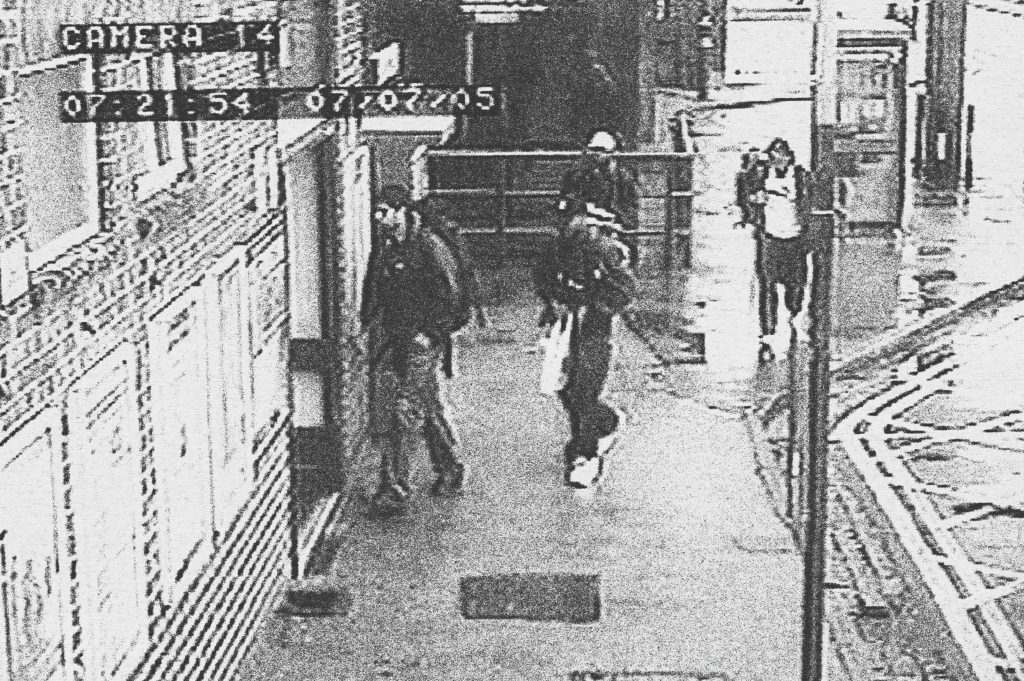
As we approach the 20th anniversary of the tragic London bombings on July 7, 2005, filmmaker Adam Wishart is set to unveil his latest documentary that promises to offer a fresh perspective on this pivotal moment in history. Titled “7/7: The Untold Stories,” Wishart’s documentary contrasts sharply with the narrative presented in “9/11: Inside The President’s War Room,” focusing on the human experiences and untold stories that emerged from the chaos of that fateful day.
Understanding the Context of 7/7
The London bombings, which killed 52 people and injured hundreds more, marked a significant turning point in the United Kingdom’s history. The attacks were carried out by four suicide bombers on the city’s public transport system during the morning rush hour. This shocking event not only altered the lives of countless individuals but also reshaped public perceptions of security, terrorism, and community resilience in the UK.
Adam Wishart, known for his insightful documentaries, has approached the subject of 7/7 with a unique lens. His goal is to delve deeper into the stories of those who were directly affected by the bombings, providing a platform for their voices to be heard. This contrasts with the more political and crisis-management-focused perspective seen in many other documentaries, including the recently released “9/11: Inside The President’s War Room,” which centers around the U.S. response to the September 11 attacks.
Wishart’s Unique Approach to Storytelling
In “7/7: The Untold Stories,” Wishart emphasizes the personal narratives that often get lost in larger political discourses. He believes that understanding the human element is crucial for comprehending the full impact of such tragedies. Here are some of the key aspects of his approach:
- Personal Narratives: Wishart seeks to tell the stories of survivors, first responders, and families affected by the bombings. By focusing on individual experiences, he aims to highlight the resilience and strength of the human spirit in the face of adversity.
- Community Response: The documentary also explores how communities came together in the aftermath of the attacks. Wishart showcases acts of kindness, solidarity, and support that emerged, demonstrating the power of community in healing.
- Historical Context: While focusing on personal stories, Wishart places these narratives within the broader historical context of terrorism in the UK and the global implications of such events.
Contrasting Narratives: 7/7 vs. 9/11
The juxtaposition of “7/7: The Untold Stories” with “9/11: Inside The President’s War Room” raises interesting questions about how different countries and cultures respond to acts of terrorism. While both documentaries depict tragic events, their narratives diverge significantly:
- Political vs. Human Perspectives: “9/11: Inside The President’s War Room” focuses on the immediate political implications and decision-making processes that followed the attacks. In contrast, Wishart’s documentary offers a more human-centric view, emphasizing empathy and personal connections.
- Scope of Impact: The scale of 9/11 was monumental, leading to significant global policy changes, including wars in Afghanistan and Iraq. While 7/7 also had profound implications for UK security policies, the emotional and community-driven responses are at the forefront of Wishart’s film.
- Media Representations: The media coverage surrounding both events shaped public perception differently. Wishart aims to challenge the often sensationalized narratives by showcasing authentic stories, providing a more nuanced understanding of the aftermath.
What We Can Learn from 7/7
As Wishart prepares to release his documentary, he hopes that audiences will take away several key lessons from the events of 7/7:
- Resilience in the Face of Tragedy: The stories of survival and recovery serve as powerful reminders of the human capacity to overcome adversity.
- The Importance of Community: The solidarity shown by Londoners and beyond illustrates how collective action can foster healing and rebuild trust in the aftermath of crisis.
- Understanding Terrorism: By highlighting personal experiences, Wishart encourages viewers to consider the broader implications of terrorism and the importance of empathy in addressing such global issues.
Bridging the Gap Between History and Humanity
Adam Wishart’s documentary represents a crucial effort to bridge the gap between historical events and the human experiences that shape them. By focusing on the untold stories of 7/7, he not only pays tribute to the victims but also invites the audience to reflect on the ongoing impact of terrorism in contemporary society.
As we mark the 20th anniversary of the London bombings, it is vital to remember the individuals whose lives were irrevocably changed that day. Wishart’s unique perspective offers a refreshing approach that seeks to illuminate these narratives, fostering a deeper understanding of resilience, community, and humanity.
Conclusion
Adam Wishart’s “7/7: The Untold Stories” promises to be a poignant exploration of one of the UK’s darkest days, shedding light on the personal experiences that often go unheard. By contrasting it with the more politically driven narratives of events like 9/11, Wishart is paving the way for a new understanding of how we can learn from the past. As audiences prepare to engage with these stories, they are reminded of the enduring strength of the human spirit in overcoming tragedy.
See more ABC News Feed