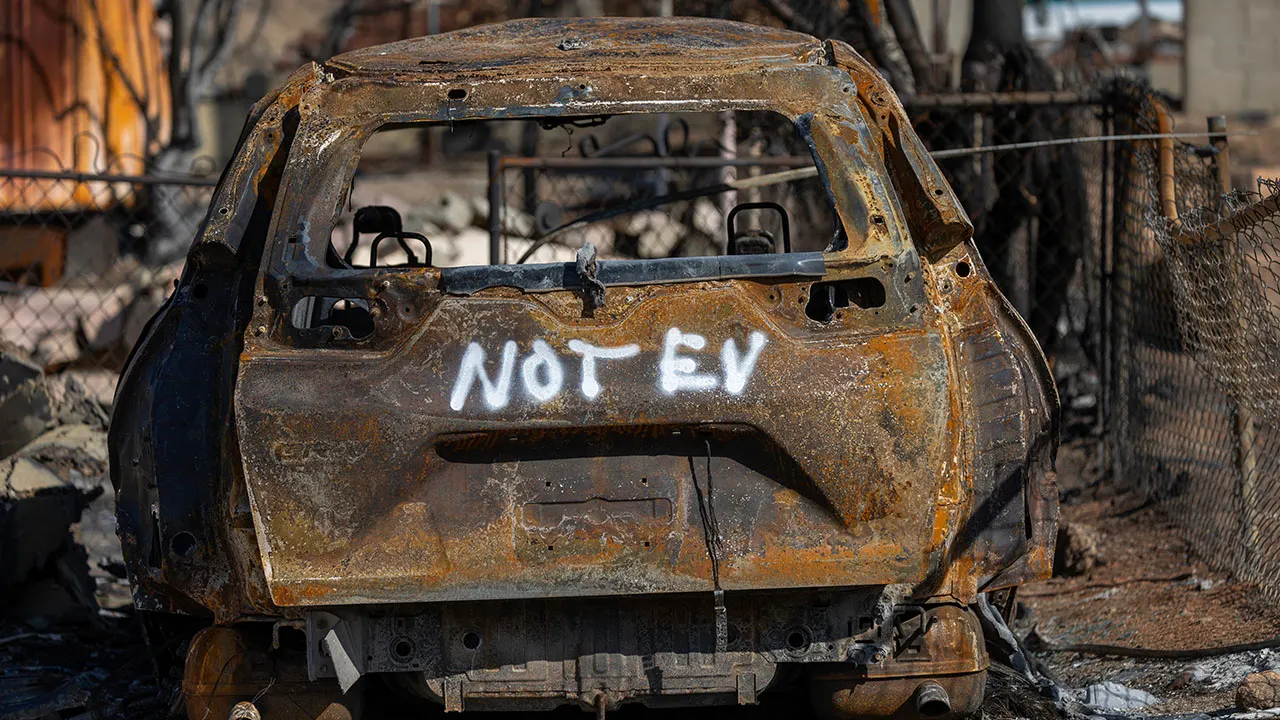
Los Angeles Fire Cleanup: A Growing Crisis with EV Batteries
In the aftermath of devastating wildfires that have swept through California, Los Angeles is grappling with a complex and unprecedented challenge: the cleanup of areas impacted by fires, compounded by the increasing prevalence of electric vehicles (EVs) equipped with lithium-ion batteries. While these vehicles represent a significant advancement in sustainable transportation, they also pose unique hazards, particularly in the event of fire. This article delves into the challenges of Los Angeles fire cleanup in light of the rising EV battery crisis, examining safety protocols, environmental impacts, and what lies ahead for the city.
The Rise of Electric Vehicles in Los Angeles
Los Angeles has long been at the forefront of the electric vehicle revolution, with the city aiming to reduce air pollution and greenhouse gas emissions. Initiatives like California’s mandate for zero-emission vehicles have led to a surge in EV adoption. In fact, as of 2023, nearly 20% of new vehicles sold in California are electric, a trend that is expected to continue.
While this shift is commendable, it brings forth a host of challenges, especially when wildfires strike. The lithium-ion batteries that power these vehicles, while efficient and powerful, can become dangerous when exposed to extreme heat or flames.
Understanding the Hazards of Lithium-Ion Batteries
Lithium-ion batteries are known for their ability to store large amounts of energy, making them ideal for electric vehicles. However, they can also present significant risks during fires:
- Thermal Runaway: When exposed to high temperatures, lithium-ion batteries can enter a state known as thermal runaway, leading to rapid overheating and potential explosions.
- Toxic Fumes: Burning lithium-ion batteries release hazardous gases, including hydrogen fluoride and other toxic substances that can pose serious health risks to firefighters and cleanup crews.
- Re-ignition Risk: Even after extinguishing a fire, lithium-ion batteries can reignite, complicating cleanup efforts.
These factors necessitate specialized responses and protocols during fire cleanup, which are not always in place in the face of an emergency.
Challenges Faced During Cleanup Efforts
The cleanup process in Los Angeles following wildfires is multifaceted and involves various stakeholders, including local government, environmental agencies, and fire departments. However, the presence of damaged or burnt electric vehicles adds a layer of complexity to an already challenging situation.
Safety Protocols and Training
One of the primary challenges in Los Angeles fire cleanup is ensuring the safety of personnel involved in the recovery efforts. Firefighters and cleanup crews must be trained to recognize the signs of compromised lithium-ion batteries and to handle them safely. This training is essential for:
- Identifying battery hazards.
- Implementing proper extinguishing techniques.
- Utilizing protective gear to prevent exposure to toxic fumes.
In the absence of adequate training, the risk of injury or health complications increases significantly. Local authorities are now prioritizing the development of specialized training programs to address these issues.
Environmental Concerns
Beyond safety, the environmental impact of lithium-ion batteries during fire cleanup cannot be overlooked. As these batteries burn, they can release harmful materials into the soil and water systems. The potential for soil contamination and water pollution poses a long-term risk to the environment and public health.
Authorities are now tasked with not just removing debris but also ensuring that any toxic residues are handled correctly to prevent further environmental degradation. This requires a coordinated effort between environmental agencies and local governments.
Innovative Solutions and Technologies
Given the challenges posed by the rising number of electric vehicles in the wake of wildfires, innovative solutions are being developed to address the crisis effectively. Some of these solutions include:
- Advanced Firefighting Techniques: Fire departments are adopting new techniques and tools tailored for dealing with lithium-ion battery fires, such as specialized extinguishing agents that can mitigate the risks.
- Battery Recycling Programs: Implementing effective recycling programs for damaged batteries can help reduce the environmental impact and promote sustainability in the EV sector.
- Public Awareness Campaigns: Increasing awareness about the risks associated with EV batteries among the general public can lead to more proactive measures in preventing fire incidents.
The Road Ahead: A Call for Comprehensive Strategies
As Los Angeles continues to navigate the aftermath of wildfires and the challenges posed by electric vehicle batteries, it is clear that a comprehensive approach is needed. This includes:
- Enhancing safety training for first responders and cleanup crews.
- Developing robust environmental protection strategies during cleanup.
- Encouraging collaboration between government, industry, and environmental organizations to create effective policies.
Furthermore, with the rapid evolution of electric vehicle technology, ongoing research into safer battery materials and designs can help mitigate risks in the future. The urgency of these efforts is underscored by the reality that wildfires are becoming more frequent and severe due to climate change.
Conclusion
Los Angeles stands at a crossroads as it faces the dual challenge of fire recovery and the management of electric vehicle battery risks. While the transition to electric vehicles is a positive step towards a sustainable future, it is crucial to address the safety and environmental concerns that accompany this transition. By prioritizing training, developing innovative solutions, and fostering collaboration, Los Angeles can navigate the complexities of this unprecedented EV battery crisis and set a precedent for other cities facing similar challenges.
In summary, the road to recovery is fraught with difficulties, but with a concerted effort, Los Angeles can emerge stronger and more resilient in the face of adversity.
See more ABC News Feed


