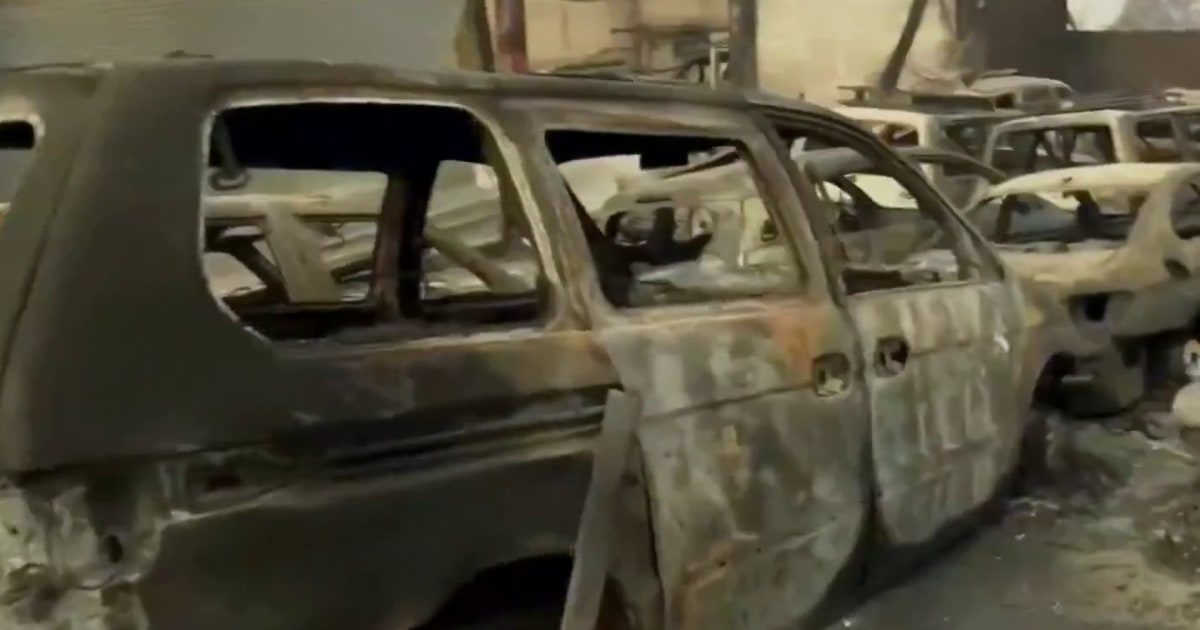
Unraveling the Inferno: The Recent Fires in Los Angeles
The recent catastrophic blaze that swept through Los Angeles has left a profound mark on the community, showcasing both the ferocity of nature and the resilience of the human spirit. As the flames ravaged through neighborhoods, they not only consumed homes but also shattered lives and disrupted the fabric of the community. In this article, we will explore the causes and consequences of this disaster, the ongoing recovery efforts, and the lessons learned that may help mitigate future risks.
Understanding the Causes of the Catastrophic Blaze
Los Angeles is no stranger to wildfires, largely due to its Mediterranean climate characterized by dry summers and wet winters. However, the recent inferno can be attributed to a confluence of factors:
- Climate Change: Rising temperatures and prolonged drought conditions have made the region increasingly vulnerable to wildfires. According to studies from the Intergovernmental Panel on Climate Change (IPCC), the frequency and intensity of wildfires are expected to increase as global temperatures rise.
- Human Activity: Urban development in fire-prone areas has led to more structures being built in close proximity to natural landscapes. This increases the risk of wildfires spreading quickly into residential areas.
- Natural Conditions: The Santa Ana winds, notorious for their ability to fan flames, played a significant role in the rapid spread of the fire, pushing embers into new areas and complicating firefighting efforts.
The Immediate Impact on Communities
The immediate aftermath of the fires was devastating. Thousands of residents were forced to evacuate their homes, leaving behind cherished belongings and family pets. The following points highlight the impact on communities:
- Displacement: Thousands of families were displaced, with shelters quickly filling up and many seeking refuge with friends or relatives.
- Loss of Property: Homes, businesses, and vital infrastructure were reduced to ashes, leading to significant financial losses and a long road to recovery.
- Environmental Damage: The fires not only destroyed vegetation but also led to soil erosion and air pollution, affecting air quality for miles around.
Recovery Efforts Underway
In the wake of the catastrophic blaze, recovery efforts have been extensive and multi-faceted. Local, state, and federal agencies have mobilized resources to assist affected communities:
- Emergency Services: Firefighters worked tirelessly to contain the blaze, and search and rescue teams were deployed to ensure that no one was left behind.
- Federal Assistance: The Federal Emergency Management Agency (FEMA) has provided aid to help families rebuild their lives and homes, offering financial assistance and resources for recovery.
- Community Support: Local organizations and volunteers have stepped up to provide food, clothing, and emotional support to those affected, demonstrating the power of community in times of crisis.
Rebuilding Lives and Communities
The process of rebuilding is not just about physical structures; it’s also about restoring lives and re-establishing community bonds. Here are some essential aspects of this recovery phase:
Restoration of Services
Efforts to restore essential services such as electricity, water, and sanitation have been prioritized. Utility companies have been working around the clock to restore services to affected areas, ensuring that families can return to a semblance of normalcy.
Financial Assistance Programs
Government and non-profit organizations are providing financial support through grants and low-interest loans, helping families rebuild their homes and replace lost belongings. These programs are crucial in alleviating the financial burden caused by the disaster.
Mental Health Support
The psychological impact of such a disaster can be profound. Many organizations are offering mental health resources to help individuals cope with grief, trauma, and stress. Support groups and counseling services play an essential role in helping residents process their experiences.
Lessons Learned for Future Preparedness
The catastrophic blaze in Los Angeles has underscored the need for improved fire preparedness and response strategies. Some key lessons learned include:
- Enhanced Firebreaks: Creating and maintaining firebreaks can significantly slow the spread of wildfires, giving firefighters a better chance to control the flames.
- Community Education: Increasing public awareness and education about fire safety and emergency preparedness can empower residents to take proactive measures to protect their homes.
- Strategic Urban Planning: Incorporating fire-resilient designs in new developments and retrofitting older structures can reduce vulnerability to wildfires.
Looking Ahead: A Resilient Future
While the scars of the catastrophic blaze are still fresh, the resilience of the Los Angeles community is evident. People are coming together, leaning on one another, and finding strength in unity. As recovery efforts progress, there is a collective hope that the lessons learned will lead to a more prepared and resilient future.
In conclusion, the recent fires in Los Angeles have served as a stark reminder of the natural threats we face, but they have also highlighted the indomitable spirit of the community. By coming together, supporting one another, and learning from the past, Los Angeles can emerge from this tragedy not just as a city rebuilt, but as a community strengthened.
See more ABC News Feed