Reviving Los Ángeles: The Ambitious Rebuilding Effort After the Blaze
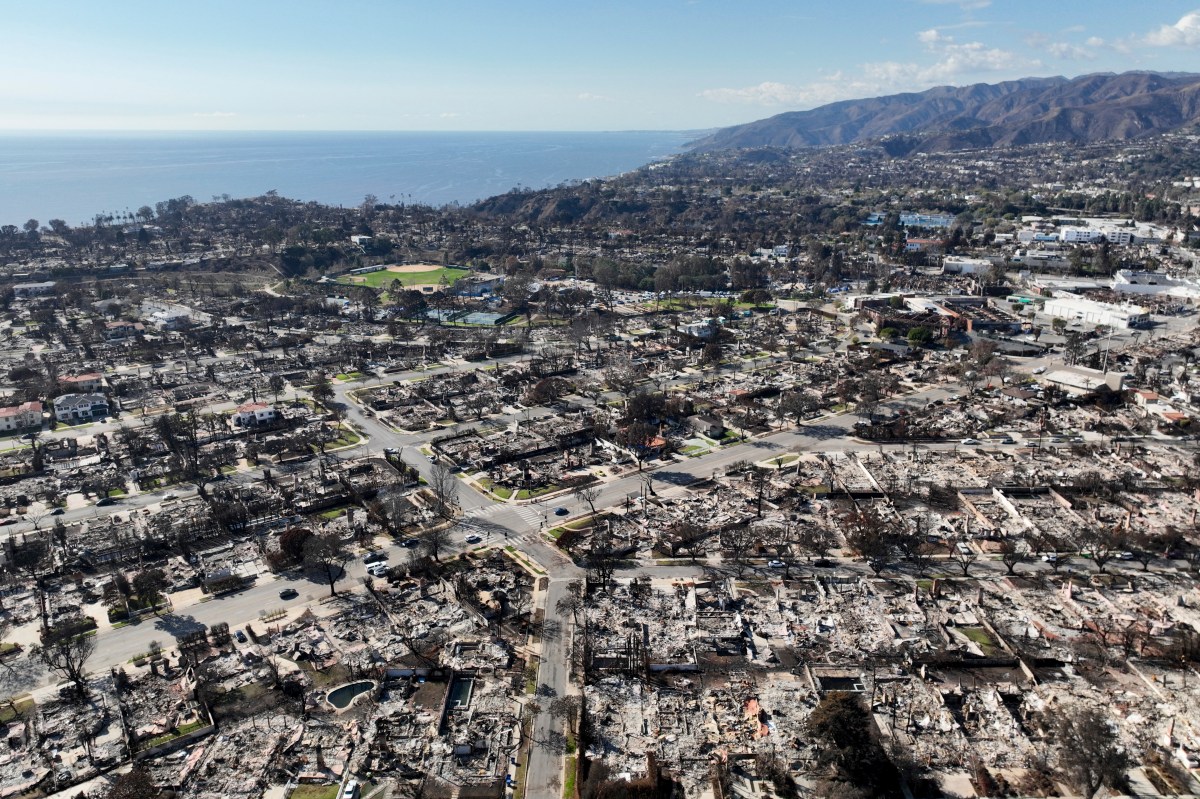
Los Ángeles has launched a multi-billion-dollar reconstruction project following catastrophic wildfires that destroyed over 1,500 structures and displaced thousands. City officials, architects, and community leaders are collaborating to rebuild neighborhoods with fire-resistant materials, sustainable infrastructure, and inclusive public spaces. The initiative, expected to take five years, prioritizes both physical restoration and the revival of community bonds shattered by the disaster.
The Scale of Destruction and Immediate Response
The 2023 wildfires scorched 78,000 acres across Los Ángeles County, marking the most destructive blaze in the region’s history. According to the California Department of Forestry and Fire Protection, the fires caused:
- $3.2 billion in property damage
- 15,000 displaced residents
- 47 commercial districts affected
“We’re not just rebuilding structures—we’re reimagining how Los Ángeles can become more resilient,” said Mayor Karen Bass during a press conference. The city has allocated $2.1 billion from federal disaster relief funds and state emergency budgets to kickstart the project.
Innovative Urban Planning Strategies
Architects are employing cutting-edge designs to mitigate future fire risks while preserving the city’s cultural identity. The reconstruction blueprint includes:
- Fire-resistant composite materials for all new constructions
- Expanded green belts acting as natural firebreaks
- Underground power lines in high-risk zones
Urban planner Dr. Elena Rodriguez notes, “We’re implementing lessons from Phoenix and Melbourne—cities that successfully rebuilt after similar disasters. The key is balancing safety with maintaining neighborhood character.” Controversy has emerged over proposed density increases in some areas, with some residents fearing it might alter the city’s iconic suburban feel.
Community-Centric Recovery Efforts
Beyond physical infrastructure, the project emphasizes psychosocial recovery. The city has established 12 community hubs offering:
- Mental health services
- Job training programs
- Neighborhood planning workshops
Local activist Jamal Williams observes, “The fires didn’t discriminate—they hit rich and poor areas alike. This recovery must do the same.” However, some advocacy groups argue low-income neighborhoods are receiving fewer resources per capita than affluent areas.
Economic and Environmental Considerations
The rebuilding effort has created 8,000 construction jobs, boosting the local economy. Yet environmentalists warn against rushed development. “We must ensure new construction doesn’t exacerbate water shortages or heat island effects,” cautions Sierra Club representative Maria Chen. The city has mandated that all new buildings meet LEED Gold sustainability standards.
Key economic impacts include:
- 15% increase in local construction employment
- Projected $4.8 billion GDP boost over five years
- New tax incentives for businesses returning to rebuilt areas
The Road Ahead: Challenges and Opportunities
While progress is visible in some neighborhoods, significant hurdles remain. Insurance disputes have delayed rebuilding for 22% of affected property owners. The city is establishing a mediation program to accelerate claims processing.
Looking forward, officials aim to complete 40% of reconstruction within two years. “This isn’t just about restoring what was lost,” says Mayor Bass. “It’s about creating a Los Ángeles that’s safer, more equitable, and more connected than before the fires.”
Residents can track rebuilding progress through the city’s new online portal and participate in community planning sessions held monthly. As cranes dot the skyline and neighborhood meetings buzz with ideas, Los Ángeles is writing a remarkable chapter in urban renewal—one that could set a global precedent for post-disaster recovery.
See more ABC News Feed