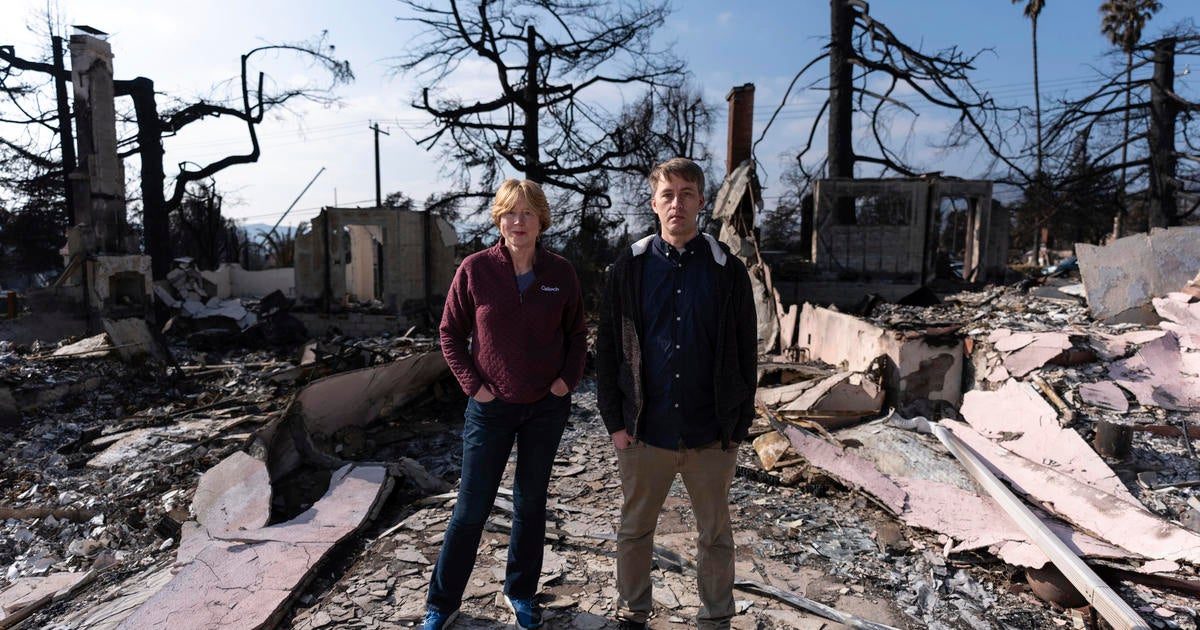
In the wake of the catastrophic wildfires that have swept through Los Angeles over recent years, homeowners are finding themselves in a precarious position as they contemplate the daunting task of rebuilding. The interplay between insurance coverage and the rebuilding process creates a complex landscape, often revealing stark disparities among neighbors. As communities grapple with the fallout of these disasters, the concept of insurance gaps emerges as a critical factor influencing recovery and resilience.
The Wildfire Landscape: A Brief Overview
Wildfires in California have become increasingly frequent and intense, fueled by factors such as climate change, prolonged droughts, and urban development encroaching upon fire-prone areas. In Los Angeles, the devastating effects of these fires have not only ravaged homes but have also upended lives. The aftermath often leaves residents questioning their safety, their community’s future, and most importantly, the adequacy of their insurance coverage.
Understanding Insurance Gaps
Insurance gaps refer to the discrepancies in coverage that can leave homeowners vulnerable during the rebuilding process. These gaps can arise from several factors:
- Policy Limitations: Many homeowners purchase insurance policies that may not fully cover the cost of rebuilding their homes, especially in areas where property values have soared.
- Exclusions: Some policies may exclude certain types of disasters or specific damages, leaving homeowners without crucial financial support.
- Underinsurance: Homeowners may underestimate the value of their property and belongings, leading to inadequate coverage.
When wildfires strike, these gaps can lead to significant financial hardship, forcing residents to navigate a complicated rebuilding process often with limited resources.
Real-Life Impacts of Insurance Gaps
The personal stories of homeowners affected by the wildfires illustrate the real and painful consequences of insurance gaps. Consider the case of Jane, a homeowner in the San Fernando Valley. After losing her home to a wildfire, she discovered that her insurance policy only covered 75% of the replacement cost. With rising construction costs and limited funds, Jane faced the possibility of not being able to rebuild her home as it once stood.
Similarly, Tom, a retiree living in the outskirts of Los Angeles, found that his policy had a significant exclusion for wildfire-related damages. As he navigated the complex claims process, he realized that he would have to rely on savings that were intended for his retirement, plunging him into financial uncertainty.
Community Resilience and Insurance Disparities
The varying levels of insurance coverage among neighbors can create an uneven landscape for recovery. Communities where most homeowners are underinsured may struggle significantly compared to those where residents have adequate coverage. This disparity can lead to:
- Social Fragmentation: As some families rebuild while others remain in temporary housing or face financial ruin, community cohesion can fray.
- Economic Strain: Local businesses may suffer as residents who are unable to return home reduce their spending in the area.
- Increased Demand for Support Services: The need for community aid and support services often rises, putting additional pressure on local resources.
These challenges highlight the need for a systemic approach to building community resilience that addresses not only the immediate aftermath of wildfires but also the long-term implications of insurance gaps.
Strategies for Homeowners: Closing the Gaps
Homeowners must take proactive steps to mitigate the risks posed by insurance gaps. Here are several strategies to consider:
- Conduct Regular Policy Reviews: Homeowners should periodically review their insurance policies to ensure that coverage limits reflect the current market value of their property and possessions.
- Consult with Insurance Professionals: Engaging with insurance agents who specialize in fire insurance can provide valuable insights into the best coverage options available.
- Explore Additional Coverage: Homeowners may want to consider additional policies or riders that specifically cover wildfires or include higher limits for personal property.
Local Government and Policy Changes
Addressing the issue of insurance gaps requires action beyond individual homeowners. Local governments and policymakers play a crucial role in shaping the insurance landscape following wildfires. Potential avenues for reform include:
- Incentivizing Comprehensive Coverage: Governments can work with insurance companies to create incentives for homeowners to obtain comprehensive wildfire coverage.
- Implementing Building Codes: Stricter building codes that promote fire-resistant materials and designs can reduce the risk of loss and potentially lower insurance premiums.
- Providing Educational Resources: Local agencies can offer workshops and materials to educate homeowners about the importance of adequate insurance coverage and how to navigate the claims process.
Looking Forward: Building a Resilient Future
The aftermath of the wildfires in Los Angeles serves as a poignant reminder of the complexities surrounding insurance and rebuilding. As homeowners navigate the chaos, addressing insurance gaps is paramount to fostering community resilience. By taking proactive steps and advocating for systemic changes, residents can work towards a future where recovery from natural disasters is equitable and sustainable.
Ultimately, the journey of rebuilding after wildfires is not just about restoring homes; it’s about restoring hope and community. As neighbors stand together, sharing resources and support, they can pave the way for a stronger, more resilient Los Angeles.
See more ABC News Feed


