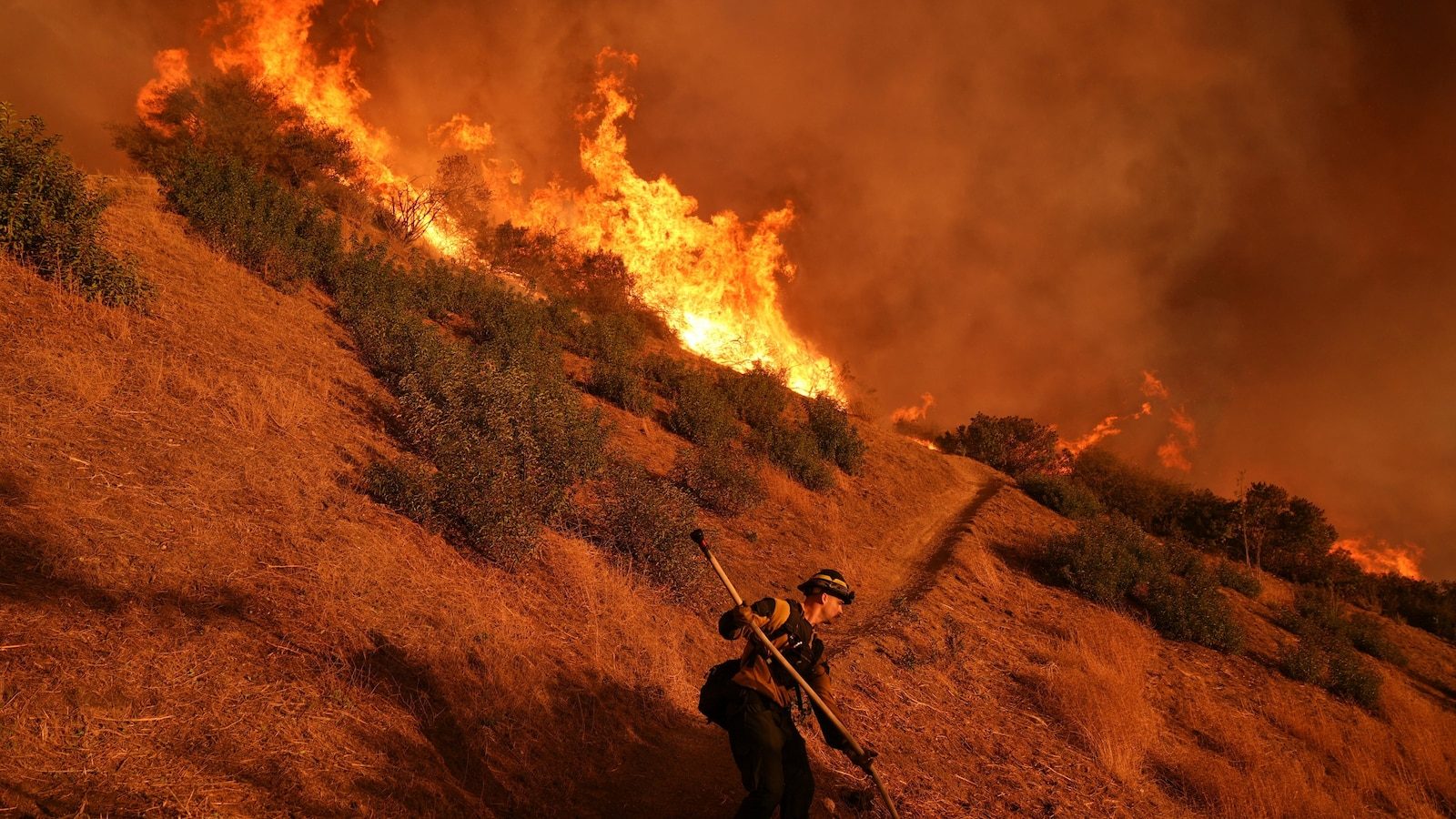
Rising Flames: The Unyielding Battle Against Los Angeles Wildfires
As the sun sets over the sprawling landscape of Los Angeles, the flickering shadows cast by the rising flames tell a story of struggle and resilience. The city has faced an unprecedented surge in wildfires, ignited by a combination of fierce winds, dry conditions, and the ever-present threat of climate change. This ongoing crisis not only endangers lives but also jeopardizes the cultural landmarks that define Los Angeles, raising urgent questions about the city’s ability to withstand nature’s fury.
The Current Wildfire Crisis
The recent wildfires in Los Angeles have brought with them devastating consequences. With winds gusting over 40 miles per hour, firefighters are battling not only the flames but also the unpredictable shifts in wind that can rapidly change the course of a fire. These conditions lead to a higher death toll and increased property damage, leaving communities in distress.
- Human Toll: The death toll has tragically climbed as wildfires continue to rage. Families are torn apart, and communities are left grappling with loss.
- Cultural Destruction: Iconic sites such as Griffith Park and the historic Hollywood Sign are under threat, raising concerns about the preservation of Los Angeles’ rich cultural heritage.
- Environmental Impact: The wildfires contribute to air pollution, affecting not just those living in proximity to the flames but also extending far beyond the immediate area.
Understanding the Causes and Challenges
To effectively tackle the wildfire crisis, it’s essential to understand the underlying causes. Several factors contribute to the increasing frequency and intensity of wildfires in Los Angeles:
- Climate Change: Rising temperatures and prolonged droughts create ideal conditions for wildfires. The changing climate has made it more difficult for the region to recover from previous fires, leading to a cycle of destruction.
- Urban Development: As the city expands, homes are built closer to wildland areas, increasing the risk of wildfires encroaching on residential neighborhoods.
- Vegetation Management: Accumulated dry brush and dead trees serve as fuel for fires. Effective vegetation management is crucial in mitigating fire risks.
The Heroic Efforts of Firefighters
In the midst of rising flames and chaos, the bravery of firefighters shines brightly. They work tirelessly, often putting their lives on the line to protect homes and lives. Their strategies include:
- Firebreaks: Creating firebreaks—strips of land cleared of vegetation—helps slow the spread of wildfires.
- Aerial Support: Aircraft drop water and fire retardants from above, providing critical support to ground crews fighting the flames.
- Community Engagement: Firefighters often engage with the community, providing education on fire safety and evacuation procedures.
Despite their valiant efforts, the unpredictable nature of wildfires poses a constant challenge. Firefighters must adapt quickly to changing conditions and make split-second decisions to ensure safety.
The Role of Technology in Fighting Wildfires
In recent years, technology has played an increasingly important role in wildfire management. Advanced tools and techniques have transformed how firefighters respond to and manage these disasters:
- Predictive Modeling: Satellite imagery and modeling software help predict fire behavior, allowing for better planning and resource allocation.
- Real-Time Data Sharing: Mobile apps and communication tools enable faster sharing of information among firefighting teams, improving coordination.
- Drones: Drones equipped with thermal imaging can identify hotspots and assess damage from above, providing critical intelligence to ground crews.
Community Resilience and Preparedness
As wildfires continue to threaten the region, community resilience becomes paramount. Local organizations and government agencies are working to prepare residents for the possibility of evacuations and fire emergencies:
- Evacuation Plans: City planners are developing clear evacuation routes and communication strategies to ensure residents can safely leave if necessary.
- Fire Safety Education: Workshops and informational sessions help residents understand how to create defensible spaces around their homes, reducing fire risks.
- Support Networks: Community groups are forming to assist those affected by wildfires, providing resources, emotional support, and recovery assistance.
Looking Ahead: The Future of Wildfire Management
The fight against wildfires in Los Angeles is ongoing, but there is hope. As awareness grows and technology advances, strategies for prevention, response, and recovery continue to evolve. Some potential future directions include:
- Increased Funding for Fire Prevention: Allocating more resources toward fire prevention initiatives can significantly reduce the risks associated with wildfires.
- Sustainable Urban Planning: Future developments must consider fire risk, incorporating designs that minimize potential fire hazards.
- Community-Based Approaches: Engaging local residents in wildfire risk reduction efforts fosters a sense of ownership and responsibility.
In conclusion, the rising flames of the Los Angeles wildfires serve as a stark reminder of nature’s power and unpredictability. However, through heroic firefighting efforts, technological advancements, and community resilience, there is a path forward. With continued dedication and innovation, Los Angeles can emerge stronger from this ongoing crisis, safeguarding both its residents and its cultural heritage against the unyielding threat of wildfires.
See more ABC News Feed