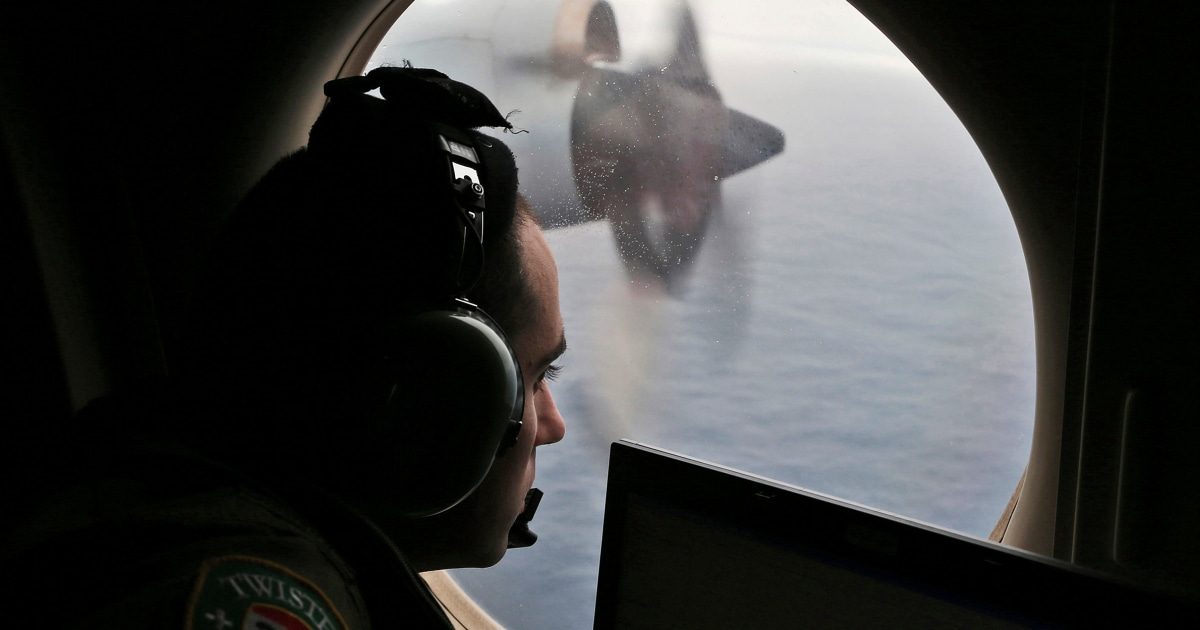
Renewed Hopes: The Search for Malaysia Airlines Flight MH370 Resumes After 11 Years
After more than a decade of speculation and heartache, renewed hopes are emerging as the search for Malaysia Airlines Flight MH370 resumes. The tragic disappearance of the Boeing 777 on March 8, 2014, has left families, investigators, and aviation experts grappling with unanswered questions. However, as technology advances and new leads surface, the quest to uncover the truth behind this aviation mystery is taking a fresh turn.
Background: The Disappearance of MH370
On that fateful day, Flight MH370 took off from Kuala Lumpur International Airport en route to Beijing. It was carrying 239 passengers and crew members when it mysteriously vanished from radar less than an hour into its flight. Despite extensive search efforts in the Indian Ocean, which spanned several years and involved multiple countries, only a few pieces of wreckage have been recovered, leaving families in anguish and investigators perplexed.
Why the Search Matters
The search for Malaysia Airlines Flight MH370 is not just about locating the aircraft; it’s about providing closure to the families of those on board. The emotional toll of uncertainty is immense, and many families have devoted years to finding answers. Furthermore, understanding what happened on that flight is crucial for improving aviation safety and preventing similar tragedies in the future.
The Resumption of the Search
In recent months, renewed hopes have emerged as private companies and governments have expressed interest in reigniting the search for MH370. With the advancement of technology, including deep-sea submersibles and sophisticated sonar equipment, the potential to discover the aircraft’s final resting place has never been greater.
New Technologies at Play
New technologies are changing the landscape of underwater exploration. Some of the advancements include:
- Autonomous Underwater Vehicles (AUVs): These unmanned submarines can cover large areas of the ocean floor with precision, equipped with advanced sonar systems that can detect smaller debris.
- Machine Learning Algorithms: Enhanced data analysis techniques allow researchers to sift through immense amounts of satellite data, identifying patterns that may lead to the aircraft’s location.
- Improved Oceanographic Models: Understanding ocean currents and conditions has advanced significantly, which can inform search strategies and target potential debris fields more accurately.
New Leads and Theories
In addition to technological advancements, new leads and theories have emerged over the years, sparking renewed interest in the case. Some of these include:
- Re-evaluation of Satellite Data: Experts have revisited satellite communications between MH370 and Inmarsat, analyzing the “handshakes” that may provide clues about the plane’s flight path.
- Witness Accounts: Reports of unusual sightings and sounds during the time of the flight have prompted investigators to reconsider unexplored areas.
- Environmental Factors: Changes in ocean currents and debris drift patterns have led to new hypotheses about where the wreckage might be located.
Families and Their Ongoing Struggles
For the families of the passengers and crew members on MH370, the search for answers has been an emotional rollercoaster. Many have turned to advocacy groups and support networks to help cope with their loss and push for renewed search efforts. Their perseverance highlights the human element behind this tragedy.
The Role of Advocacy Groups
Several organizations have emerged to support the families of MH370 victims, advocating for transparency and continued investigation into the disappearance. These groups often engage with government officials and aviation experts to ensure that the search remains a priority. Some key organizations include:
- Voice370: Founded by family members of passengers, this group aims to keep the memory of their loved ones alive and push for accountability in the search efforts.
- MH370 Independent Group: This group consists of aviation experts and enthusiasts dedicated to analyzing data and proposing new search strategies.
The Global Impact of the Disappearance
The disappearance of MH370 has had far-reaching consequences on the aviation industry and international policies regarding flight safety. It has sparked discussions around:
- Tracking Technology: The incident has led to calls for improved tracking systems for commercial aircraft, ensuring that flights remain visible even when they go off course.
- Search and Rescue Protocols: The need for standardized international protocols in search and rescue operations has become increasingly clear, to facilitate quicker responses in future emergencies.
Aviation Safety Reforms
In response to the lessons learned from MH370, the International Civil Aviation Organization (ICAO) has initiated reforms aimed at enhancing safety and tracking measures. These reforms include:
- Implementing requirements for real-time tracking of aircraft.
- Enhancing communication protocols for flight crews and air traffic controllers.
Looking Ahead: A Collective Effort
The renewed search for Malaysia Airlines Flight MH370 embodies not just technological advancements but also a collective effort from families, investigators, and the aviation community. The hope to find answers remains strong, as each new piece of information can potentially illuminate the path forward.
Conclusion: A Beacon of Hope
As the search for Malaysia Airlines Flight MH370 resumes, it brings a beacon of hope to those affected by this tragedy. The combination of new technologies, renewed interest, and the unwavering determination of families to seek closure presents a promising opportunity to finally uncover the truth. The aviation world watches closely, as the quest for answers continues to unfold, reminding us all of the resilience of the human spirit in the face of uncertainty.
See more ABC News Feed