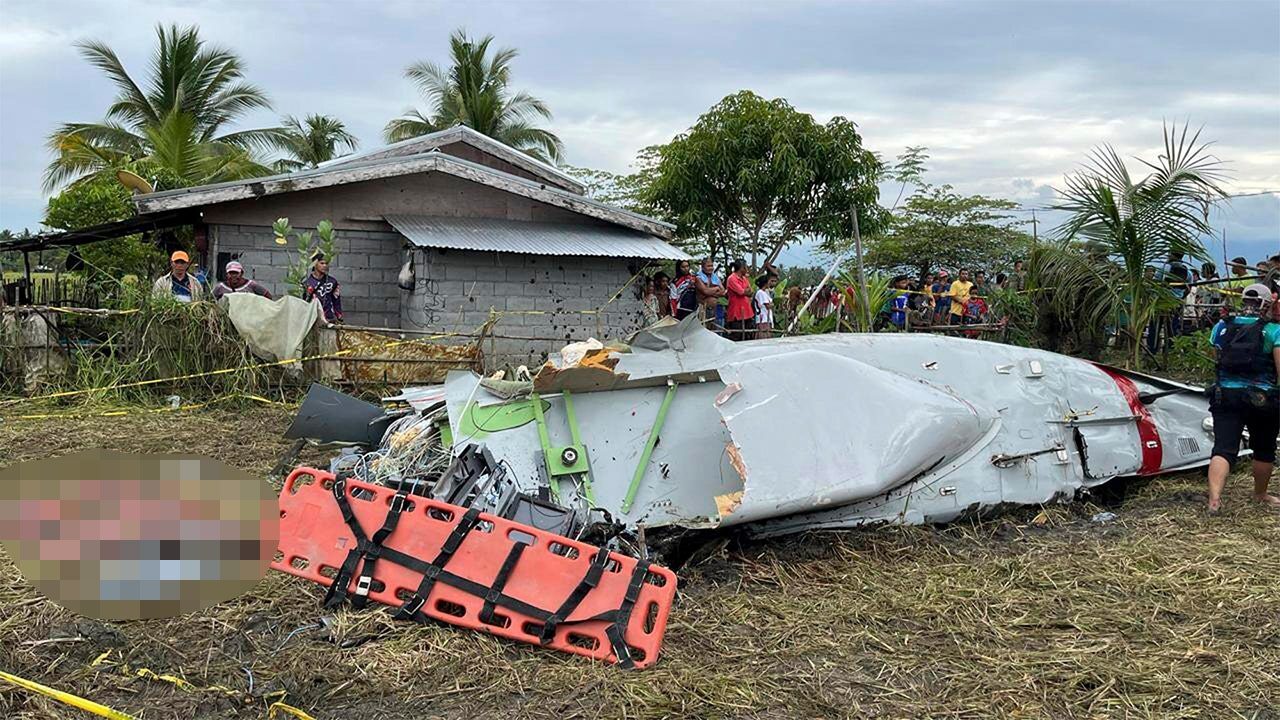
Unraveling the Tragedy: The Marine Victim of a Philippine Surveillance Flight Crash
A recent incident in the Philippines has brought to light the inherent risks faced by military personnel, particularly during surveillance operations. This tragic event claimed the life of a dedicated Marine, highlighting the dangers that accompany military missions in challenging environments. To fully understand the ramifications of this event, we must delve into the specifics of the crash, the implications for military operations, and the broader context of surveillance in the region.
The Incident: What Happened?
On a routine surveillance flight, a Philippine military aircraft tragically crashed, leading to the untimely death of a Marine on board. This unfortunate incident occurred during a mission aimed at monitoring maritime activities in the South China Sea, a region fraught with geopolitical tensions and territorial disputes.
Initial reports indicate that the aircraft encountered mechanical difficulties shortly after takeoff, leading to a catastrophic failure. Eyewitness accounts from local fishermen describe a loud explosion, followed by smoke billowing from the site of the crash. Search and rescue operations were promptly initiated, but sadly, the Marine could not be revived.
Who Was the Marine Victim?
The Marine who lost his life in this tragic incident was a dedicated serviceman with a commendable record. He had been part of various operations aimed at securing the Philippine archipelago and protecting its territorial waters. His commitment to duty and country was evident in his years of service, and he was well-respected among his peers.
Beyond his military service, he was remembered as a loving family member and friend. The loss has not only impacted the military community but also his loved ones, who now grapple with the grief of losing someone so committed to serving and protecting others.
Implications for Military Operations in the Region
This incident raises significant concerns regarding the safety of military operations in the Philippines, especially in areas that are strategically important yet challenging to navigate. The South China Sea is a geopolitical hotspot, with numerous nations asserting claims over various maritime territories.
- Increased Risks: Surveillance flights are critical for monitoring illegal fishing, smuggling, and other activities that threaten national security. However, the risks associated with these flights cannot be understated, particularly when mechanical failures can lead to devastating outcomes.
- Need for Modernization: The Philippine military has long been in the process of modernizing its fleet. This incident underscores the urgency of upgrading aircraft and enhancing maintenance protocols to prevent similar tragedies in the future.
- Operational Strategy: The military must reassess its operational strategies, particularly in high-stakes environments like the South China Sea, where the combination of surveillance needs and logistical challenges can create a precarious situation.
The Importance of Surveillance in National Security
Surveillance operations are vital for maintaining national security, especially in a country like the Philippines, which is composed of over 7,000 islands. The government’s ability to monitor its waters is crucial for several reasons:
- Protecting Resources: The Philippines is rich in marine resources, and illegal fishing poses a significant threat to its economy. Surveillance helps in the enforcement of fishing regulations and protecting these resources.
- Countering Smuggling: The archipelago is a prime route for smuggling activities, including drugs and weapons. Surveillance flights play a crucial role in intercepting illicit operations.
- Geopolitical Stability: With rising tensions in the South China Sea, surveillance is necessary to assert the Philippines’ claims and maintain peace in the region.
Reactions from the Military and Government
The Philippine military has expressed deep sorrow over the loss of their comrade. In a statement, officials emphasized the bravery and dedication of the Marine, acknowledging the risks faced by personnel in the line of duty.
Government officials have also weighed in, calling for improved safety measures for military flights. There is a consensus that the incident should serve as a catalyst for change, prompting a thorough investigation into the crash to prevent future occurrences.
A Closer Look at Military Aviation Safety
Military aviation safety is an ongoing concern across the globe. The unique challenges faced by military aircraft—often operated in harsh conditions and over difficult terrain—require a robust safety framework. Some key aspects include:
- Regular Maintenance: Aircraft must undergo rigorous and regular maintenance checks to ensure their readiness and safety.
- Training: Pilots and crew must receive continuous training to handle emergencies and mechanical failures effectively.
- Investing in Technology: Modern technology can enhance safety and operational efficiency, making it imperative for military forces to invest in advanced aircraft and systems.
Honoring the Fallen
In the wake of this tragedy, there will be memorial services and tributes to honor the Marine who lost his life. These ceremonies will not only serve as a remembrance of his sacrifice but also as a testament to the bravery of all those who serve in the armed forces.
Communities and military branches are expected to come together to support the family of the fallen Marine, offering condolences and assistance during this difficult time. The spirit of camaraderie and support is a cornerstone of military life, and even in sorrow, it shines brightly.
Conclusion: Moving Forward
The crash of the Philippine surveillance flight is a stark reminder of the risks taken by military personnel in the line of duty. As the nation mourns the loss of a brave Marine, it is crucial to reflect on the lessons learned from this tragedy. Ensuring the safety of military operations should be a priority, and this incident may pave the way for necessary changes in protocols and practices.
In the end, while the loss is heartbreaking, it also highlights the dedication and sacrifice of those who serve their country. The hope is that through this tragedy, improvements can be made that will not only honor the memory of the fallen but also protect those who continue to serve in the challenging landscape of military operations.
See more ABC News Feed