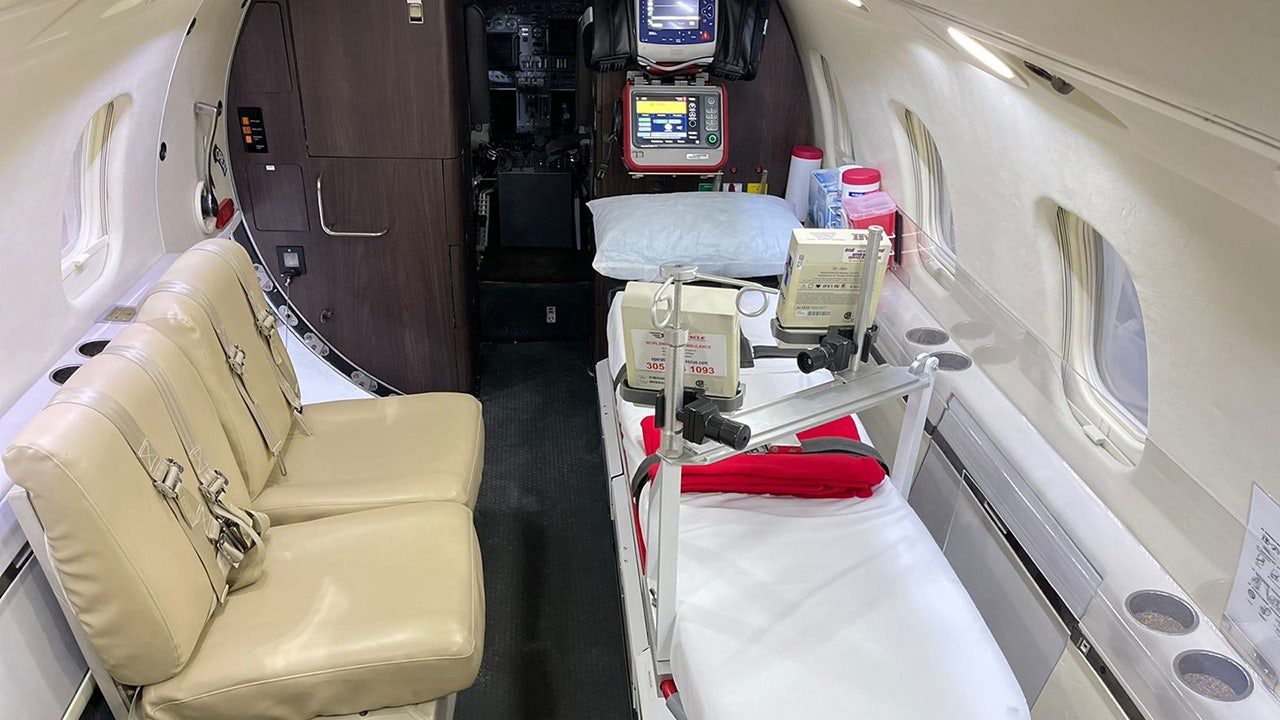
Inside the Tragedy: Haunting Images from the Philadelphia Medevac Jet Crash
The recent release of photos from the interior of a medevac jet that tragically crashed in Philadelphia provides a chilling glimpse into the disaster. These haunting images reveal the aftermath of a catastrophic event that has raised serious concerns about safety protocols and the circumstances surrounding the flight. As we delve into the details of this tragedy, it’s essential to reflect on the implications for the future of air medical transport and the ongoing need for stringent safety measures.
The Incident: What Happened?
On a fateful evening, the medevac jet, which was on a routine flight to transport a critically ill patient, met with disaster shortly after takeoff. Eyewitness reports indicate that the aircraft experienced difficulties almost immediately, with alarming sounds and visible smoke trailing behind. Tragically, the jet crashed shortly thereafter, resulting in the loss of all souls on board.
The images released from the crash site depict a scene of devastation. Debris is scattered across the area, and the once-pristine interior of the jet is now a haunting reminder of the lives lost. These visuals serve as a stark reminder of the fragility of life and the inherent risks involved in air medical transport.
Analyzing the Haunting Images
The haunting images from the Philadelphia medevac jet crash provide more than just a glimpse into the physical destruction; they evoke a sense of loss and raise critical questions about the safety protocols in place. The following aspects deserve particular attention:
- Cabin Condition: The photos reveal a disarrayed cabin, with medical equipment strewn about and personal belongings scattered. This chaos highlights the violent nature of the crash and the challenges faced by emergency responders.
- Emergency Protocols: The condition of the cabin raises questions about the efficacy of existing emergency protocols. Were the crew and medical personnel adequately prepared for an in-flight emergency? Did they have the necessary training to respond effectively?
- Aircraft Maintenance: Investigations into the crash will likely focus on the maintenance history of the aircraft. Were there any previous issues that could have contributed to the failure? Regular checks and adherence to maintenance schedules are critical in aviation safety.
Safety Protocols in Air Medical Transport
The Philadelphia medevac jet crash underscores the urgent need for robust safety protocols in air medical transport. While the industry has made significant strides in improving safety, incidents like this remind us that there is always room for improvement. Key areas to focus on include:
- Training and Certification: Ensuring that all crew members, including pilots and medical staff, undergo rigorous training and certification processes is paramount. Regular drills and simulations can prepare them for emergency situations.
- Equipment Checks: Comprehensive pre-flight checks should be mandatory for all medical equipment. This includes ensuring that life-support systems are functioning correctly and that all supplies are secured.
- Flight Operations Guidelines: Implementing stringent operational guidelines that dictate how flights are conducted, especially in adverse weather conditions, can help mitigate risks.
The Human Toll of the Tragedy
Beyond the physical destruction, the human toll of the Philadelphia medevac jet crash is immeasurable. Families have lost loved ones, and communities are left to grapple with the aftermath of such a devastating event. The emotional scars will linger for years to come, as survivors and families seek closure and understanding.
Support systems for the families of victims, including counseling and financial assistance, are crucial in the aftermath of such tragedies. Communities often rally around those affected, offering support and resources to help them cope with their loss.
Lessons Learned and Moving Forward
As we reflect on the tragedy of the Philadelphia medevac jet crash, it’s essential to focus not only on the heart-wrenching images but also on the lessons that can be learned. Each incident provides an opportunity to improve safety measures, enhance training, and implement stricter regulations.
The aviation industry, including air medical transport, must prioritize safety above all else. By investing in technology, training, and resources, we can work towards a future where tragedies like this become a thing of the past.
Conclusion: A Call for Action
The haunting images from the Philadelphia medevac jet crash are a stark reminder of the risks associated with air medical transport. They evoke a sense of urgency for improved safety protocols and highlight the need for ongoing vigilance in the industry. As we move forward, let us honor the memories of those lost by advocating for changes that enhance safety and prevent future tragedies.
In the end, it is the collective responsibility of the aviation industry, regulatory bodies, and the community to ensure that every flight is as safe as possible. Through collaboration, education, and a commitment to safety, we can work to prevent such heart-wrenching incidents in the future.
See more ABC News Feed