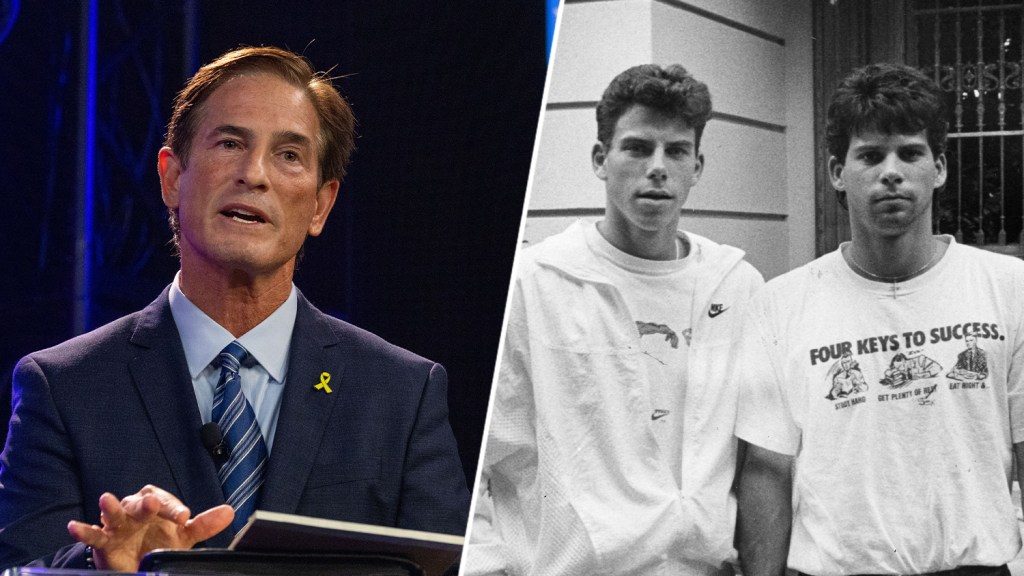
Delayed Justice: Menendez Brothers’ Resentencing Hearing Postponed
The recent postponement of the Menendez brothers’ resentencing hearing is a stark reminder of how environmental disasters can ripple through the fabric of our judicial system. In Los Angeles, where wildfires rage and smoke fills the air, the legal proceedings that have captivated the nation have taken a backseat to the urgent needs of a community grappling with disaster. This intersection of justice and environmental crises raises significant questions about the implications of such delays.
Background on the Menendez Brothers Case
In 1989, brothers Lyle and Erik Menendez were convicted of the brutal murders of their parents, José and Mary Menendez, in their Beverly Hills home. The case became infamous not just for the heinous nature of the crime but also for the sensational media coverage that followed. It wasn’t just a murder trial; it was a courtroom drama that delved deep into themes of wealth, family dysfunction, and psychological trauma.
Initially sentenced to life in prison without the possibility of parole, their case has seen numerous appeals and legal maneuvers over the years. In 2022, a California judge ordered a resentencing hearing based on claims that the brothers did not receive adequate legal representation during their original trial. The hearing was set for a date that has now been postponed due to the wildfires ravaging the region.
Impact of Wildfires on Legal Proceedings
The postponement of the Menendez brothers’ resentencing hearing highlights a broader issue: the impact of natural disasters on the judicial system. California, particularly Southern California, has experienced an increase in wildfire activity, with climate change playing a significant role. As communities evacuate and resources are diverted to combat the flames, the courts are often left to adjust their schedules and priorities.
The wildfires not only threaten lives and property but also disrupt essential services, including the legal system. When courtrooms are closed or staff members are forced to evacuate, cases can be delayed for weeks or even months. This situation raises important questions about the timely delivery of justice. Are defendants being denied their right to a fair and prompt trial due to circumstances beyond their control?
The Broader Implications of Delayed Justice
Justice delayed is often viewed as justice denied. In the case of the Menendez brothers, the postponement of their resentencing hearing could have several implications:
- Public Sentiment: The longer the case drags on, the more public interest may wane. The Menendez brothers’ case has been a focal point of media attention, but as the community deals with the aftermath of wildfires, the public’s focus may shift.
- Legal Precedents: Delays can set a precedent for future cases, particularly in how courts handle scheduling conflicts arising from natural disasters.
- Emotional Toll: Prolonged legal battles can take an emotional toll on all parties involved, including the defendants, the victims’ families, and the legal teams.
The Intersection of Justice and Environmental Crises
The Menendez brothers’ resentencing hearing is not the only legal proceeding affected by California’s wildfires. Across the state, countless cases are facing delays, and the implications are profound. As natural disasters become more frequent and severe, the legal system must adapt to ensure that justice is not compromised.
In many ways, this situation reflects a larger systemic issue. The legal system is designed to function under stable conditions, but when crises arise, the frameworks that uphold justice can falter. For example, when courts are forced to close, defendants may sit in jail awaiting trial or sentencing, which can lead to overcrowding and additional strain on resources.
Looking Forward: The Need for Resilience
As Los Angeles continues to grapple with the aftermath of wildfires, it is essential to consider how the legal system can build resilience in the face of such challenges. Here are a few potential strategies:
- Flexible Scheduling: Courts could adopt more flexible scheduling practices to accommodate emergencies, allowing for quicker rescheduling of hearings and trials.
- Remote Hearings: Embracing technology for virtual hearings could help mitigate delays, allowing cases to proceed even when physical courtrooms are unavailable.
- Emergency Legal Frameworks: Establishing clear protocols for how to handle legal proceedings during natural disasters could provide a roadmap for the future.
Conclusion: A Call for Action
The delayed justice in the case of the Menendez brothers serves as a poignant reminder of the vulnerabilities of our legal system in the face of environmental crises. As the community faces the immediate challenges of wildfires, it is crucial for the judicial system to find ways to adapt and ensure that justice remains accessible, even in the most trying times.
Ultimately, the Menendez brothers’ case is more than just a legal battle; it reflects the broader societal issues we face in an increasingly unpredictable world. As we move forward, the intersection of justice and environmental crises must be addressed with urgency and foresight, ensuring that the scales of justice remain balanced, even in the wake of disaster.
See more ABC News Feed