Unraveling the Tragedy: What Led to the Devastating Midair Collision?
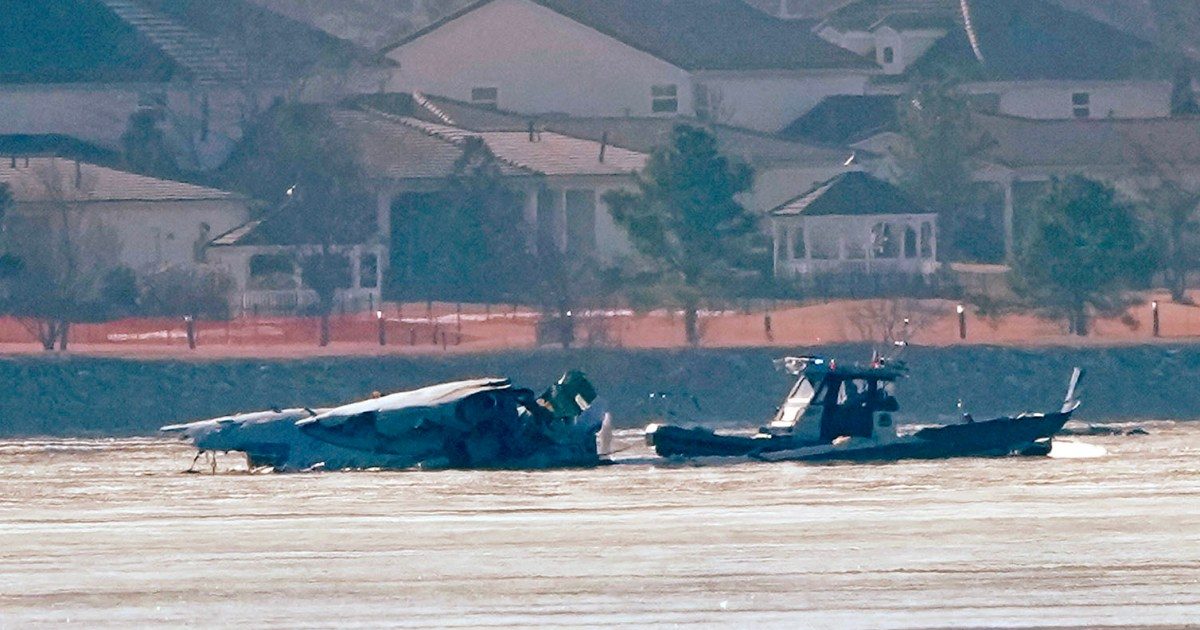
The recent midair collision between a passenger jet and an Army helicopter has sent shockwaves through the aviation community and the public alike. As investigators piece together the circumstances surrounding this tragic event, questions abound about the factors that led to this catastrophic incident. In this article, we will delve into the details of the collision, explore the contributing factors, and analyze the implications for air safety moving forward.
The Incident: A Timeline of Events
On a fateful day, a commercial passenger jet was en route to its destination, carrying dozens of passengers, while an Army helicopter was conducting routine training maneuvers. Both aircraft were operating under standard procedures, but a series of miscommunications and technical failures culminated in a devastating collision.
- Time of Collision: The collision occurred at approximately 3:30 PM local time.
- Location: The incident took place in a busy airspace corridor, a known junction for both civilian and military flights.
- Immediate Aftermath: Emergency services responded quickly, but the tragic outcome left many families devastated.
Factors Leading to the Collision
As investigators sift through the wreckage, several key factors are emerging that may have contributed to this tragedy.
1. Communication Breakdowns
One of the most critical elements of aviation safety is effective communication between pilots and air traffic control. In this case, preliminary reports suggest that there may have been a significant lapse in communication between the Army helicopter’s crew and the control tower. Such lapses can lead to misunderstandings about altitude, flight paths, and intentions, which are essential for maintaining safe distances between aircraft.
2. Air Traffic Control Challenges
Busy airspaces present unique challenges for air traffic controllers. With a high volume of traffic, especially in metropolitan areas, controllers must efficiently manage the flow of aircraft. The incident highlights potential inadequacies in air traffic management systems, particularly when military operations coincide with civilian flights. The integration of advanced radar technology and proactive communication protocols is essential to prevent such tragedies in the future.
3. Pilot Situational Awareness
Situational awareness refers to a pilot’s ability to perceive, comprehend, and project what is happening in their environment. It is crucial for making informed decisions. Investigators are examining whether the pilots involved maintained adequate situational awareness and whether they were aware of the presence of the other aircraft. Distractions, fatigue, or overreliance on automated systems could have impaired this critical skill.
The Impact on Air Safety Regulations
The midair collision serves as a grim reminder of the ongoing need to reevaluate and enhance air safety regulations. As the investigation unfolds, several key areas are likely to be scrutinized:
- Enhanced Communication Protocols: There may be calls for implementing stricter communication protocols between military and civilian air traffic control to ensure that all parties are aware of each other’s operations.
- Advanced Technology Integration: The use of advanced technologies such as Automatic Dependent Surveillance–Broadcast (ADS-B) could become mandatory, providing real-time data about aircraft positions and intentions.
- Training Improvements: Ensuring that pilots receive comprehensive training on situational awareness and emergency response techniques will be paramount in preventing similar incidents.
Personal Accounts and Eyewitness Perspectives
The emotional toll of such tragedies is profound, and personal accounts from eyewitnesses can provide valuable insights. Many individuals who witnessed the collision reported hearing loud noises and seeing debris fall from the sky. These firsthand experiences underscore the chaos and danger that unfolded in mere moments.
One eyewitness described the scene: “It was surreal. One moment, everything seemed normal, and then there was this loud bang, and pieces of metal were raining down. I couldn’t believe what I was seeing.” Such narratives highlight the human element of aviation incidents and the lasting impact they have on communities.
Moving Forward: Lessons Learned
While the investigation will take time, the hope is that it leads to vital lessons that enhance air safety. Here are some potential takeaways:
- Increased Collaboration: A concerted effort between military and civilian aviation sectors can help bridge gaps in communication and operational procedures.
- Public Awareness: Educating the public about aviation safety and the complexities of air traffic management can foster a better understanding of these issues.
- Policy Reforms: The tragic event may spark reforms in policy that prioritize safety and address the vulnerabilities in current systems.
Conclusion: A Call for Vigilance and Reform
The midair collision that claimed lives and devastated families is a stark reminder of the fragility of air travel safety. As we unravel the tragedy and seek to understand what led to this catastrophic event, it is imperative that stakeholders in aviation commit to learning from the past. By fostering communication, integrating advanced technology, and prioritizing rigorous training, we can work towards ensuring that such a tragedy never occurs again.
In the wake of this incident, the aviation community must embrace a culture of safety that transcends borders and branches of service. The hope is that through collective action and vigilance, we can honor the memory of the victims and strive for a safer future in the skies.
See more ABC News Feed