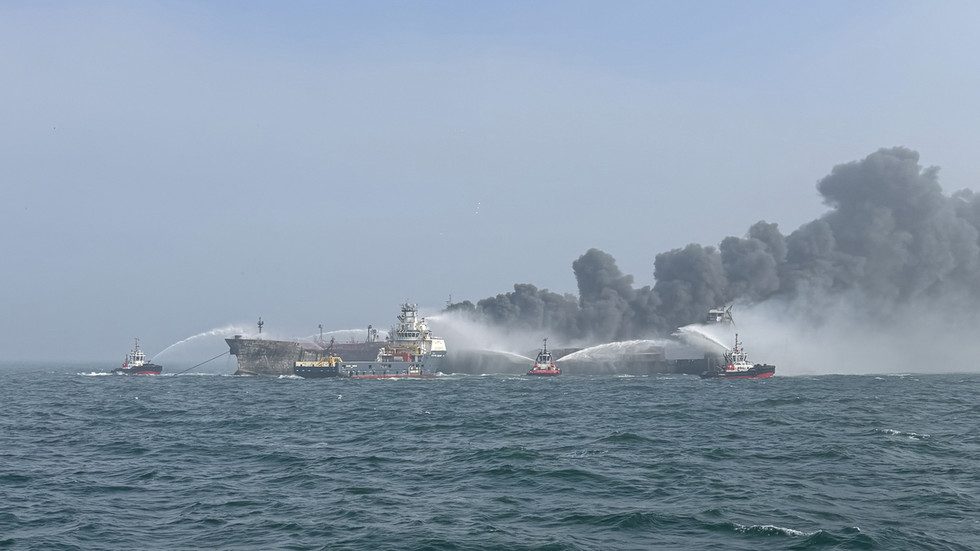
Collision at Sea: A Military Jet Fuel Tanker and Chemical Cargo Ship’s Dramatic Encounter
In a shocking turn of events, a military jet fuel tanker collided with a chemical cargo ship in a dramatic maritime incident that has raised serious concerns about safety protocols in shipping operations. Eyewitness footage capturing the moments leading up to the crash has surfaced, shedding light on the circumstances surrounding the collision. As investigations unfold, questions arise about maritime safety standards, operational procedures, and the implications for the shipping industry and military logistics.
The Incident: What Happened?
The incident occurred in international waters, where the tanker, identified as the USS Valor, was transporting jet fuel for the United States military. Simultaneously, the chemical cargo ship, the MV ChemSafe, was en route to deliver various chemical products to a destination in Europe. Eyewitnesses reported seeing the two vessels approach each other at high speeds before the collision occurred, resulting in a dramatic and chaotic scene.
Footage recorded by nearby vessels shows the moments leading up to the crash, with both ships seemingly unaware of each other’s proximity until it was too late. The tanker, built for high-capacity fuel transport, suffered significant damage to its bow, while the MV ChemSafe sustained considerable damage to its hull, prompting concerns about potential chemical leaks and environmental hazards.
Immediate Aftermath and Response
Following the collision, both ships quickly initiated emergency protocols. The crew members aboard the USS Valor managed to contain the jet fuel onboard, while the crew of the MV ChemSafe worked diligently to assess the damage and secure any potential leaks from their chemical cargo. Fortunately, no immediate reports of injuries or fatalities emerged, thanks to the quick actions of the crew and the effective emergency response teams that arrived on the scene.
Local authorities and maritime safety organizations were alerted, with specialized teams dispatched to evaluate the environmental impact and ensure that no hazardous materials were released into the ocean. The Coast Guard also initiated an investigation into the circumstances surrounding the collision, aiming to determine whether human error or mechanical failure played a role in this alarming incident.
Safety Protocols in Maritime Operations
This incident prompts a critical examination of safety protocols governing maritime operations. The maritime industry has long been subject to stringent regulations, yet incidents like this highlight potential gaps in enforcement or adherence. Some key aspects to consider include:
- Navigation Systems: Modern vessels are equipped with advanced navigation systems designed to prevent collisions. However, reliance on technology can sometimes lead to complacency. Regular training and drills can ensure crew members remain vigilant.
- Communication: Effective communication between vessels is paramount. The lack of clear communication between the USS Valor and the MV ChemSafe raises questions about radio protocols and situational awareness.
- Emergency Preparedness: Both ships had emergency protocols in place, but the efficiency with which they were executed can affect outcomes in crisis scenarios. Continuous training and simulations can enhance crew readiness.
While the industry has made significant strides in improving safety measures, this incident serves as a reminder of the constant need for vigilance and improvement.
Environmental Concerns and Implications
One of the most pressing concerns following the collision is the potential environmental impact. Jet fuel and various chemicals can pose severe risks to marine ecosystems if spilled. The immediate response to contain and mitigate any leaks is crucial to prevent long-term damage to marine life and coastal environments.
Additionally, this incident could set off a ripple effect in the shipping industry. Companies may need to reevaluate their safety protocols and consider investing in better technology to prevent such occurrences in the future. Stakeholders in maritime operations are likely to call for more robust regulations and oversight to ensure that safety remains a top priority.
Broader Implications for Military Logistics
The collision of a military jet fuel tanker with a commercial chemical cargo ship raises significant questions about military logistics and transportation strategies. The military relies heavily on maritime routes for the transport of essential supplies and equipment. This incident underscores the vulnerability of military logistics to disruptions caused by maritime incidents, highlighting the need for enhanced safety measures in military shipping operations.
Furthermore, as geopolitical tensions rise, securing these supply lines becomes increasingly critical. The military may need to consider alternative transport methods or routes to ensure that supplies are delivered safely and efficiently, minimizing the risk of future incidents.
Looking Ahead: Lessons Learned
As the investigations into the collision at sea continue, several lessons can be drawn from this incident:
- Enhanced Training: Continuous training for crew members on navigation, communication, and emergency response is vital. This incident highlights the need for rigorous drills that simulate potential collision scenarios.
- Investment in Technology: Investing in cutting-edge navigation and communication technology can help vessels avoid collisions. Implementing better systems can drastically reduce the risk of human error.
- Collaboration Across Sectors: The military and commercial shipping sectors must collaborate to share best practices and improve safety protocols. Joint exercises could help both sectors learn from each other’s experiences.
Ultimately, the collision between the military jet fuel tanker and the chemical cargo ship serves as a stark reminder of the complexities and risks of maritime operations. As investigations unfold, the hope is that this incident leads to actionable changes in protocols that enhance safety and environmental protection, ensuring that the seas remain safe for all who navigate them.
Conclusion
In an era where global trade and military logistics are increasingly intertwined, ensuring the safety of maritime operations is paramount. The dramatic encounter between the USS Valor and the MV ChemSafe serves not only as a wake-up call but also as an opportunity for the maritime community to reflect, learn, and improve. By addressing the challenges highlighted by this incident, the industry can work toward a safer and more secure future on the high seas.
See more ABC News Feed