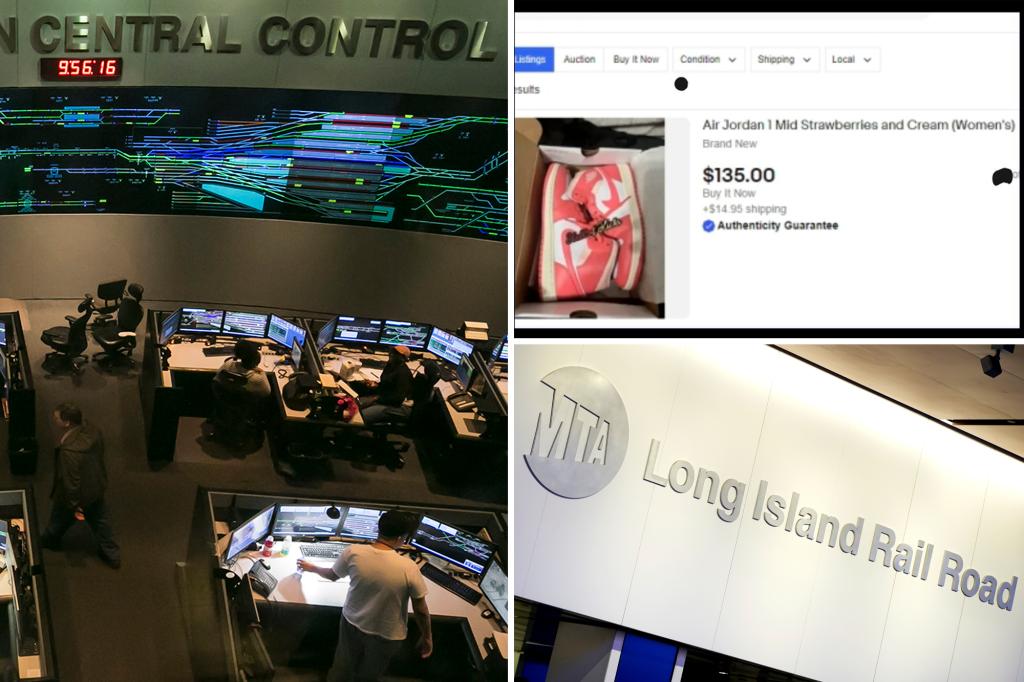
Inside the Sneaker Hustle: MTA Employee’s Double Life Exposed
A Metropolitan Transportation Authority (MTA) employee in New York City has been caught running a lucrative sneaker resale business while on duty, alongside the discovery of over 350 inappropriate websites bookmarked on his work computer. The scandal, uncovered during a routine internal audit last month, highlights serious breaches of workplace ethics and has sparked debates about accountability in public-sector jobs.
The Double Life: Public Servant by Day, Sneaker Entrepreneur by Night
According to MTA officials, the employee—whose identity remains confidential due to ongoing investigations—allegedly spent work hours managing a thriving sneaker resale operation. Internal records show he used his government-issued computer to:
- Coordinate sneaker purchases and sales through online marketplaces
- Communicate with buyers and suppliers during shifts
- Track limited-edition sneaker releases and resale values
“This wasn’t just occasional browsing—we’re talking about a full-fledged commercial operation,” said MTA spokesperson Elena Rodriguez. “Preliminary estimates suggest he conducted over $75,000 in transactions during work hours over 18 months.”
The Shocking Digital Paper Trail
Auditors made an even more disturbing discovery when examining the employee’s browsing history. Among the 350+ inappropriate bookmarks were:
- Adult content websites (accessed 2-3 times daily on average)
- Gambling platforms
- Pirated media streaming sites
Cybersecurity expert Dr. Mark Williams analyzed the case: “The volume and frequency suggest this wasn’t accidental access. We’re seeing a clear pattern of misuse that any basic monitoring software should have caught.”
Workplace Ethics Under Scrutiny
The scandal has reignited debates about accountability in public institutions. Government ethics specialist Laura Chen notes: “Public employees have a higher standard of conduct. When they divert taxpayer-funded resources for personal gain, it erodes public trust in essential services.”
However, some argue the case reflects broader systemic issues. “Before vilifying one worker, we should examine why MTA’s monitoring systems failed so spectacularly,” contends labor rights attorney Jamal Harris. “This suggests either negligent oversight or willful ignorance of widespread issues.”
The Lucrative World of Sneaker Reselling
The employee tapped into a booming secondary market. Recent industry data shows:
- The global sneaker resale market reached $6 billion in 2022
- Limited-edition releases can resell for 300-500% above retail
- Over 60% of resale transactions now occur through digital platforms
“The profit potential tempts many to blur ethical lines,” explains sneaker industry analyst Derek Simmons. “But using government resources crosses a bright red line.”
What Comes Next: Disciplinary Actions and Policy Reforms
The MTA has placed the employee on unpaid leave pending termination proceedings. Meanwhile, the authority announced sweeping changes:
- Enhanced computer monitoring software to be installed by Q1 2024
- Mandatory ethics training for all 75,000 MTA employees
- Random audits of work devices increased by 40%
Transportation advocate Rachel Goldstein argues these measures don’t go far enough: “We need transparent reporting of policy violations and consequences that actually deter misconduct.”
Broader Implications for Workplace Culture
This case joins a growing list of public sector misconduct incidents. A 2022 Government Accountability Office report found:
- 23% of federal employees admit to minor policy violations
- Only 12% of agencies conduct comprehensive digital audits
- Workplace misuse costs taxpayers an estimated $100 million annually
Organizational psychologist Dr. Susan Park explains: “When employees perceive lax oversight, it creates a culture where minor violations seem acceptable. That normalization can escalate into serious breaches.”
Where Do We Go From Here?
The MTA scandal serves as a cautionary tale about the intersection of personal enterprise and public service. As investigations continue, all eyes will watch whether this becomes a turning point for institutional accountability or just another forgotten misconduct case.
For citizens concerned about ethical governance, now is the time to contact local representatives and demand stronger oversight measures. The integrity of public institutions depends on both robust systems and individual responsibility.
See more ABC News Feed