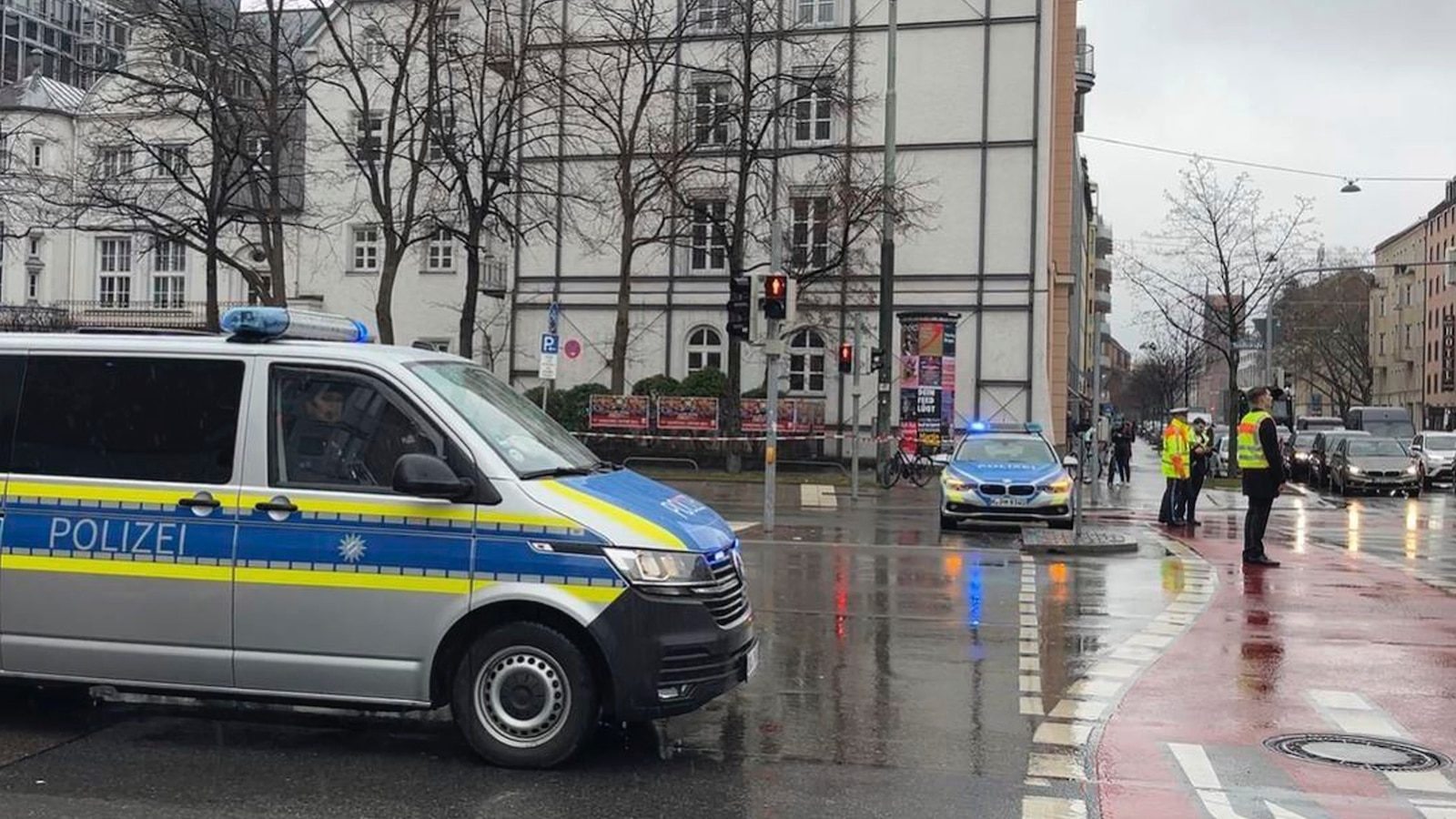
Chaos in Munich: Car Plows into Pedestrians
A shocking incident in Munich has left approximately 20 people injured after a vehicle drove into a crowd of pedestrians. This alarming event has sent ripples of fear and concern throughout the city, prompting both local authorities and citizens to grapple with the implications of such violence in public spaces. As investigations unfold, it is crucial to explore the circumstances surrounding this incident, its aftermath, and broader themes concerning public safety in urban areas.
The Incident: What Happened?
On a seemingly ordinary day in Munich, a vehicle unexpectedly veered off course and struck a group of pedestrians. Eyewitnesses reported scenes of chaos as people scrambled for safety amidst the sounds of screeching tires and panicked cries. Emergency services were quick to respond, rushing to the scene to provide medical assistance and transport the injured to local hospitals.
Initial reports indicate that around 20 individuals sustained injuries, varying from minor to serious. Authorities have not disclosed specific details about the condition of the victims, but the shock of such a violent act has reverberated through the community.
Understanding the Motivation
As investigations continue, one of the primary questions on everyone’s mind is: what motivated the driver to commit such an act? Authorities are meticulously examining various angles, including whether this was an accident or a deliberate attack. Interviews with witnesses and surveillance footage from the area are crucial in piecing together the events leading up to the incident.
In recent years, cities around the world have faced similar incidents, often linked to broader societal issues, including mental health crises, extremism, or reckless behavior. Understanding the underlying motivations is essential not only for justice but also for preventing future occurrences.
The Immediate Aftermath
The immediate response to the incident involved swift actions from local law enforcement and medical teams. Paramedics treated victims on-site before transporting them to nearby hospitals. The police cordoned off the area, establishing a perimeter for investigation while also ensuring the safety of bystanders. This rapid response is a testament to Munich’s emergency preparedness, but it raises questions about how cities can enhance safety measures in crowded public spaces.
Public Reaction and Community Response
The community response to the chaos in Munich has been one of shock and solidarity. Residents have taken to social media to express their concerns, share their experiences, and extend their support to the victims and their families. Local leaders have also issued statements emphasizing the importance of unity and resilience in the face of such violence.
- Community vigils have been organized to honor the victims.
- Support groups are being formed to assist those affected by the trauma of the incident.
- Local businesses are offering their services to help with recovery efforts.
Public sentiment often leans toward a collective desire for safety and security in urban environments. Citizens are calling for increased vigilance and enhanced measures to protect pedestrians in busy areas, urging local authorities to consider implementing more robust traffic regulations and safety protocols.
Broader Implications for Urban Safety
This tragic event in Munich serves as a reminder of the vulnerabilities present in urban settings. Cities are designed to accommodate large populations, but this also means that an incident such as a vehicle driving into pedestrians can have devastating consequences. Authorities must take proactive measures to ensure public safety, which may include:
- Improving pedestrian infrastructure, such as crosswalks and pedestrian-only zones.
- Implementing stricter regulations on vehicle access in crowded areas.
- Enhancing surveillance and emergency response capabilities.
Moreover, there is a growing discussion around the psychological well-being of the populace. Addressing mental health issues, particularly among those who may exhibit violent tendencies, is crucial in preventing future incidents. Community programs that focus on mental health awareness and resources can help foster a more secure environment.
Conclusion: Moving Forward
As Munich grapples with the aftermath of this chaotic incident, the focus must shift toward healing and prevention. The approximately 20 injured individuals are a stark reminder of the fragility of safety in public spaces. Authorities are charged with the responsibility of conducting thorough investigations to ascertain the facts surrounding the event, but this is only one piece of the puzzle.
Communities must come together to support those affected and advocate for measures that ensure the safety of all citizens. The chaos in Munich is not just a local issue; it resonates globally as urban areas worldwide face similar challenges. By fostering a culture of vigilance, compassion, and community engagement, cities can work toward a future where such incidents are less likely to occur. Together, we can transform chaos into a catalyst for change, ensuring that public spaces remain safe for everyone.
See more ABC News Feed


