Unraveling the Munich Car Attack: What Authorities Knew About the Suspect
The recent car attack in Munich has sent shockwaves through the community and raised critical questions about the effectiveness of authorities in monitoring individuals deemed at risk. As the dust settles, many are left wondering: what exactly did the authorities know about the suspect, and how could such a violent act occur despite existing surveillance measures? This article delves into the details of the tragic event, the suspect’s background, and the implications for public safety.
The Incident: A Brief Overview
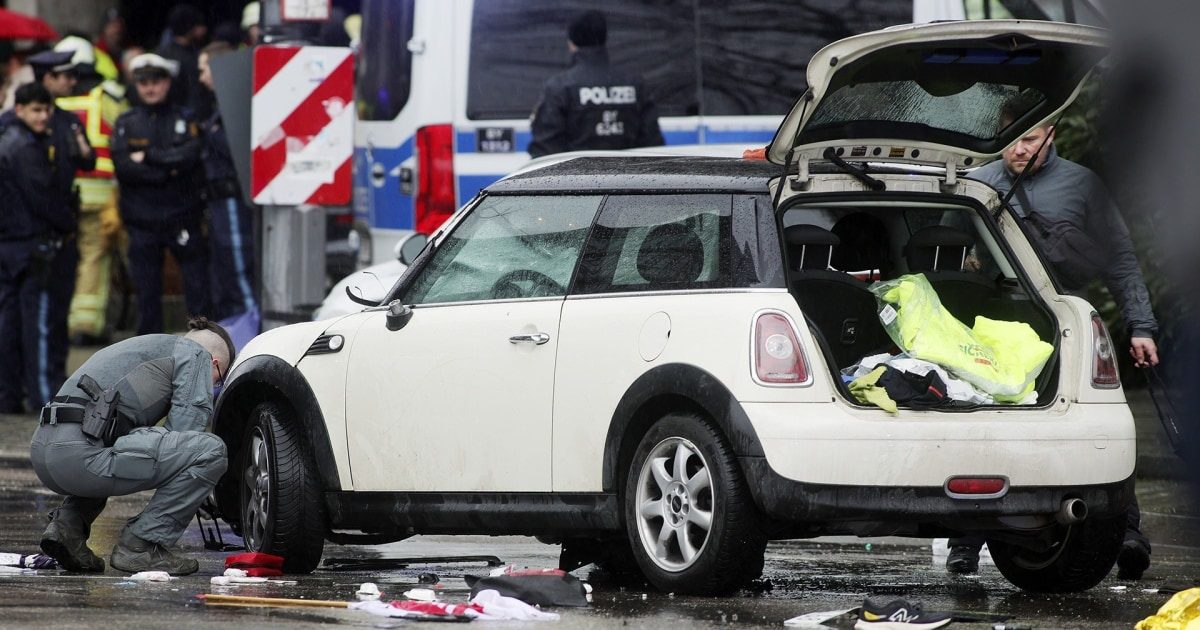
On a seemingly ordinary day in Munich, a car veered off the road, crashing into pedestrians and causing chaos in a bustling city square. The scene was horrific, with bystanders rushing to assist the injured while others called emergency services. Within moments, the area was cordoned off, and law enforcement began their investigation into what was a deliberate act of violence.
As details started to emerge, authorities confirmed that the driver of the vehicle was a 35-year-old man with a troubling history. This revelation led to a flurry of questions regarding how such individuals are monitored and what preventative measures are in place to avert similar incidents in the future.
Who Was the Suspect?
The suspect, identified as Ahmed K., was known to authorities due to previous encounters with law enforcement. Reports indicate that he had a history of mental health issues and had been flagged by various agencies as someone who could potentially pose a risk.
- Previous Incidents: Ahmed had a record of erratic behavior and had been involved in minor offenses, which raised red flags among law enforcement.
- Mental Health Evaluations: Authorities had conducted several evaluations, but the outcomes did not warrant significant action beyond monitoring.
- Social Media Activity: His online presence revealed troubling posts that hinted at his discontent and agitation, drawing the attention of some observers.
Despite these warning signs, Ahmed was able to slip through the cracks of the monitoring system. This situation highlights a significant gap in the ability of authorities to act decisively in preventing potential threats.
The Role of Mental Health in Public Safety
Mental health issues are a growing concern worldwide, and they often intersect with public safety. In Ahmed’s case, his mental health struggles were apparent, yet the mechanisms in place to address such challenges were insufficient.
Experts suggest that improving mental health resources and ensuring better communication between various agencies could significantly enhance public safety. Here are some key recommendations:
- Increased Funding: Allocating more resources to mental health services can provide individuals with the support they need before their issues escalate.
- Interagency Collaboration: Strengthening communication among law enforcement, mental health professionals, and community organizations can create a more cohesive approach to monitoring at-risk individuals.
- Public Awareness Campaigns: Educating the public about mental health issues can help reduce stigma and encourage those in need to seek help.
What Authorities Knew: A Closer Look
In the aftermath of the Munich car attack, investigators worked diligently to piece together what authorities knew about Ahmed and how that information was handled prior to the tragedy.
Internal reports revealed that while Ahmed had been under surveillance, there was a lack of clear protocols for escalating concerns. Authorities had noted his behavior but did not classify him as an immediate threat, leading to inaction. This raises the question of how risk assessments are conducted and who determines when someone poses a genuine danger to the public.
Implications for Public Safety
The Munich car attack has far-reaching implications for public safety. As communities grapple with the aftermath, it is essential to consider how similar incidents can be prevented in the future. Key considerations include:
- Policy Reforms: A comprehensive review of current policies related to monitoring at-risk individuals is necessary to identify gaps and implement more effective strategies.
- Training for Law Enforcement: Providing law enforcement with the tools and training to recognize mental health crises can aid in better decision-making during critical situations.
- Community Engagement: Involving community members in safety efforts can foster trust and create a more vigilant environment.
Conclusion: Moving Forward
As Munich mourns the victims of this tragic car attack, it is clear that the incident has sparked vital conversations about public safety, mental health, and the responsibilities of authorities. The challenge lies not just in understanding what went wrong but in taking actionable steps to ensure that such a tragedy does not occur again.
It is imperative that we learn from this incident, investing in mental health resources, fostering collaboration among agencies, and creating robust monitoring systems that enable authorities to act swiftly and decisively when necessary. Only through collective effort and vigilance can we hope to create safer communities for all.
In the end, the road to recovery and prevention is long, but it starts with dialogue, reform, and a commitment to understanding the complexities of both mental health and public safety. The Munich car attack serves as a tragic reminder of the work that remains to be done.
See more ABC News Feed


