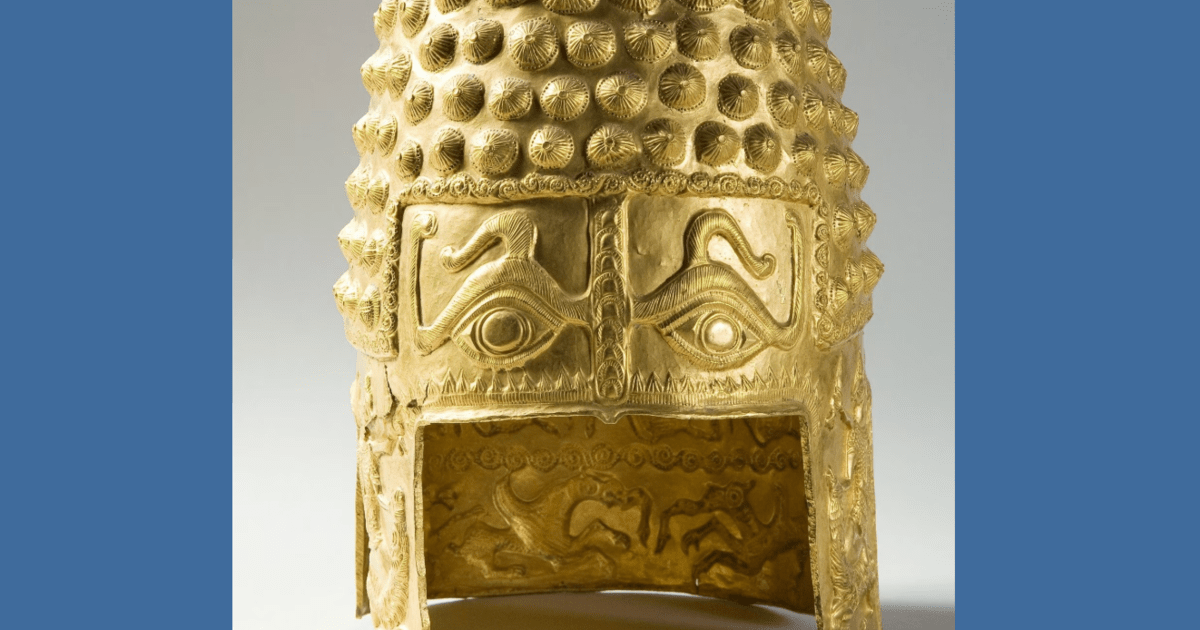
Heist at the Museum: The Shocking Explosion and the Vanishing Gold Masterpieces
In a brazen act that has sent shockwaves through the art community, a dramatic explosion rocked a renowned museum in the Netherlands, leading to the astonishing theft of priceless gold masterpieces. This incident not only raises serious concerns about the security measures in place for protecting cultural treasures but also highlights the audacity of modern art theft. As the dust settles, both authorities and art enthusiasts are left grappling with the implications of this bold crime.
The Incident: A Timeline of Events
The events unfolded on a seemingly ordinary Wednesday morning at the prestigious Dutch National Museum of Fine Arts. Visitors were about to embark on a day filled with art appreciation when, around 10:00 AM, a loud explosion shattered the tranquility of the museum. Eyewitnesses reported a bright flash and a powerful blast that echoed through the halls, sending shockwaves that rattled the very foundations of the building.
As chaos erupted, museum staff and visitors rushed for safety, while the sound of alarms blared throughout the premises. In the aftermath, security footage revealed a group of highly organized thieves executing a meticulously planned heist amid the confusion. Within minutes, they had targeted the museum’s most valuable artifacts—an enviable collection of gold masterpieces, some dating back to the Renaissance.
The Art of Theft: How the Heist Unfolded
Initial investigations indicate that the thieves employed sophisticated techniques typically associated with high-stakes heists. Reports suggest they utilized explosives to breach secure display cases that housed the invaluable items. The audacity of this operation is staggering, as it demonstrates a deep understanding of both the museum’s layout and the security protocols in place.
- Planning: Authorities believe the thieves spent weeks, if not months, surveying the museum, mapping out exit routes, and understanding the timing of security patrols.
- Execution: The explosion served as a distraction, allowing the thieves to facilitate their escape with minimal resistance.
- Aftermath: Within minutes, the criminals vanished into the streets of Amsterdam, leaving behind only questions and chaos.
The Impact on the Art World
The heist has reverberated throughout the art community, raising alarm bells about security at institutions that house priceless works. The Dutch National Museum of Fine Arts, known for its rich collection of gold masterpieces, faces intense scrutiny regarding its security measures.
Experts in art theft and security are now advocating for a reassessment of existing protocols. Some suggested measures include:
- Advanced Surveillance: Implementing state-of-the-art security cameras and motion detectors to monitor all areas of the museum.
- Increased Staffing: Employing more security personnel, especially during peak visitor hours.
- Emergency Protocols: Establishing clear and rapid response plans in case of similar incidents.
The Thieves: Who Are They?
As investigations continue, the identity of the thieves remains shrouded in mystery. Law enforcement agencies are working diligently to piece together clues from the scene, including fingerprints and DNA evidence. Additionally, they are examining potential links to organized crime syndicates known for high-profile art thefts.
Art theft has evolved into a complex criminal enterprise, often involving international networks that deal in stolen art. The gold masterpieces stolen in this incident could potentially end up on the black market, hidden away from the eyes of collectors and museums alike.
Security Measures in Art Institutions
The shocking explosion and subsequent theft raise critical questions about how museums protect their collections. Many institutions implement a range of security measures, including:
- Alarm Systems: Intricate alarm systems designed to alert authorities in case of unauthorized access.
- Controlled Access: Limiting access to sensitive areas of the museum to authorized personnel only.
- Insurance Policies: Ensuring that valuable pieces are adequately insured against theft and damage.
Despite these measures, the recent heist demonstrates that no system is foolproof. The art world must now engage in a comprehensive dialogue about enhancing security protocols and the ethical implications of art ownership and preservation.
Public Reaction and Moving Forward
The public’s reaction to the heist has been one of shock and disbelief. Social media platforms lit up with reactions from art lovers, historians, and concerned citizens alike, all expressing their outrage and sadness over the loss of cultural heritage.
Many are calling for stricter regulations surrounding the sale of art, emphasizing the need for transparency in transactions. The art community is also rallying together, urging for collaboration among museums worldwide to share information about threats and incidents, thereby enhancing collective security.
A Call to Action
As the investigation unfolds, it is imperative for the art world to take a proactive stance in safeguarding its treasures. Museums, collectors, and governments must come together to create a more secure environment for art preservation. This incident serves as a wake-up call, highlighting the importance of vigilance, innovation, and collaboration in protecting our shared cultural heritage.
In conclusion, the shocking explosion at the Dutch museum and the subsequent vanishing of gold masterpieces remind us of the fragility of our cultural treasures. It is not just a loss for the museum but for humanity as a whole. The journey to recover these invaluable pieces will undoubtedly be long and arduous, but it is a journey we must undertake to ensure that such treasures continue to inspire future generations.
See more ABC News Feed