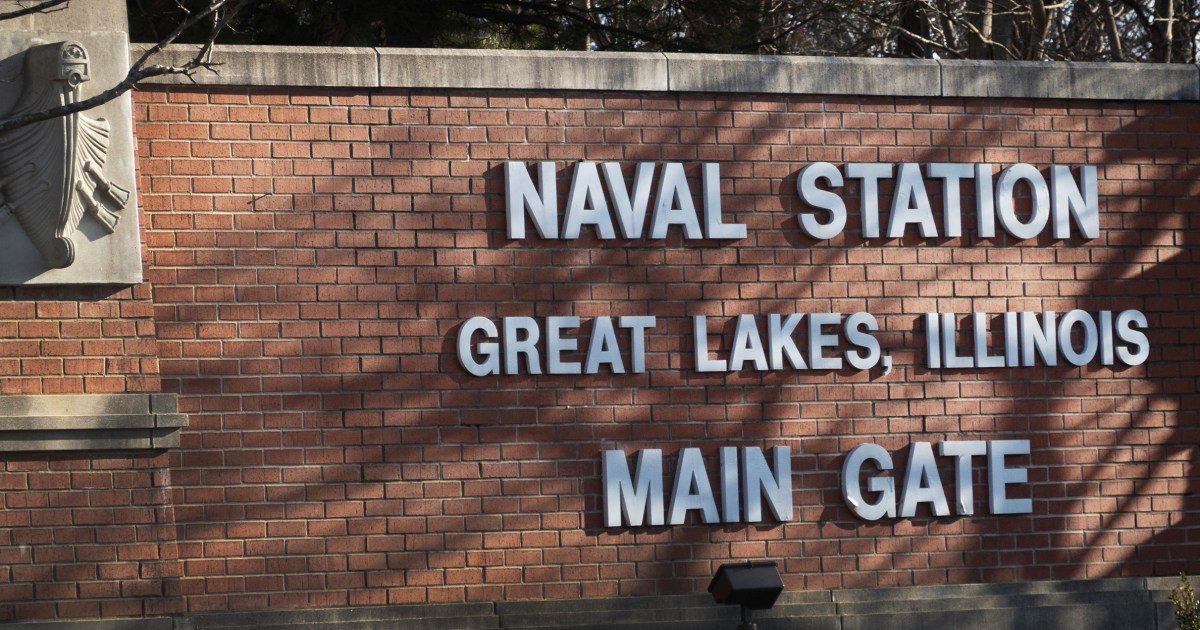
A former U.S. Navy sailor has confessed to planning a terror attack against Naval Station Great Lakes, raising serious concerns about security and insider threats. This shocking revelation has sent ripples through military communities and security agencies alike, highlighting the potential risks posed by individuals with military backgrounds. As the implications of this confession unfold, it’s crucial to examine not only the incident itself but also the broader context of security within military installations.
The Confession: A Disturbing Insight
The individual, whose identity has not been publicly released, was apprehended after authorities received tips about potential threats to the Naval Station Great Lakes. During the interrogation, the ex-sailor detailed plans that included specific targets within the naval base, indicating a level of premeditation that is particularly alarming. This confession has raised various questions about how such plots can develop and what measures are in place to prevent them.
According to law enforcement officials, the sailor expressed grievances that he believed justified his intent to carry out an attack. Such motivations can stem from a myriad of factors, including personal experiences, ideological beliefs, or even psychological issues. This case serves as a sobering reminder that the motivations behind terrorist acts can often be complex and deeply personal.
Understanding Insider Threats
Insider threats pose one of the most significant challenges to military and governmental security. An insider threat can be defined as any individual with authorized access to an organization’s resources who uses that access to harm the organization or its stakeholders. In the context of military installations, this can include:
- Active duty military personnel
- Veterans with prior service
- Civilians employed by the military
- Contractors with access to sensitive information
The case of the ex-Navy sailor highlights how even individuals who have sworn an oath to protect their country can become threats. This duality poses a significant challenge for security personnel tasked with protecting military installations. It raises the question: How can military leaders effectively identify and mitigate the risks posed by insiders?
Security Measures in Place
In light of incidents like the one involving the ex-Navy sailor, military installations have ramped up their security protocols. Some of the key measures include:
- Background Checks: Comprehensive background checks during the recruitment process aim to identify any red flags in an individual’s history.
- Continuous Monitoring: Many installations employ ongoing monitoring processes to observe personnel behavior and identify any concerning changes.
- Reporting Mechanisms: Encouraging a culture where service members can report suspicious behavior without fear of repercussion is crucial.
- Training and Awareness: Regular training sessions on recognizing and reporting potential insider threats help maintain vigilance.
While these measures are essential, the reality is that no system is foolproof. Each incident can reveal gaps in protocols and highlight the need for continuous improvement in security practices.
The Role of Mental Health
Understanding the mental health aspects of those who engage in violent plots is vital. The ex-Navy sailor’s confession may be indicative of deeper psychological issues. Military life can be incredibly stressful, and many veterans face challenges such as PTSD, depression, and anxiety.
Addressing mental health within the military is crucial. Initiatives aimed at improving mental health resources for service members and veterans are increasingly being recognized as essential. By providing better support systems, the military can help mitigate the risk of individuals turning to violence as an outlet for their struggles.
Public Reaction and Media Coverage
The confession of the ex-Navy sailor has sparked significant media interest and public debate. Many are grappling with the implications of a military insider planning an attack against their own. This incident has raised questions about trust and security within the military community, prompting discussions on how to protect against similar threats in the future.
Social media platforms have also played a role in shaping public perception. As news of the confession spread, discussions ensued about the effectiveness of current security measures and the potential need for reforms. Some advocates are calling for more stringent vetting processes for military personnel, while others emphasize the importance of mental health support.
Looking Forward: Prevention and Awareness
As this case continues to unfold, it is important for military and security leaders to take proactive steps toward preventing similar incidents. Here are some strategies that could be implemented:
- Enhanced Training: Providing comprehensive training on ethical behavior and the consequences of violence can help instill a sense of responsibility among service members.
- Community Building: Fostering a sense of community within military installations can reduce isolation and help service members feel more connected.
- Collaboration with Mental Health Professionals: Regular collaborations with mental health experts can ensure that service members have access to necessary resources and support.
Ultimately, the goal is to create an environment where individuals feel supported and understood, reducing the likelihood of turning to violence as a solution to their problems.
Conclusion: A Call for Vigilance
The confession of the ex-Navy sailor planning a terror plot against Naval Station Great Lakes serves as a stark reminder of the complexities surrounding insider threats within military installations. As society navigates these challenges, it’s crucial to remain vigilant while fostering an environment that supports mental health and encourages open communication. By investing in prevention and awareness strategies, the military can work towards ensuring that such incidents become a rarity rather than a disturbing trend.
As we reflect on this incident, let us advocate not only for enhanced security measures but also for a deeper understanding of the individuals who serve in our military. Building a supportive community can be one of the most effective ways to combat the risks posed by insider threats and ensure the safety of our military installations.
See more ABC News Feed