Landmark Ruling: New Zealand Island Owners’ Conviction Overturned After Tragic Eruption
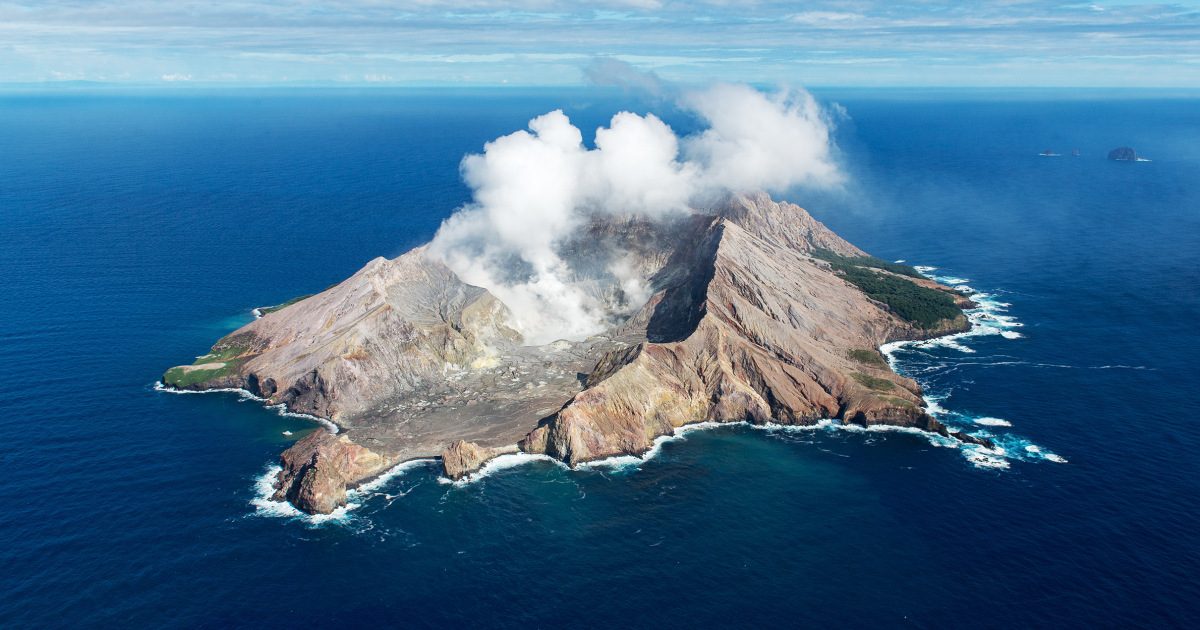
In a landmark ruling that has captivated both legal experts and the general public, a New Zealand judge has overturned the conviction of the owners of White Island, an island popular with tourists, where a catastrophic volcanic eruption occurred in December 2019, resulting in the tragic loss of 22 lives. This decision not only brings a significant legal victory for the island’s owners but also raises pressing questions about accountability, safety standards, and the responsibilities of tourism operators in high-risk areas.
The Eruption: A Tragic Event That Shook the Nation
The eruption on White Island, also known as Whakaari, was a devastating event that unfolded rapidly. On December 9, 2019, while tourists were exploring the island’s unique volcanic landscape, the volcano erupted, spewing ash and debris into the air. Many who were on the island were caught off guard, leading to a chaotic scene that resulted in fatalities and numerous injuries, with some victims suffering severe burns and trauma.
This disaster not only shook the local community but also garnered international attention, prompting questions about how such an event could occur in an area frequented by tourists. The aftermath saw families grieving for their lost loved ones, while survivors faced long and arduous paths to recovery.
Conviction of the Island Owners
Following the eruption, the owners of the island, along with several tour operators, were charged with health and safety violations. In early 2020, they faced legal proceedings that concluded with a conviction, holding them accountable for failing to ensure the safety of visitors to the island. This ruling was seen as a pivotal moment in New Zealand’s legal landscape, emphasizing the need for strict adherence to safety protocols in tourism operations.
The conviction raised significant discussions regarding the legal responsibilities of companies operating in hazardous environments. Critics argued that the ruling set a precedent that could have far-reaching implications for the tourism industry, especially in regions with active geological features.
Reversal of Conviction: A Surprising Legal Turn
Recently, in a surprising legal turn, a judge has reversed the conviction of the island owners. The judge cited that there was a lack of sufficient evidence to prove that the owners had failed in their duty of care, as the eruption was an unpredictable natural event. This decision has sparked a wave of reactions, both in support of the owners and in critique of the justice system’s approach to accountability in high-risk tourism sectors.
Supporters of the ruling argue that the owners of the island should not be held liable for an act of nature that could not have been predicted or prevented. They contend that the focus should instead be on improving safety measures and communication strategies in tourism, rather than assigning blame post-tragedy.
Implications for the Tourism Industry
This landmark ruling comes with significant implications for the tourism industry, particularly in regions prone to natural disasters. As tourism operators navigate the complexities of safety and risk management, several key points arise:
- Risk Assessment: The tourism industry must invest in thorough risk assessments for locations that have potential natural hazards. This includes continuous monitoring of geological activity and implementing contingency plans for emergencies.
- Visitor Education: Tour operators have a responsibility to educate visitors about the risks involved in their adventures. Clear communication about safety protocols and emergency procedures is essential.
- Regulatory Framework: There may be a need for a reevaluation of the regulatory framework surrounding tourism in hazardous areas. Establishing clear guidelines and safety standards can help mitigate risks and enhance visitor safety.
- Insurance Considerations: The overturning of the conviction could lead to changes in how insurance is handled for tourism operators. Understanding liability and coverage in the context of natural disasters will be crucial moving forward.
Community Response and Healing
The community affected by the eruption continues to grapple with the aftermath. While the legal ruling may provide some relief to the island owners, it does not erase the pain and loss experienced by the victims’ families. Community healing is a slow process, necessitating support systems that address both emotional and psychological needs.
Local support groups have emerged, providing resources for those impacted by the tragedy. Initiatives aimed at commemorating the victims and honoring their memories are also crucial in fostering a sense of community resilience and closure.
Looking Ahead: Ensuring Safety in Tourism
The overturning of the conviction serves as a reminder of the complexities surrounding tourism in areas with natural hazards. As the industry evolves, it is essential to prioritize safety without stifling adventure and exploration. The balance between risk and reward is delicate, but it can be navigated with thoughtful policies and practices that prioritize human life.
In conclusion, while the legal battle over the White Island eruption has taken an unexpected turn, it has opened a dialogue about accountability, safety, and the role of tourism operators in safeguarding their visitors. The industry must learn from this tragedy and strive to create safe, enjoyable experiences for all travelers, ensuring that the lessons learned translate into better practices for the future.
See more ABC News Feed


