U.K. Prepares for Environmental Fallout After North Sea Ship Collision
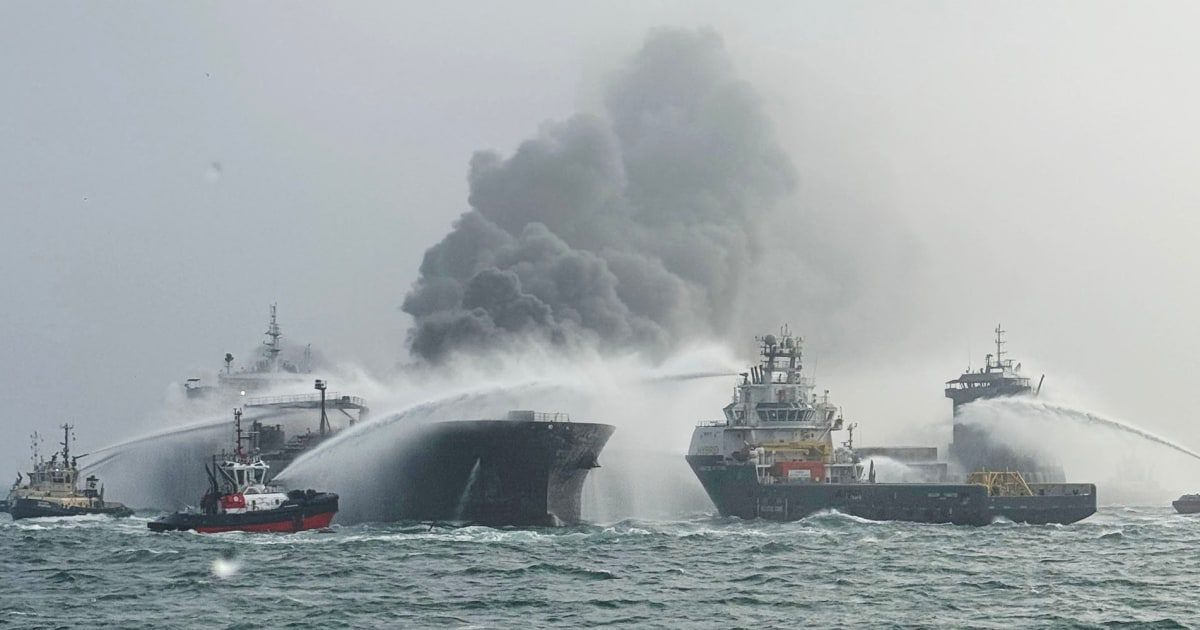
In a dramatic turn of events, a recent collision in the North Sea has left multiple vessels ablaze, raising alarms about the environmental consequences for the United Kingdom’s marine ecosystem. As flames danced on the water’s surface, officials and environmentalists alike began mobilizing to assess the damage and devise strategies to mitigate risks to marine life and coastal communities.
The Incident: A Wake-Up Call for Maritime Safety
The incident, which occurred in the early hours of a foggy morning, involved two cargo ships colliding in a busy shipping lane known for its heavy traffic. Reports indicate that one vessel was transporting hazardous materials, which raises significant concerns regarding potential spills and the subsequent impact on marine biodiversity. The immediate aftermath saw rescue operations being launched, focusing on evacuating crew members and controlling the fire.
This collision serves as a stark reminder of the precarious balance between maritime commerce and environmental safety. With the North Sea being a critical area for shipping and fishing, the fallout from such incidents can be catastrophic, affecting not just marine life but also fishing industries and local economies.
Environmental Implications: Analyzing Potential Risks
The North Sea is home to a rich tapestry of marine life, including fish, seabirds, and marine mammals. The potential environmental fallout from the recent ship collision encompasses several key risks:
- Oil Spills: If the vessels were carrying oil or other toxic materials, a spill could have devastating effects on marine ecosystems. Oil can coat marine organisms, disrupting their ability to breathe and feed.
- Chemical Contamination: The presence of hazardous cargo raises concerns about toxic substances entering the water, which can lead to long-term ecological damage.
- Impact on Fisheries: Local fishing communities could face economic hardship if fish stocks are affected or if fishing grounds are deemed unsafe for harvesting.
- Habitat Destruction: The physical impact of the collision and subsequent salvage operations could destroy delicate seabed habitats critical for various marine species.
Government Response: Mobilizing Resources
In response to the crisis, the U.K. government has activated its emergency response protocols. The Marine Management Organisation (MMO) and the Environment Agency are working closely with local authorities to assess the situation. Immediate steps include:
- Damage Assessment: Teams are being deployed to evaluate the extent of the damage and determine the best course of action.
- Containment Measures: Booms and barriers are being placed around the affected area to contain any potential spills.
- Public Safety Announcements: Authorities are informing local communities about safety measures and any potential risks related to the incident.
Moreover, the government is collaborating with environmental organizations to monitor the health of marine life in the aftermath of the collision. Continuous water quality testing and wildlife assessments are crucial to understanding the full scope of the incident’s impact.
Community Involvement: A Collective Effort
Local communities along the coast are on high alert. Fishermen, environmental groups, and volunteers have joined forces to assist in monitoring the situation. Their firsthand experience and local knowledge are invaluable in identifying any immediate threats to marine life and habitats.
Additionally, community leaders are advocating for stronger regulations to prevent such incidents in the future. The call for tighter maritime safety measures and better training for crews operating in high-traffic areas is gaining momentum. This incident could act as a catalyst for change in maritime policy, emphasizing the need to balance economic interests with environmental stewardship.
Long-Term Solutions: Enhancing Maritime Safety
As the U.K. grapples with the aftermath of the North Sea ship collision, it’s essential to consider long-term strategies to prevent future incidents. Some potential solutions include:
- Improved Navigation Technology: Investing in advanced navigation systems can help vessels avoid collisions, especially in busy shipping lanes.
- Comprehensive Training Programs: Enhanced training for crew members on emergency procedures and environmental protection can mitigate risks associated with maritime operations.
- Stricter Regulations: Implementing stricter regulations regarding the transportation of hazardous materials can reduce the likelihood of environmental disasters.
- International Cooperation: Given the global nature of shipping, collaboration with international maritime organizations can lead to standardized safety protocols and better response strategies.
Conclusion: A Call for Vigilance and Responsibility
The North Sea ship collision is a sobering reminder of the environmental challenges posed by maritime activities. As the U.K. prepares for the potential fallout, there’s a collective responsibility to prioritize environmental protection while fostering economic growth. The incident underscores the importance of vigilance, preparedness, and community involvement in safeguarding marine ecosystems.
As authorities continue their assessments and cleanup efforts, the hope is that this incident will not only lead to immediate action but also inspire long-lasting changes that prioritize the health of our oceans. The resilience of coastal communities and their commitment to protecting their marine environment will play a crucial role in navigating the aftermath of this event and ensuring a sustainable future for the North Sea.
See more ABC News Feed


