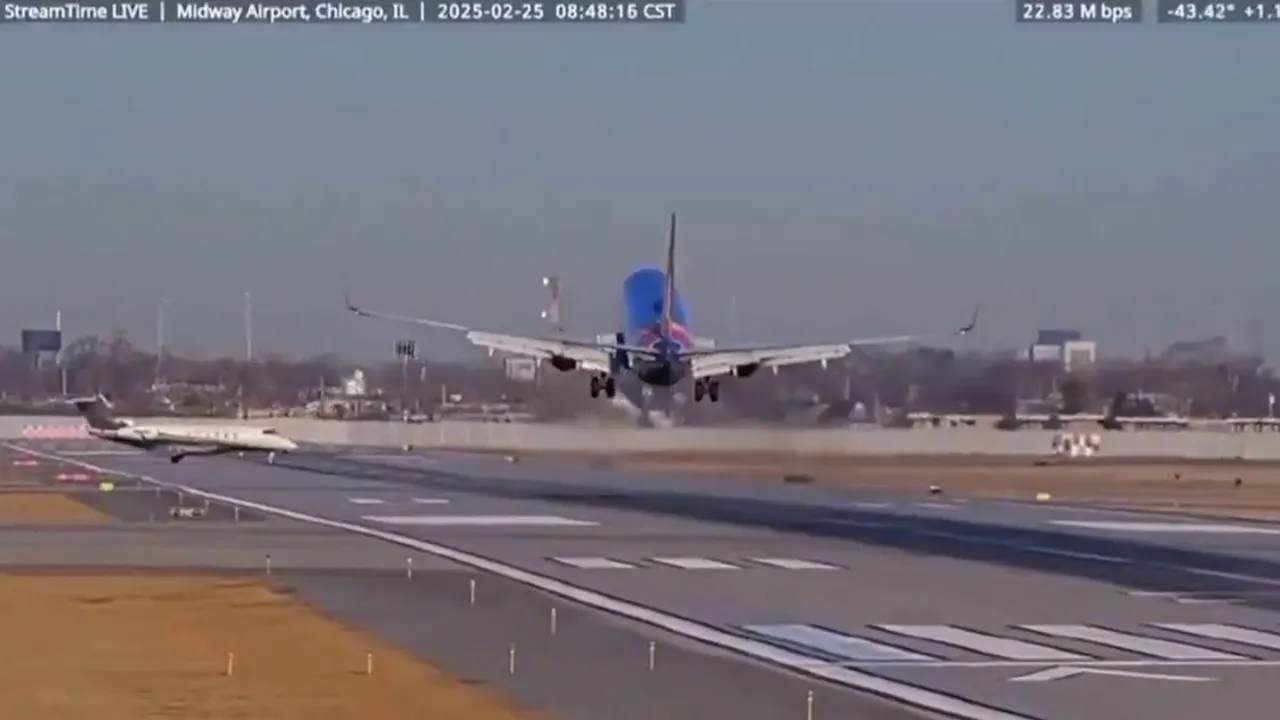
Sun Glare Complicates NTSB Investigation into Chicago Midway Near-Miss Incident
In recent aviation news, an investigation by the National Transportation Safety Board (NTSB) has uncovered that sun glare may have played a significant role in a near-miss incident at Chicago Midway Airport. This troubling revelation raises essential questions about the safety measures currently in place during challenging weather conditions and emphasizes the need for heightened awareness among aviation professionals.
The Incident: What Happened at Chicago Midway?
On a seemingly ordinary day at Chicago Midway Airport, an alarming near-miss incident occurred between two aircraft during their approach to landing. Flight operations were underway when one plane, a commercial airliner, was on a direct descent towards the runway while another was taxiing on a conflicting path. By mere seconds, potential catastrophe was averted as air traffic controllers quickly intervened, guiding both aircraft to safety.
Following the incident, the NTSB launched a thorough investigation, focusing on various factors that could have contributed to this dangerous situation. Among the issues scrutinized, sun glare emerged as a key element, capturing the attention of aviation experts and safety regulators alike.
Understanding the Impact of Sun Glare
Sun glare is often underestimated in aviation safety discussions, yet it can significantly impair a pilot’s ability to see both the runway and surrounding air traffic. During certain times of the day, particularly during sunrise and sunset, the sun can create blinding reflections and obstructions. This phenomenon can lead to reduced visibility and increased risk of operational errors.
- Reduced Visibility: Sun glare can obscure critical visual cues necessary for safe landings and taxiing.
- Disorientation: Pilots may experience difficulty in judging distances and orientations while maneuvering in bright conditions.
- Delayed Reactions: Impaired vision can result in slower response times, increasing the likelihood of miscommunication between pilots and air traffic control.
The recent near-miss at Chicago Midway serves as a stark reminder of how natural elements, such as sun glare, can complicate even the most routine flight operations.
Investigating Safety Measures
The NTSB’s findings prompt a closer examination of existing safety measures at airports, particularly regarding operations during challenging weather conditions. While most airports implement standard procedures for adverse weather, the role of environmental factors like sun glare often goes unaddressed.
Some potential safety measures that could mitigate the risks associated with sun glare include:
- Enhanced Training: Pilots and air traffic controllers should undergo specialized training that focuses on recognizing and managing sun glare conditions.
- Improved Communication: Establishing protocols for enhanced communication between pilots and air traffic control during critical phases of flight could help avoid dangerous situations.
- Runway Positioning: Airports might consider the orientation of runways and taxiways to minimize sun glare during peak times.
- Technology Integration: Implementing advanced cockpit technologies, such as glare-reducing visors or augmented reality displays, could help pilots maintain visibility in challenging conditions.
Historical Context: Similar Incidents
While the Chicago Midway near-miss incident is alarming, it is not an isolated case. Over the years, various incidents involving sun glare have been reported across the aviation industry, leading to injuries and even fatalities. For instance, an accident involving a commercial flight in 2016 exemplified how sun glare can lead to misjudgments during landing approaches.
These incidents underline the importance of ongoing investigations and the need for continuous improvements in aviation safety protocols. As air travel continues to grow, so too must the measures taken to ensure the safety of passengers and crew members.
Looking Ahead: The Future of Aviation Safety
As the NTSB continues its investigation into the Chicago Midway near-miss incident, it is essential for the aviation industry to reflect on the findings and consider how to adapt to the ever-changing environmental factors that impact flight safety. The integration of innovative technologies and the implementation of stricter safety protocols can help mitigate risks associated with sun glare and other challenging conditions.
Moreover, fostering a culture of safety within aviation organizations can empower pilots and crew members to prioritize situational awareness and proactive decision-making. By promoting training programs that emphasize the identification and management of environmental challenges, the industry can work collectively towards preventing future incidents.
Conclusion: Prioritizing Safety in Aviation
The NTSB’s investigation into the near-miss incident at Chicago Midway Airport has brought to light the significant impact of sun glare on aviation safety. As the industry grapples with the implications of this revelation, it is crucial to prioritize the implementation of measures that enhance safety during all weather conditions.
Ultimately, the goal is to ensure that near-miss incidents become a thing of the past. By addressing the complexities posed by natural elements such as sun glare, the aviation community can continue to build a safer future for all who travel by air.
As we move forward, it’s essential to stay vigilant, adapt to new challenges, and continuously strive for excellence in aviation safety to preserve the trust and confidence of millions of passengers worldwide.
See more ABC News Feed


