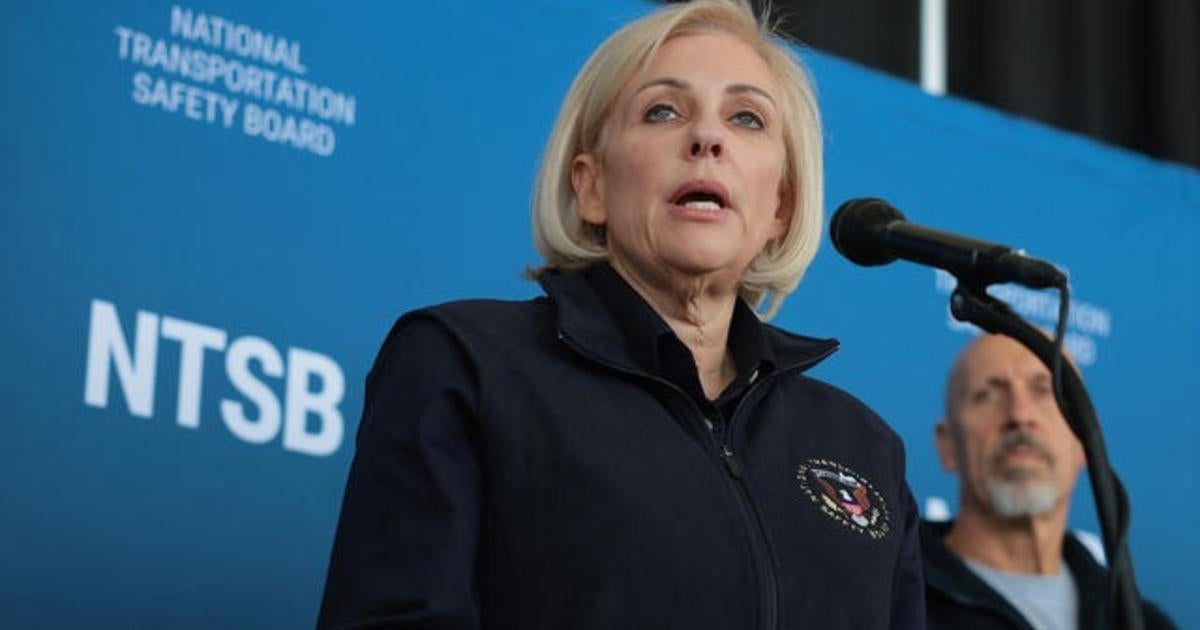
Unraveling the Mystery: Insights from the NTSB Briefing on D.C. Plane Crash
The recent briefing by the National Transportation Safety Board (NTSB) regarding the investigation into the D.C. plane crash has provided critical insights into the complexities surrounding aviation safety. This tragic incident, which resulted in loss of life and significant concern among the public, has prompted a thorough examination of the factors that contributed to this disaster. In this article, we delve into the details discussed during the NTSB briefing, explore the ongoing inquiries, and analyze their implications for aviation safety and regulatory practices.
Understanding the D.C. Plane Crash
The D.C. plane crash, which occurred on [insert date], involved a [insert type of aircraft] that was en route from [insert departure location] to [insert destination]. Shortly after takeoff, the aircraft encountered difficulties, leading to an emergency landing in [insert location]. The NTSB’s initial findings indicate that a series of mechanical failures and potential human errors may have played a significant role in the incident.
As the investigation unfolds, the NTSB has focused on three primary areas:
- Mechanical Failures: Preliminary assessments have suggested that certain critical systems may have malfunctioned.
- Pilot Actions: The role of human decision-making during the emergency is under scrutiny.
- Environmental Factors: Weather conditions and their impact on flight safety are being evaluated.
Key Findings from the NTSB Briefing
During the NTSB briefing, several key findings were presented that will shape the ongoing investigation:
- Flight Data Recorder Insights: The flight data recorder (FDR) has revealed essential information on the aircraft’s performance prior to the crash. This data, which includes altitude, speed, and engine performance metrics, is crucial for understanding what went wrong.
- Maintenance Records Review: Investigators are closely examining the aircraft’s maintenance history to identify any lapses in protocol or recurring issues that may have contributed to the failure of critical systems.
- Witness Testimonies: Eyewitness accounts have provided additional context regarding the aircraft’s behavior during its final moments. These testimonies are invaluable for piecing together the sequence of events leading to the crash.
Ongoing Inquiries and Their Implications
The NTSB’s investigation is ongoing, and several inquiries are set to address unresolved questions:
- Human Factors Analysis: A detailed analysis of pilot training and decision-making processes is underway. Understanding how pilots respond to emergencies is crucial for developing more effective training protocols.
- Regulatory Compliance Checks: The NTSB is scrutinizing whether regulatory compliance was adhered to in terms of maintenance and operational procedures. This may lead to recommendations for stricter regulations in the aviation industry.
- Technology Assessment: The role of technology in preventing similar incidents is being evaluated. This includes examining the reliability of the aircraft’s systems and the potential for introducing new safety technologies.
Impacts on Aviation Safety and Regulatory Practices
The insights gained from the NTSB briefing on the D.C. plane crash are poised to have significant implications for aviation safety and regulatory practices:
- Enhanced Training Programs: As human factors play a crucial role in aviation safety, there may be a push for enhanced training programs focusing on emergency response and decision-making under pressure.
- Increased Regulation and Oversight: The findings may lead to increased regulatory scrutiny of maintenance practices, particularly for older aircraft. This could result in stricter compliance requirements for airlines.
- Focus on Technological Advancements: The NTSB’s investigation may accelerate the adoption of advanced technologies in aircraft design and operation, such as improved monitoring systems and automated safety features.
Community and Industry Reactions
The D.C. plane crash has sparked a wide range of reactions from both the aviation community and the general public. Many industry experts have called for a balanced approach that emphasizes safety without stifling innovation. There is a shared sentiment that while the investigation should lead to meaningful changes, it is equally important to ensure that the industry continues to evolve and adapt to new challenges.
Additionally, community responses have highlighted the emotional impact of such tragedies. Families of victims have expressed their desire for accountability and improvements to prevent future incidents. During the NTSB briefing, representatives emphasized the importance of transparency throughout the investigation process, ensuring that the findings are communicated clearly to the public.
Looking Ahead
As the NTSB continues its investigation into the D.C. plane crash, the aviation community watches closely, understanding that the outcomes will influence future safety protocols and regulations. The commitment to learning from this tragedy is paramount, with the hope that the findings will lead to fewer accidents and enhanced safety for all who travel by air.
In conclusion, the NTSB briefing on the D.C. plane crash has unraveled critical insights into the complexities of aviation safety. Through diligent investigation and analysis, the NTSB aims to address the factors that contributed to this incident, fostering a culture of safety that prioritizes the well-being of passengers and crew alike. By emphasizing the importance of learning from past mistakes, the aviation industry can continue to enhance its safety measures, ensuring that air travel remains one of the safest modes of transportation.
As we await further updates from the NTSB, it is essential for the public and industry stakeholders to remain engaged in discussions about aviation safety. Collective efforts and proactive measures will pave the way for a safer future in air travel.
See more ABC News Feed