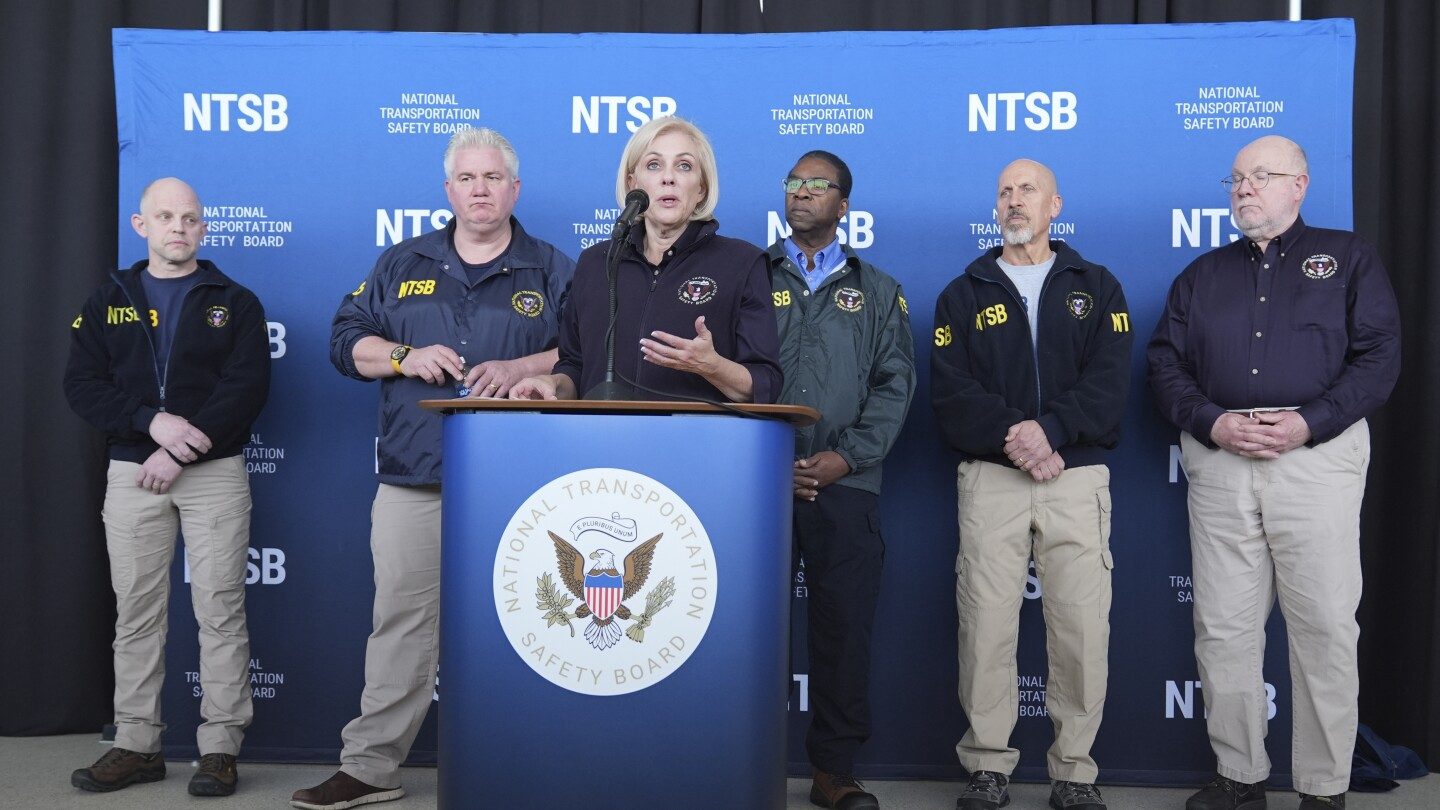
Unraveling the NTSB’s Investigation: Key Findings from the DC Plane Crash
The recent plane crash in Washington, D.C., has sent shockwaves through the aviation community and raised significant questions about aviation safety and regulatory practices. As the National Transportation Safety Board (NTSB) dives deep into its investigation, the insights gained reveal not only the immediate causes of the tragic event but also broader implications that could shape the future of air travel in the United States and beyond. This article explores the NTSB’s findings, the lessons learned, and what they mean for aviation safety going forward.
Understanding the NTSB’s Investigation Process
The NTSB is an independent federal agency tasked with investigating transportation accidents across various modes, including aviation, rail, and highway incidents. When a plane crash occurs, the NTSB deploys a team of specialists to the site to collect evidence, interview witnesses, and analyze data. The process can take months, if not years, to complete, but the findings are crucial for improving safety measures.
In the case of the DC plane crash, the NTSB’s investigation focuses on several key aspects:
- Flight Data Analysis: Investigators analyze cockpit voice recorders and flight data recorders to reconstruct the last moments of the flight.
- Aircraft Maintenance Records: A thorough review of the aircraft’s maintenance history helps identify any mechanical issues that may have contributed to the crash.
- Pilot Training and Experience: Evaluating the qualifications and training of the flight crew is crucial in understanding human factors that may have played a role.
- Weather Conditions: Assessing the weather conditions at the time of the crash is vital, as adverse weather can significantly impact flight safety.
Insights from Preliminary Findings
While the investigation is ongoing, preliminary findings have already begun to emerge. Initial reports suggest that a combination of factors contributed to the crash, highlighting the complexity of aviation safety.
Mechanical Issues and Maintenance Oversight
One of the primary areas of concern raised by investigators is the aircraft’s mechanical condition. The NTSB has indicated that there were several outstanding maintenance issues that had not been addressed by the operators prior to the flight. This has sparked discussions about the regulatory environment surrounding aircraft maintenance and the need for increased scrutiny of maintenance practices within the industry.
Pilot Training and Decision-Making
Another critical aspect of the investigation revolves around pilot training and decision-making processes. The data collected indicates that the flight crew faced a challenging situation that required quick thinking and effective communication. Investigators are looking closely at the training protocols in place and whether they adequately prepared pilots for emergency scenarios.
Environmental Factors
The role of environmental conditions cannot be overlooked. Preliminary weather reports indicate that the area was experiencing low visibility and adverse conditions at the time of the crash. Investigators are examining whether the crew had the necessary tools and information to make informed decisions given the weather, as well as the protocols in place for flying in such conditions.
The Implications for Aviation Safety
The findings from the NTSB’s investigation into the DC plane crash carry significant implications for the aviation industry. These insights may lead to changes in regulations, training programs, and maintenance oversight, ultimately enhancing safety for all passengers. Here are some potential areas of impact:
- Stricter Maintenance Regulations: The investigation could result in more stringent regulations regarding aircraft maintenance, ensuring that all operators adhere to the highest standards of safety.
- Enhanced Pilot Training Programs: Airlines may need to revise their training programs to include more comprehensive scenarios that prepare pilots for emergency situations.
- Improved Weather Information Systems: The need for better real-time weather data for pilots can become a focal point, ensuring they have access to crucial information during critical phases of flight.
Looking to the Future of Air Travel
As the NTSB continues to unravel the details of the DC plane crash, the aviation community must remain vigilant and proactive in addressing the findings. There is an opportunity for industry stakeholders to come together and implement changes that prioritize safety over all else. This proactive stance can foster a culture of continuous improvement within the aviation sector, ultimately leading to safer skies for everyone.
Moreover, the crash serves as a stark reminder of the importance of transparency in the aviation industry. As findings are released, they must be communicated effectively to the public to maintain trust in air travel. Open dialogue about safety protocols and improvements can help reassure passengers that their safety is the top priority for airlines and regulatory bodies alike.
Conclusion
The NTSB’s investigation into the DC plane crash is a crucial step toward understanding the factors that led to this tragedy. As investigators piece together the evidence, the findings will not only shed light on the specific circumstances of the crash but also serve as a catalyst for necessary changes in aviation safety practices. The implications of this inquiry could resonate across the industry, leading to enhanced regulations, better training, and ultimately, a safer flying experience for all. The commitment to learning from such incidents is essential in ensuring that aviation continues to be one of the safest modes of transportation available.
See more ABC News Feed