Catastrophe at Sea: Russian Tanker Breaks Apart, Oil Spill Threatens Kerch Strait
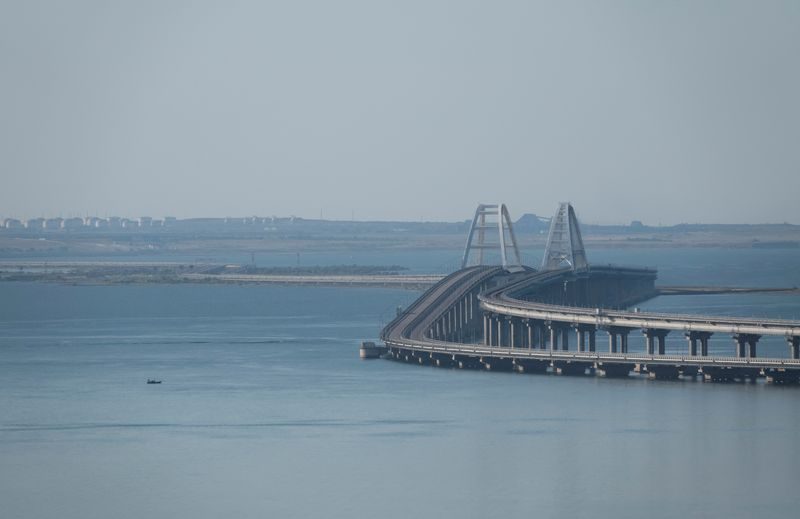
A recent maritime disaster in the Kerch Strait has alarmed environmentalists, local authorities, and maritime experts alike. A Russian oil tanker, caught in a fierce storm, has broken apart, leading to a significant oil spill that threatens the delicate ecosystem of this vital waterway. The Kerch Strait, which connects the Black Sea to the Sea of Azov, is not only a critical route for shipping but also a region rich in biodiversity and economic activity.
The Incident: Timeline and Immediate Response
The incident unfolded during a severe weather event characterized by high winds and turbulent waters. Eyewitness accounts describe the tanker struggling against the elements before it ultimately succumbed to the storm, breaking apart and spilling its cargo into the strait.
In the immediate aftermath of the incident, emergency response teams were deployed to contain the spill and mitigate its effects. Local authorities, including the Russian Ministry of Emergency Situations, have mobilized resources to address the environmental crisis.
- **Initial Response:** Containment booms were deployed around the spill site.
- **Clean-Up Efforts:** Specialized teams equipped with skimmers and absorbent materials were sent to the location.
- **Monitoring:** Ongoing assessments of the spill’s impact on marine life and local fisheries are underway.
Environmental Impact: A Closer Look
The Kerch Strait is home to diverse marine ecosystems, including species of fish, marine mammals, and seabirds. The oil spill poses immediate threats to these organisms and their habitats. Oil can suffocate marine life, disrupt reproductive cycles, and contaminate food sources.
According to environmental experts, the consequences of oil spills can be long-lasting, impacting not just the immediate area but also the broader marine environment. Key concerns include:
- **Toxicity to Marine Life:** Oil is toxic to many forms of marine life, leading to long-term ecological damage.
- **Food Chain Disruption:** Contamination of primary producers like phytoplankton can have cascading effects throughout the food web.
- **Habitat Destruction:** Oil spills can destroy critical habitats such as wetlands and mangroves that serve as nurseries for many fish species.
Economic Repercussions: Local and Global Concerns
The economic implications of the spill extend beyond environmental damage. The Kerch Strait is a crucial shipping route for oil and gas transportation, and disruptions could lead to increased shipping costs and delays. Local fishing industries may face significant losses due to contamination of fish stocks and reduced catch quotas.
Moreover, the spill raises concerns about the potential for international disputes over maritime boundaries and environmental responsibility. The Kerch Strait has been a contentious area in recent years, particularly following geopolitical tensions between Russia and Ukraine. The spill could exacerbate these tensions, leading to a complex interplay of environmental, economic, and political factors.
Maritime Safety and Regulatory Implications
This incident highlights broader concerns regarding maritime safety and the regulatory framework governing shipping operations in the region. While storms can be unpredictable, the shipping industry must adhere to strict safety protocols to minimize risks.
Key aspects of maritime safety that come into play include:
- **Vessel Construction Standards:** The integrity and design of tankers must meet rigorous standards to withstand adverse weather conditions.
- **Emergency Preparedness:** Shipping companies should have comprehensive emergency response plans in place to address potential spills.
- **Regulatory Oversight:** Increased scrutiny from maritime regulatory bodies may be necessary to ensure compliance with safety standards.
Lessons Learned: Preparing for Future Incidents
In the wake of this disaster, it is essential to reflect on the lessons that can be learned to prevent future incidents. Enhanced training for crew members, improved vessel design, and stricter enforcement of maritime regulations are crucial steps toward ensuring safer navigation in the increasingly volatile climate.
Additionally, investment in research and technology to develop more effective oil spill response methods could mitigate the impact of future spills. Collaboration among countries bordering the Black Sea and the Sea of Azov is vital for establishing a coordinated response system for such environmental crises.
Conclusion: A Call to Action
The breakup of the Russian tanker in the Kerch Strait serves as a stark reminder of the vulnerabilities inherent in maritime operations, particularly in a changing climate. As oil seeps into the waters, the immediate focus must be on containment and cleanup. However, the long-term implications for the environment, economy, and international relations necessitate a comprehensive review of maritime practices and policies.
As we move forward, it is imperative that stakeholders, including governments, environmental organizations, and the shipping industry, come together to address the challenges posed by such disasters. Through collaborative efforts, we can work to protect our oceans, preserve marine biodiversity, and ensure the safety of maritime operations for future generations.
See more ABC News Feed