Exodus from the Palisades: Understanding the Potential Shift in Los Angeles Fire Survivors’ Lives
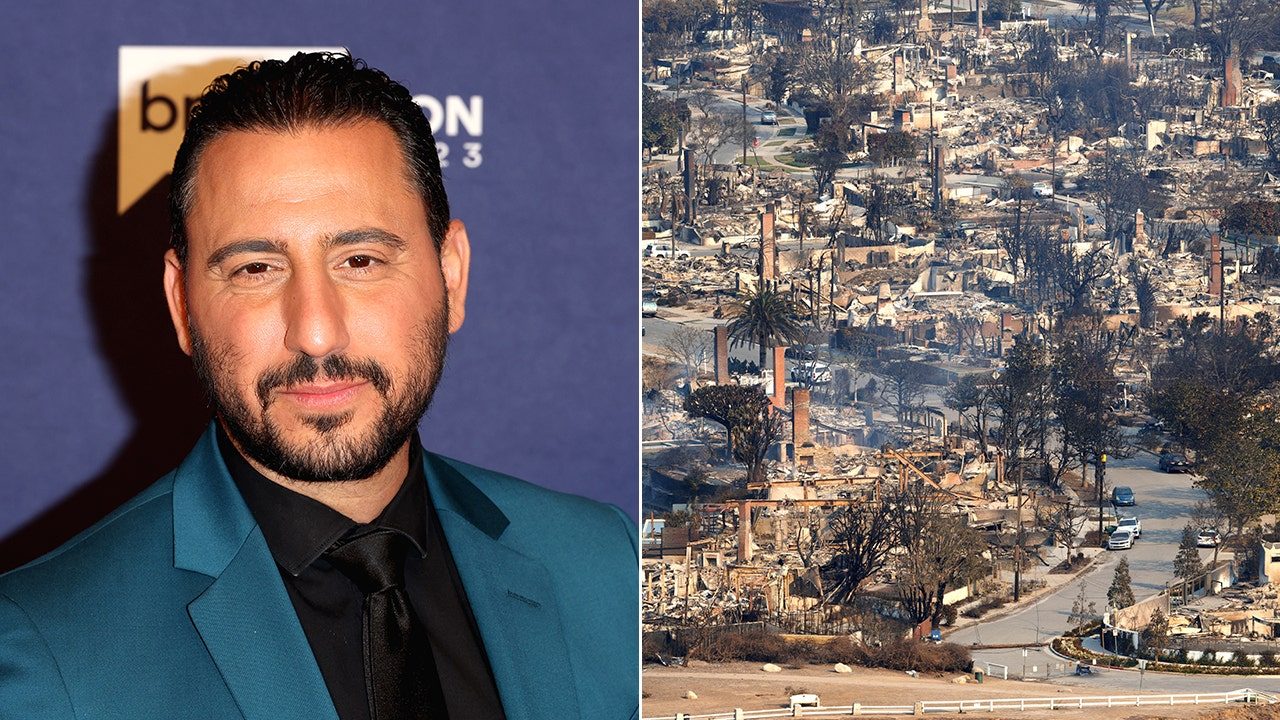
As the ashes from the recent devastating fires in Los Angeles settle, an alarming prediction has emerged: up to 70% of residents in the Palisades may decide not to return. This potential exodus raises critical questions about the future of this once-thriving community. Understanding the implications of this shift is essential for residents, city planners, and policymakers alike. In this article, we delve deep into the factors influencing this potential migration, the emotional and economic ramifications, and what it may mean for the future of the Palisades.
Understanding the Immediate Aftermath of the Fires
The catastrophic fires that swept through Los Angeles not only ravaged the landscape but also left emotional scars on its residents. Communities like the Palisades, known for their stunning views and serene environment, have been dramatically altered. The immediate aftermath saw homes reduced to ashes, cherished landmarks destroyed, and lives disrupted.
For many, home is more than just a physical structure; it embodies memories, relationships, and a sense of belonging. The loss experienced can lead to a profound sense of grief, affecting mental health and community cohesion. In the Palisades, a place where the community spirit was once strong, the devastation has led to a reevaluation of priorities and living situations.
Factors Influencing the Exodus from the Palisades
Several factors contribute to the prediction that a significant number of Palisades residents may choose not to return. Below are some of the most pressing considerations:
- Safety Concerns: One of the primary reasons residents may opt to leave is the fear of future fires. The Palisades, with its dry climate and proximity to nature, poses a risk that many may no longer be willing to accept.
- Insurance and Financial Implications: The financial toll of rebuilding can be overwhelming. Many homeowners may find their insurance policies insufficient to cover the costs of rebuilding or may face skyrocketing premiums, deterring them from returning.
- Emotional Impact: The trauma associated with losing one’s home can lead to long-term mental health issues. For some, the emotional burden may outweigh the desire to return to a place that has become a reminder of loss.
- Changing Lifestyle Preferences: The pandemic has shifted many people’s perspectives on work and home life. With remote work becoming more commonplace, some residents may seek locations that offer a better quality of life, even if that means leaving the Palisades.
The Economic Ramifications of an Exodus
Should a large number of residents choose not to return, the economic implications for the Palisades could be significant. Local businesses, many of which depend on a stable residential population, could face declining revenues. Here are some potential economic impacts:
- Business Closures: Local shops, restaurants, and services may struggle to survive without a steady customer base, leading to closures and job losses.
- Property Values: A decrease in population could lead to a decline in property values, impacting homeowners who wish to sell in the future.
- Tax Revenue: A shrinking community can result in reduced tax revenue for local government, affecting funding for essential services like schools and public safety.
The Emotional and Psychological Toll
The emotional aftermath of the fires extends far beyond the physical destruction. Residents who have lost their homes often experience a range of psychological effects, including anxiety, depression, and post-traumatic stress disorder (PTSD). The uncertainty of the future can exacerbate these feelings, leading many to consider relocation as a means of finding peace.
Support systems within the community play a vital role in recovery. Many residents have turned to local organizations and mental health services for assistance. Community gatherings, support groups, and counseling services can provide a sense of solidarity and hope. However, the question remains: if a significant number choose to leave, will these support networks remain intact?
What Does the Future Hold for the Palisades Community?
While the prospect of losing a large portion of the Palisades community is daunting, there are potential pathways for recovery and revitalization. Here are some strategies that could help rebuild not just homes, but the community spirit:
- Community Engagement: Involving residents in the planning process for rebuilding can foster a sense of ownership and community pride. Town halls and forums can help residents voice their concerns and ideas.
- Investment in Infrastructure: Improving fire safety measures, such as creating defensible spaces and enhancing firefighting resources, can reassure residents about their safety.
- Support for Local Businesses: Initiatives to boost local businesses, such as pop-up markets and community events, can stimulate the economy and encourage residents to return.
Conclusion: A Hopeful Outlook
While the prediction of a 70% exodus from the Palisades is concerning, it is essential to remember that communities are resilient. The shared experiences of loss can foster unity and a collective effort to rebuild. By addressing safety concerns, providing emotional support, and investing in the future, the Palisades can transform this tragedy into an opportunity for renewal.
Ultimately, whether residents return or not, the Palisades will continue to be a part of their stories. The strength of community lies not solely in its numbers but in the connections and shared experiences that bind individuals together. As Los Angeles moves forward from this crisis, the lessons learned can serve as a foundation for a more resilient and vibrant Palisades.
See more ABC News Feed