Unraveling Chaos: The Fatal Encounter of a Pizzagate Gunman in North Carolina
In a shocking incident that has captivated and horrified the nation, a man associated with the notorious Pizzagate conspiracy was fatally shot by police during a routine traffic stop in North Carolina. This tragic event not only highlights the dangerous intersection of conspiracy theories and real-world violence but also raises significant questions about the implications of such beliefs on society and law enforcement.
The Pizzagate Conspiracy: A Brief Overview
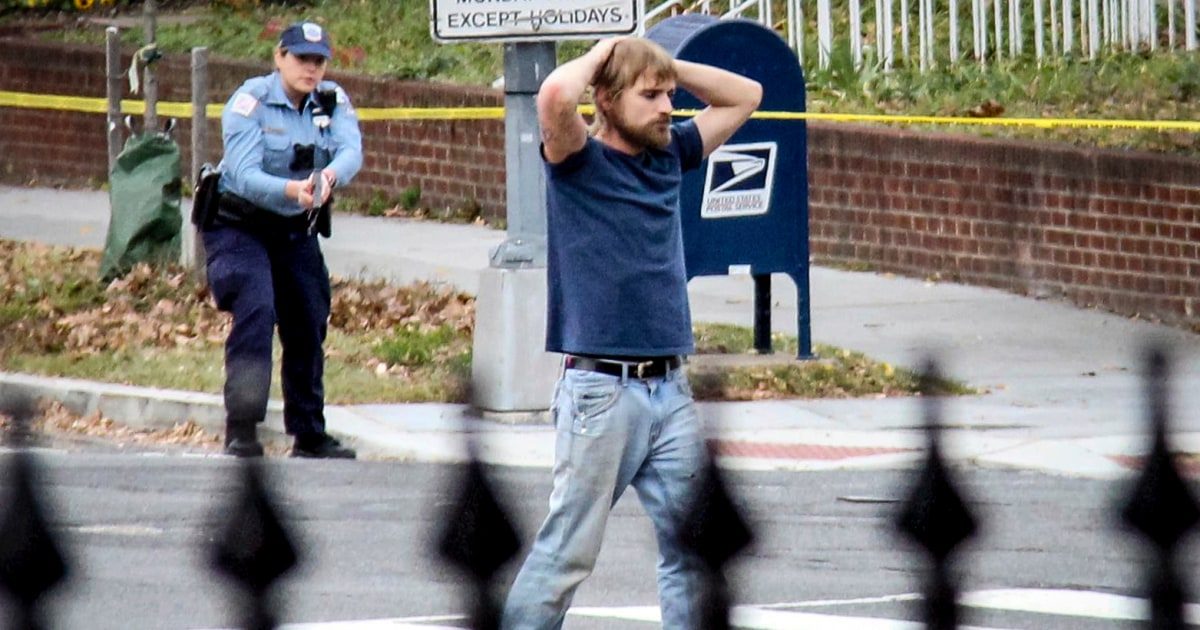
Pizzagate is a debunked conspiracy theory that emerged during the 2016 U.S. presidential election, suggesting that a child trafficking ring involving high-profile politicians and celebrities was being operated out of a Washington D.C. pizzeria. The theory gained traction on social media platforms, leading some individuals to believe in its veracity, despite a lack of credible evidence. The consequences of this conspiracy theory have been dire, as it incited real-world violence, including an infamous incident where a man armed with a rifle entered the pizzeria to “investigate” the claims.
The Fatal Encounter: What Happened?
The recent encounter in North Carolina unfolded during a routine traffic stop when officers spotted a vehicle with suspicious activity. Upon approaching the car, the driver, identified as a known proponent of the Pizzagate conspiracy, exhibited erratic behavior. Reports indicate that the individual failed to comply with police commands, leading to an escalation of the situation. In a split second decision, officers opened fire, resulting in the man’s death.
This tragic incident underscores the volatile nature of individuals deeply entrenched in conspiracy theories. The man’s past associations with Pizzagate and his subsequent actions during the traffic stop paint a concerning picture of how such beliefs can spiral into violence and conflict.
The Implications of Conspiracy Theories on Society
The fatal encounter of a Pizzagate gunman in North Carolina raises essential questions about the impact of conspiracy theories on society at large. These theories can create a dangerous environment where individuals feel justified in taking extreme measures to “uncover the truth.” This mindset can lead to confrontations with law enforcement, as seen in this case.
- Radicalization: Individuals who subscribe to conspiracy theories often find themselves in echo chambers where extreme views are normalized. This radicalization can lead to violent actions, as individuals believe they are acting in the interest of a greater cause.
- Public Safety: The rise of conspiracy theories poses a significant challenge to public safety. Law enforcement agencies are increasingly faced with volatile individuals who may react unpredictably during routine interactions.
- Social Division: Conspiracy theories contribute to societal division, often pitting groups against one another. This polarization can create an atmosphere of distrust and hostility, further complicating community relations.
The Role of Social Media in Amplifying Conspiracy Theories
Social media platforms have played a crucial role in the proliferation of conspiracy theories like Pizzagate. The ability to share information rapidly and without verification allows harmful narratives to gain traction. The algorithms used by these platforms often prioritize sensational content, further fueling the spread of misinformation.
Moreover, the anonymity provided by the internet can embolden individuals to express extreme views or engage in dangerous behaviors without fear of accountability. This digital landscape complicates efforts to combat the harmful effects of conspiracy theories, as misinformation can spread like wildfire before accurate information has a chance to catch up.
Addressing the Threat: Law Enforcement and Community Response
In light of incidents like the fatal encounter in North Carolina, it is imperative for law enforcement agencies to adapt their strategies to address the threats posed by individuals influenced by conspiracy theories. This includes:
- Training Officers: Police departments need to provide training on how to identify and de-escalate situations involving individuals who may be influenced by conspiracy theories. Understanding the mindset and behavior of these individuals can help officers manage encounters more effectively.
- Community Engagement: Building trust within communities can help law enforcement gain valuable intelligence about individuals who may pose a threat. Open communication can prevent misunderstandings and reduce the likelihood of violent encounters.
- Partnerships with Mental Health Professionals: Collaborating with mental health experts can provide law enforcement with additional resources to handle situations involving individuals exhibiting signs of distress or radicalization.
The Importance of Critical Thinking and Media Literacy
As society navigates the complexities of misinformation and conspiracy theories, fostering critical thinking and media literacy becomes paramount. Individuals must be equipped with the tools to evaluate information critically and discern credible sources from dubious ones. Educational institutions, community organizations, and media outlets all have a role to play in promoting these skills.
- Education Initiatives: Schools should incorporate media literacy programs into their curricula, teaching students how to navigate the information landscape effectively.
- Public Awareness Campaigns: Community organizations can launch campaigns aimed at educating the public about the dangers of conspiracy theories and the importance of verifying information before sharing it.
- Encouraging Open Dialogue: Creating safe spaces for discussion can help individuals express their concerns and seek alternative viewpoints, reducing the likelihood of radicalization.
Conclusion: A Call for Awareness and Action
The fatal encounter of a Pizzagate gunman in North Carolina serves as a stark reminder of the real-world consequences of conspiracy theories. As we unravel the chaos that ensues from such beliefs, it is essential to foster a culture of critical thinking, community engagement, and responsible information sharing. By addressing the root causes and implications of conspiracy theories, we can work towards a safer and more informed society, where individuals are equipped to discern fact from fiction and engage in constructive dialogue.
In doing so, we honor the memory of those affected by violence fueled by misinformation and take proactive steps to prevent further tragedies. The intersection of conspiracy theories and violence is a complex issue that requires collective action and a commitment to truth and understanding.
See more ABC News Feed