Unraveling the Mystery: Insights from a Former Black Hawk Pilot on the D.C. Plane Crash
In the heart of Washington, D.C., a tragic plane crash recently unfolded, raising critical questions about aviation safety and emergency protocols. As news outlets scrambled to provide updates, a former Black Hawk pilot stepped forward, eager to share his unique perspective on the incident. With years of experience in high-stakes aviation, he offers valuable insights into the complexities surrounding such emergencies. This article delves deep into his analysis, examining the nuances of pilot decision-making, safety protocols, and the broader implications for aviation as a whole.
Understanding the Incident: A Brief Overview
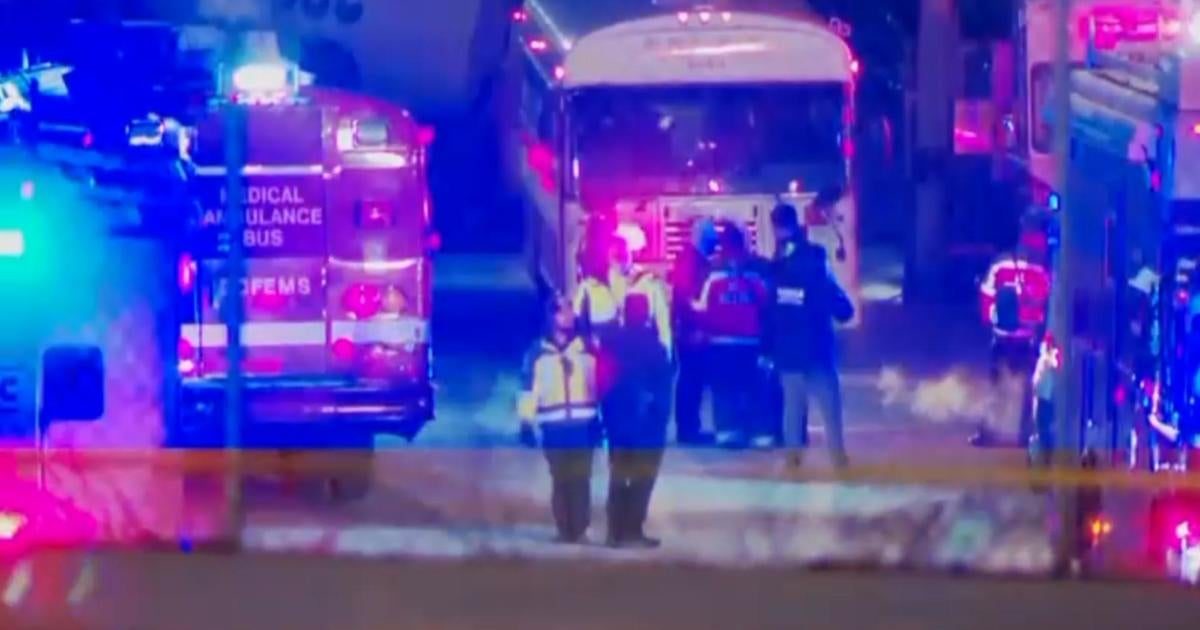
The crash, which occurred near a busy area of the city, involved a small private aircraft. Initial reports indicated that the pilot may have faced mechanical issues, leading to a rapid descent and subsequent impact. Eyewitnesses described a scene of confusion and chaos as emergency responders rushed to the site, highlighting the urgency of the situation.
For many, the details of the crash may seem distant or abstract. However, for those like our former Black Hawk pilot, the incident resonates on a much deeper level. Having flown in demanding environments, he understands the pressures pilots face when navigating unexpected crises.
Insights from a Former Black Hawk Pilot
The former Black Hawk pilot, who prefers to remain anonymous for this discussion, shared several key insights regarding the D.C. plane crash:
- Training Matters: The pilot emphasized that rigorous training is vital for successful navigation during emergencies. “In aviation, as in life, preparation is key,” he noted. “Pilots undergo extensive training to handle a variety of scenarios, but real-life situations can still be unpredictable.” His experience highlights the importance of continuous training and simulation exercises to keep skills sharp.
- Decision-Making Under Pressure: One of the most critical aspects of aviation emergencies is decision-making. The former pilot explained that when faced with a crisis, pilots must quickly assess the situation, weigh their options, and execute a plan. “Every second counts,” he said. “Pilots often have to make split-second decisions that can mean the difference between life and death.” This underscores the need for pilots to remain calm and collected, even in the most harrowing circumstances.
- The Role of Technology: Modern aircraft are equipped with advanced technology designed to assist pilots during emergencies. The former pilot acknowledged the benefits of these systems but also cautioned against over-reliance. “Technology can fail, and pilots must be prepared to revert to their training,” he stated. This serves as a reminder that while innovation enhances safety, the human element remains crucial.
- Communication is Key: Effective communication among crew members, air traffic control, and emergency responders is essential during an aviation crisis. “Clear communication can save lives,” he remarked. The pilot stressed the importance of establishing a communication protocol that can be followed even in chaotic situations, ensuring everyone is on the same page.
Analyzing Safety Protocols
In light of the D.C. plane crash, it is imperative to scrutinize existing safety protocols and their effectiveness. The former Black Hawk pilot raised several questions regarding current aviation regulations:
- Are Safety Checks Comprehensive Enough? The pilot pointed out that while pre-flight checks are standard practice, the thoroughness of these checks can vary. “Aircraft must be in peak condition before takeoff, and any mechanical issues should be addressed immediately,” he explained. This highlights the need for stringent enforcement of safety checks to prevent similar incidents.
- How Prepared Are Pilots for Emergencies? The pilot questioned the adequacy of training programs in preparing pilots for real-world emergencies. He believes that simulation training should incorporate more scenarios that reflect the unpredictability of actual flights. “We need to prepare pilots for the worst-case scenarios, not just the textbook situations,” he asserted.
- What Role Does Mental Health Play? The former pilot also touched on the psychological aspects of flying. “Mental health is often overlooked in aviation, but it can significantly impact decision-making,” he stated. He advocated for more robust mental health support for pilots to ensure they are fit to fly, especially in high-pressure environments.
The Importance of Learning from Incidents
Every aviation accident serves as a learning opportunity. The former Black Hawk pilot emphasized the importance of analyzing incidents like the D.C. plane crash to improve safety protocols and training methods. “We owe it to those affected to ensure that we learn from these tragedies,” he said. This sentiment resonates with the aviation community, which continually seeks to enhance safety measures.
In the wake of the crash, regulatory bodies must take action. Investigations should focus on understanding the root causes of the accident, with findings disseminated widely to educate pilots and enhance safety protocols. By fostering a culture of transparency and accountability, the aviation industry can work towards preventing future incidents.
Looking Ahead: The Future of Aviation Safety
As we reflect on the D.C. plane crash and the insights shared by the former Black Hawk pilot, it becomes clear that the aviation industry stands at a crossroads. The combination of rigorous training, effective communication, and advanced technology can create a safer flying environment. However, the success of these measures hinges on a commitment to continuous improvement and learning.
Ultimately, the goal is to ensure that every flight is as safe as possible. By prioritizing pilot training, enhancing safety protocols, and addressing mental health concerns, the aviation community can work together to mitigate risks and safeguard lives.
Conclusion
The D.C. plane crash serves as a poignant reminder of the complexities of aviation and the critical role pilots play in ensuring safety. Insights from experienced professionals like our former Black Hawk pilot provide invaluable perspectives that can help shape the future of aviation. As the industry reflects on this tragic event, it must remain steadfast in its commitment to learning and improving, ensuring that all flights are safe and secure.
In the words of the former pilot, “Aviation is not just about flying; it’s about responsibility for the lives of those on board and those on the ground.” Let this be a guiding principle as we move forward, striving for excellence in flight safety.
See more ABC News Feed


