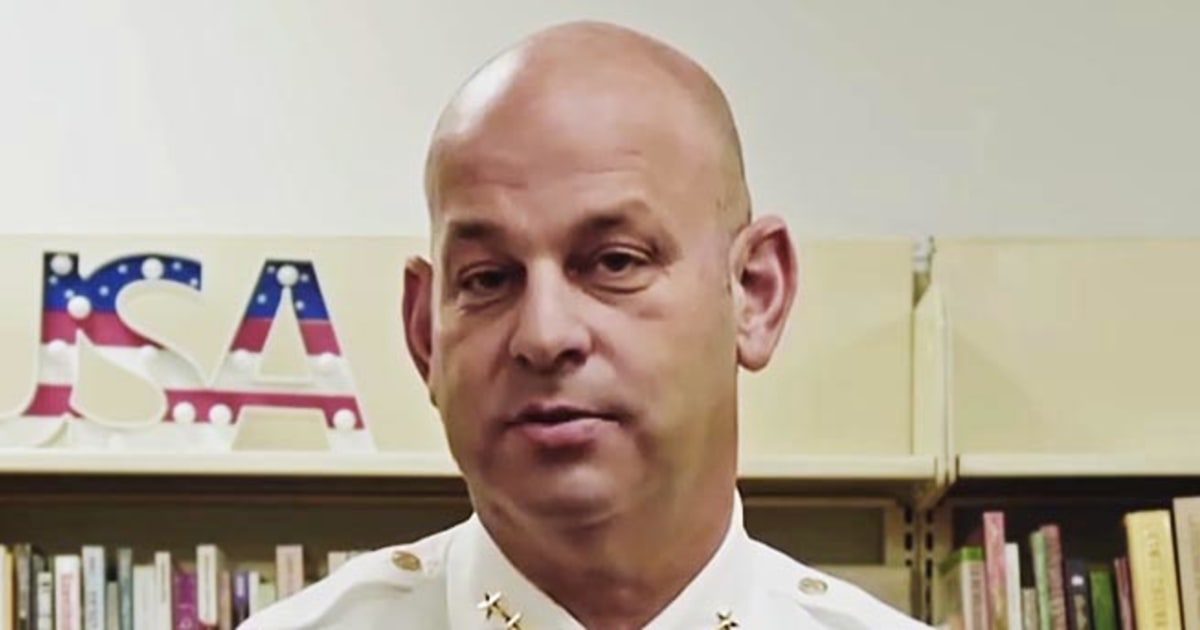
Controversy Erupts as N.J. Police Chief Faces Allegations of Misconduct
In recent weeks, a storm of controversy has engulfed a police chief in New Jersey, accused of transforming his department into a chaotic environment likened to the raucous and disorderly antics of “Animal House.” These serious allegations raise significant questions about leadership, accountability, and the overall integrity of law enforcement practices in the area. As communities grapple with trust issues surrounding their police departments, this case serves as a stark reminder of the challenges facing law enforcement in maintaining professionalism and ethical standards.
The Allegations: A Breakdown of the Claims
The allegations against the New Jersey police chief span a variety of misconduct claims. Sources reveal that the chief has been accused of fostering an environment where inappropriate behavior, including harassment and misconduct, has become normalized among officers. Witness testimonies and internal reports suggest that the chief’s leadership style may have led to a culture of impunity, where officers felt emboldened to engage in unprofessional conduct without fear of repercussions.
- Disregard for Professionalism: Officers reportedly engaged in reckless behavior, including excessive drinking during work hours and inappropriate interactions with community members.
- Harassment Claims: Several female officers and community members have come forward with allegations of harassment, citing a work environment that has become increasingly hostile.
- Failure to Act: Many claim the police chief turned a blind eye to these issues, failing to address complaints and allowing a culture of misconduct to thrive.
The implications of these allegations are profound. They not only impact the officers involved but also erode public trust in law enforcement, which is critical for community safety and cooperation.
Understanding the Impact on Community Trust
Community trust in police departments is paramount. When allegations like those against the New Jersey police chief surface, they can have far-reaching consequences. Trust can be easily shattered, and rebuilding it is often a lengthy and complicated process. Here are some potential impacts:
- Increased Tension: Communities may experience heightened tensions with law enforcement, leading to a breakdown in communication and cooperation.
- Public Protests: Allegations of misconduct can lead to public outcry, demonstrations, and calls for accountability, which may further strain community-police relations.
- Recruitment Challenges: A tarnished reputation can make it challenging for departments to recruit new officers, as potential candidates may be deterred by the negative perception.
To address these issues, it is essential for law enforcement agencies to prioritize transparency, accountability, and community engagement. Ensuring that officers are held to high standards of conduct is vital for restoring public trust.
Leadership and Accountability: Lessons to Be Learned
The situation surrounding the New Jersey police chief serves as a critical case study in the importance of effective leadership and accountability within law enforcement. Here are a few lessons that can be drawn:
- Establish Clear Policies: Departments should have clear, enforced policies regarding professional conduct and harassment, ensuring all officers understand the consequences of their actions.
- Encourage Reporting: Creating a safe and anonymous reporting process for misconduct can empower officers and community members to come forward without fear of retribution.
- Training and Development: Regular training on ethics, professionalism, and community relations can help foster a culture of respect and accountability within police departments.
Implementing these practices can help mitigate the risks of misconduct, promoting a healthy and professional work environment that serves the community effectively.
The Role of the Community in Law Enforcement Oversight
As the controversy unfolds, the role of the community becomes increasingly important. Community members have a critical part to play in holding law enforcement accountable and ensuring that their voices are heard. Here are ways communities can engage:
- Participate in Oversight Committees: Many towns have civilian review boards that allow community members to participate in oversight and provide feedback on police practices.
- Engage in Dialogue: Open forums and town halls can provide platforms for community members to express their concerns, ask questions, and demand accountability from their police departments.
- Support Transparency Initiatives: Community members can advocate for policies that promote transparency, such as body cameras and public access to police reports and operations.
By actively participating in these processes, communities can help shape the future of their police departments and foster an environment of trust and accountability.
Moving Forward: The Path to Restoration
As the investigation into the New Jersey police chief continues, it is essential for all parties involved to approach the situation with a focus on restoration and improvement. Acknowledging the issues at hand and taking proactive steps to address them can lead to meaningful change. Key points to consider include:
- Open Investigations: Authorities must conduct thorough and impartial investigations into the allegations, ensuring that all voices are heard and justice is served.
- Community Engagement Initiatives: Police departments should actively seek to rebuild trust through community engagement initiatives, including outreach programs and public forums.
- Reform Efforts: Implementing reforms based on the findings of investigations can prevent future misconduct and strengthen the department’s integrity.
Ultimately, the controversy surrounding the New Jersey police chief is more than just a local issue; it reflects a broader conversation about the role of law enforcement in society and the necessity for accountability, professionalism, and community trust. As the situation develops, it will be crucial for all stakeholders—police, community members, and leadership—to work collaboratively toward a more just and effective law enforcement system.
See more ABC News Feed