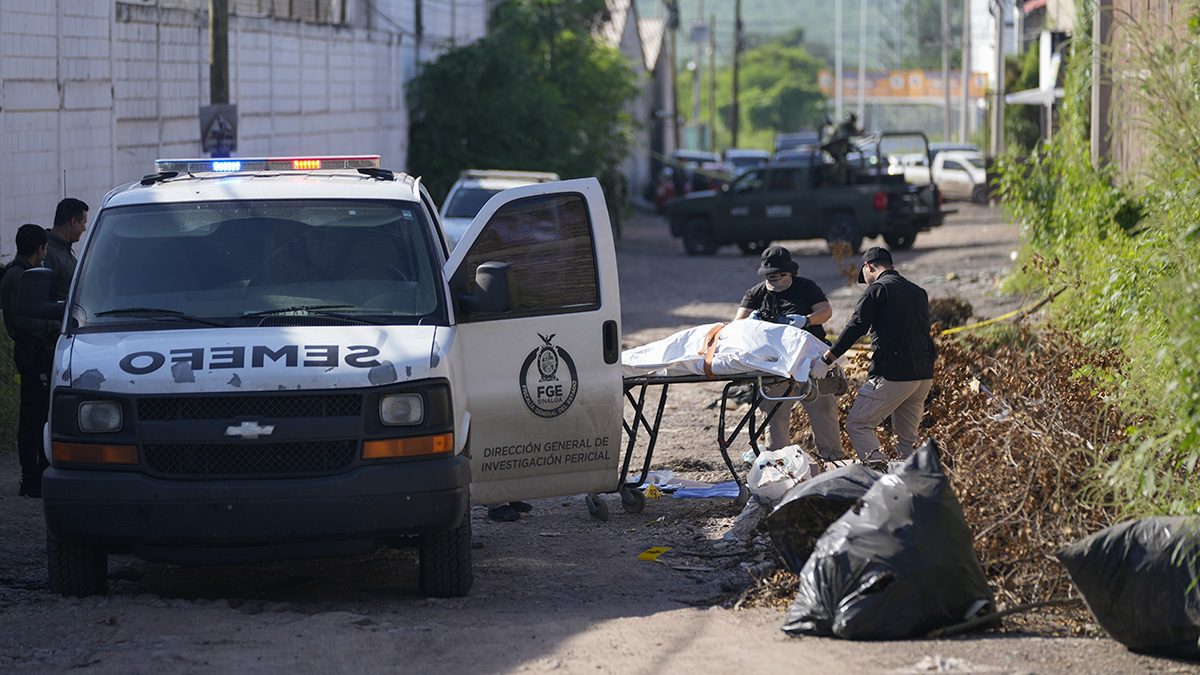
Gruesome Discovery: Tortured Police Officer Found in Tabasco
A shocking incident has unfolded in Tabasco, Mexico, where the body of a police officer, reported missing days earlier, was discovered with harrowing signs of torture. This chilling event has sent ripples of fear and outrage through the community, raising serious concerns about the ongoing violence faced by law enforcement in the region. It highlights a troubling trend of escalating attacks on police forces, which are increasingly becoming targets in a war against organized crime.
The Context of Violence in Tabasco
Tabasco, a state rich in natural resources and cultural heritage, has not been immune to the violence that plagues many regions of Mexico. Over the past decade, drug cartels and organized crime syndicates have expanded their influence, leading to a surge in violent crime, including targeted attacks on police officers. The state has witnessed a notable increase in the number of law enforcement personnel being attacked, abducted, or even killed.
In recent years, police officers have found themselves in a precarious position, often caught between the demands of their duties and the threats posed by criminal organizations. This particular incident underscores the dangers faced by those who wear the badge in Tabasco and beyond.
The Discovery of the Police Officer
According to local authorities, the police officer, whose identity has not yet been revealed, was reported missing after not returning home following his shift. Family members and colleagues raised the alarm, prompting a search that ended tragically with the discovery of his body in a rural area of Tabasco. The findings were nothing short of gruesome; the officer showed clear signs of torture, which has prompted widespread condemnation and calls for justice.
This discovery has not only shocked the local community but has also reignited discussions about the safety of police officers in Mexico. The gruesome nature of the crime illustrates a deliberate message to law enforcement: that those who stand against the tide of crime may pay the ultimate price.
Impact on Law Enforcement Morale
The murder of a police officer can have a devastating impact on the morale of law enforcement agencies. Officers may feel increasingly vulnerable and less supported, leading to a potential decline in effectiveness. The fear of being targeted can also deter new recruits, exacerbating the ongoing issue of staffing shortages within police departments.
- Fear for Personal Safety: Officers may hesitate to take decisive action during operations, fearing retaliation.
- Recruitment Challenges: High-profile incidents can discourage potential candidates from pursuing a career in law enforcement.
- Community Trust: The perception of danger can lead to a breakdown in trust between the police and the communities they serve.
Government Response and Community Support
In the wake of this tragic discovery, local government officials have vowed to take action. They have promised to enhance security measures for police officers and increase efforts to combat organized crime. However, the effectiveness of these measures remains to be seen, as previous initiatives have often fallen short.
Community support for law enforcement is critical in times like these. Grassroots movements and community organizations can play a vital role in fostering trust and cooperation between citizens and police. Programs aimed at community policing, where officers work closely with residents to build relationships, can help bridge the gap created by violence.
Understanding the Root Causes of Violence
To effectively address the violence faced by police officers in Tabasco and throughout Mexico, it’s crucial to understand the underlying causes. Several factors contribute to this troubling trend:
- Drug Trafficking: The lucrative drug trade has fueled violence, as rival gangs fight for control over territories.
- Corruption: Corruption within law enforcement and government can undermine efforts to combat crime.
- Poverty and Lack of Opportunities: High levels of poverty can lead individuals to join criminal organizations as a means of survival.
By addressing these root causes, policymakers and community leaders can work towards creating a safer environment for both law enforcement and citizens alike.
The Role of Society in Combating Violence
Society plays a crucial role in combating violence against police officers and promoting a culture of respect for law and order. Citizens can contribute in several ways:
- Reporting Crimes: Encouraging community members to report crimes and suspicious activities can help law enforcement act swiftly.
- Supporting Police Initiatives: Engaging in community programs that support police efforts can help build trust.
- Advocating for Policy Change: Citizens can demand accountability and transparency from their government to ensure effective crime prevention strategies.
Looking Ahead: Hope for Change
While the recent discovery of the tortured police officer in Tabasco is a grim reminder of the dangers faced by law enforcement, it also serves as a call to action. The community, government, and law enforcement must come together to address the violence that permeates the region. Through collaborative efforts, there is hope for positive change.
In conclusion, as the investigation into this tragic incident unfolds, it is imperative that we keep the spotlight on the issues that contribute to violence against police officers. By fostering a culture of respect, accountability, and community engagement, we can strive towards a safer future for all, where law enforcement can carry out their duties without fear of violence or reprisal.
See more ABC News Feed


