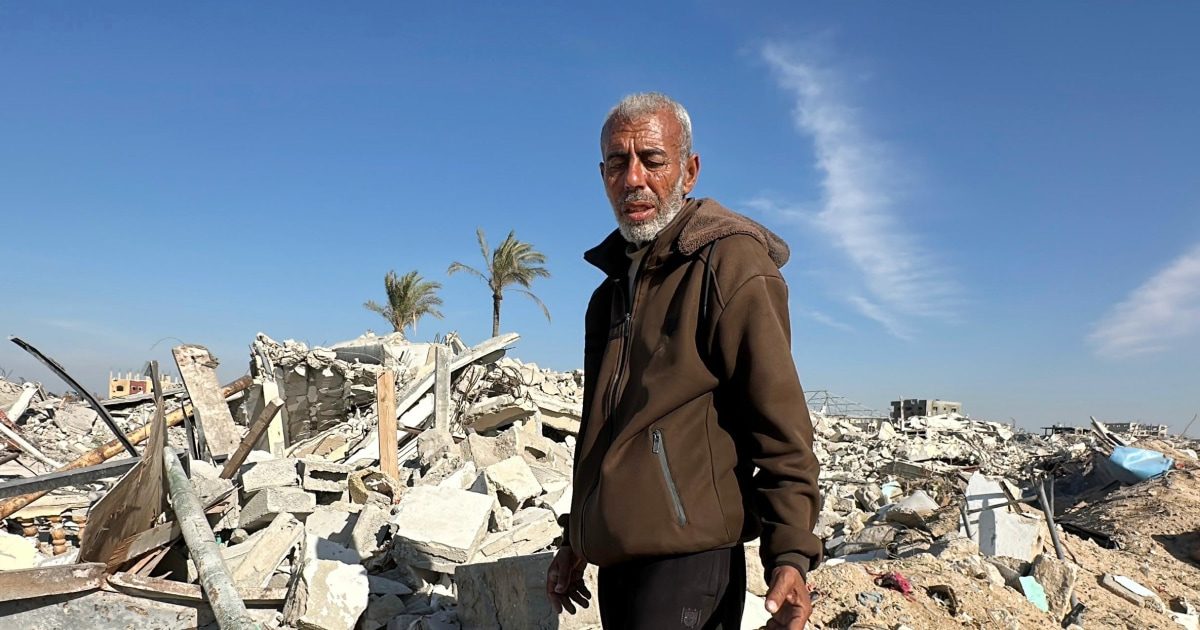
Rebuilding Rafah: A Daunting Journey Amidst Destruction
In the aftermath of Israel’s devastating bombings, the city of Rafah, located in the southern Gaza Strip, stands at a crossroads. The destruction left in the wake of these attacks is not merely physical; it has reverberated through the lives of its inhabitants, who are now faced with the immense challenge of recovery and reconstruction. As the dust settles, Rafah must navigate the complex landscape of rebuilding, fraught with obstacles yet brimming with hope.
The Immediate Aftermath: Assessing the Damage
The initial bombings have left Rafah’s infrastructure in ruins. Roads lie in disrepair, buildings have been reduced to rubble, and essential services have been severely disrupted. According to local reports, over 20,000 housing units were either completely destroyed or rendered uninhabitable. This has forced families into overcrowded shelters, exacerbating the humanitarian crisis already facing the region.
Furthermore, essential services such as water, electricity, and healthcare are crippled. Many residents are now reliant on humanitarian aid, and the UN Relief and Works Agency (UNRWA) has been inundated with requests for assistance. The scale of destruction presents a daunting challenge: how to rebuild a community that has already endured so much suffering?
Economic Challenges to Rebuilding Rafah
Reconstruction in Rafah faces significant economic hurdles. The blockade imposed on Gaza for over a decade has severely limited access to materials and investment. Even before the bombings, Rafah’s economy was fragile, reliant on agriculture, small businesses, and limited cross-border trade.
As the city seeks to rebuild, access to construction materials is critical. However, the ongoing blockade and restrictions on imports mean that essential supplies such as cement, steel, and other building materials are scarce. This scarcity not only drives prices up but also slows down the pace of reconstruction. Local contractors face a daunting task as they attempt to rebuild homes and infrastructure under these conditions.
The Role of International Aid and NGOs
In light of the overwhelming destruction, international aid and non-governmental organizations (NGOs) play a pivotal role in Rafah’s recovery. Numerous organizations have stepped in to provide immediate relief, including food, shelter, and medical assistance. The challenge, however, lies in transitioning from emergency aid to long-term reconstruction efforts.
- UNRWA: The UN agency has been pivotal in providing basic services and support to displaced families.
- International NGOs: Numerous organizations like Médecins Sans Frontières (Doctors Without Borders) and the Red Cross are delivering emergency healthcare and supplies.
- Local NGOs: Grassroots organizations are also stepping up, focusing on community-led initiatives that prioritize rebuilding local infrastructure and economies.
While these organizations are crucial, the long-term success of rebuilding Rafah depends on sustainable development efforts that empower the local economy and community. Donor fatigue is a real concern, and sustained international support will be essential for lasting change.
Community Resilience and Hope
Despite the overwhelming challenges, the spirit of Rafah’s residents is unyielding. Community resilience has been a hallmark of life in Gaza. People are coming together to support one another, sharing resources, and helping their neighbors rebuild. Local leaders emphasize the importance of unity and collective action in the face of adversity.
Initiatives driven by community members are already underway. For instance, local workshops are being organized to teach skills related to construction and repair work. These efforts not only provide immediate employment opportunities but also foster a sense of agency among residents as they take an active role in rebuilding their lives.
The Path to Sustainable Reconstruction
Rebuilding Rafah offers a unique opportunity to rethink urban planning and create a more sustainable future. As construction efforts begin, city planners and community leaders are advocating for designs that consider climate resilience and social equity. This approach could lead to a more robust infrastructure that can withstand future challenges.
- Green Building Practices: Incorporating sustainable materials and energy-efficient designs could reduce future vulnerabilities.
- Community Spaces: Planning for parks, community centers, and recreational facilities can foster social cohesion.
- Economic Diversification: Encouraging small businesses and local entrepreneurship will create a more resilient economy.
Moreover, engaging the youth in the rebuilding process ensures that the next generation is invested in their community’s future. Educational programs focusing on construction, engineering, and environmental sustainability can empower young people and provide them with the skills needed to contribute to Rafah’s revitalization.
Conclusion: A Daunting Journey Ahead
As Rafah confronts the daunting journey of rebuilding amidst destruction, the path ahead is fraught with challenges but also rich with possibilities. The resilience of its people, combined with thoughtful planning and sustained international support, could lead to a revitalized community that stands as a testament to hope and perseverance.
In the face of adversity, Rafah’s spirit remains unbroken. With each stone laid in the reconstruction efforts, the city takes a step closer to recovery, not just physically but also emotionally and socially. The journey to rebuild Rafah is indeed a daunting one, but it is a journey that must be undertaken, for the future of its people hangs in the balance.
See more ABC News Feed