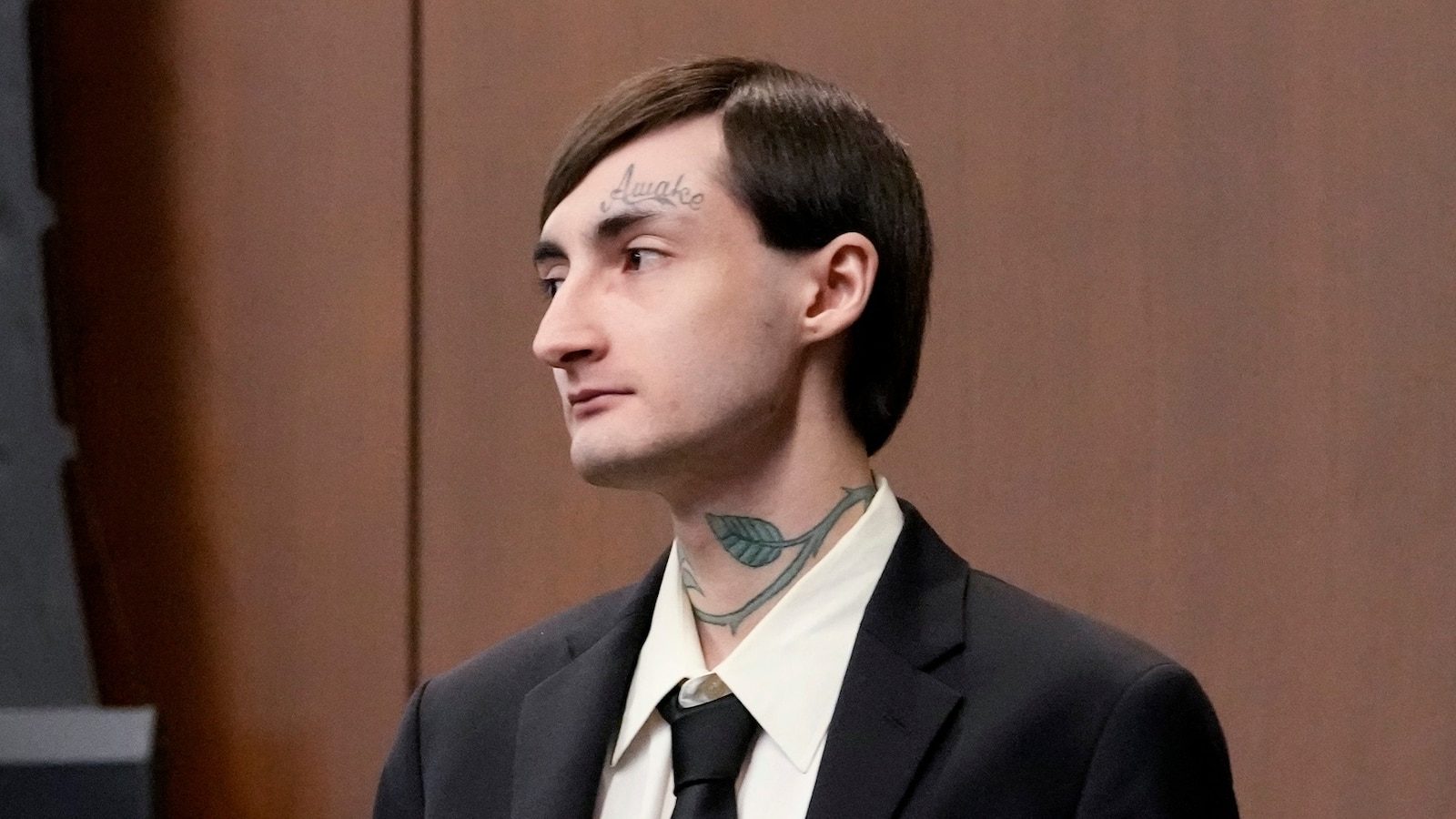
Robert Crimo III Shifts Gears: A Surprising Guilty Plea Before Trial Begins
In a dramatic and unexpected twist, Robert Crimo III has opted to change his plea to guilty just as his trial for the Highland Park parade shooting was set to commence. This decision has sent shockwaves through the legal community, the media, and the public alike, raising significant questions about his motivations and the broader implications for the legal proceedings ahead.
The Context of the Case
The tragic event that brought Robert Crimo III into the national spotlight occurred during a Fourth of July parade in Highland Park, Illinois. In an act of violence that left several individuals dead and many more injured, Crimo’s actions ignited not only a local crisis but also intensified the ongoing national conversation about gun control and public safety.
As details emerged about Crimo’s background, mental health, and the events leading up to the shooting, the case drew widespread media attention. Crimo, who was 21 at the time of the shooting, was charged with multiple counts of first-degree murder, among other charges. His trial was expected to explore the complexities of his mental state, the motivations behind his actions, and the societal factors that may have contributed to the tragedy.
Understanding the Guilty Plea
Crimo’s decision to plead guilty, just days before the trial was set to begin, has raised eyebrows across the board. Legal experts are now considering the potential reasons behind this surprising shift in strategy. Here are several perspectives on what might have influenced his decision:
- Legal Strategy: Crimo’s legal team may have recognized the overwhelming evidence against him and advised that a guilty plea could lead to a more lenient sentence than if he were to go to trial and potentially face life in prison.
- Mental Health Considerations: Given the nature of the crime and Crimo’s history, his mental health may have played a critical role in his decision. A guilty plea might allow for a focus on mental health issues during sentencing.
- Emotional Toll: The emotional burden of a public trial could have been daunting for Crimo, leading him to seek closure through a guilty plea rather than prolonging the emotional distress for himself and the victims’ families.
Implications for Legal Proceedings
With this unexpected plea, the legal proceedings will inevitably shift. Here are some potential implications:
- Victims’ Families: A guilty plea may provide some measure of closure for the families affected by the shooting, allowing them to avoid the trauma of a lengthy trial.
- Sentencing Phase: The focus will now turn to the sentencing phase, where arguments can be made regarding Crimo’s mental health and the mitigating factors that may affect his punishment.
- Public Discourse: This case will likely continue to fuel discussions on gun violence, mental health, and the legal system’s handling of similar cases, as Crimo’s plea could set precedents for future cases.
Public Reaction and Societal Impact
The public’s reaction to Crimo’s guilty plea has been mixed. Many community members and activists have expressed a sense of relief, believing that this decision might serve as a step toward healing for the Highland Park community. Others, however, are concerned that a guilty plea may not address the broader societal issues that contribute to gun violence.
Moreover, advocacy groups are likely to intensify their efforts, using this case as a rallying point for discussions on mental health support, gun control legislation, and community safety initiatives. The decision may also prompt lawmakers to consider changes in how such cases are prosecuted, particularly regarding mental health considerations in sentencing.
The Role of Mental Health in Criminal Cases
Crimo’s case brings to the forefront the critical intersection of mental health and criminal justice. As reports suggest that Crimo had a history of mental health struggles, his plea may open discussions about how the legal system can better accommodate individuals with mental health issues. This includes:
- Improved Access to Mental Health Services: Advocates argue that more comprehensive mental health services could prevent individuals from reaching a breaking point where violence seems like the only option.
- Legal Reforms: There may be calls for reforms in how the legal system approaches defendants with documented mental health issues, ensuring they receive appropriate evaluations and support.
The Future: What Lies Ahead?
As the legal community and the public digest the implications of Robert Crimo III’s surprising guilty plea, several questions remain. How will this affect the legal landscape for similar cases? What lessons can be learned to prevent future tragedies?
In the coming months, the focus will likely shift to the sentencing phase, where Crimo’s legal team will present arguments regarding his mental health and seek to influence the court’s decision on his punishment. The outcome may set significant precedents for how similar cases are handled in the future.
Conclusion
Robert Crimo III’s decision to plead guilty has undoubtedly changed the trajectory of his case and sparked essential conversations about mental health, public safety, and the legal system. While the immediate implications are still unfolding, the broader impact of his plea will resonate within the community and beyond, prompting necessary discussions about prevention, support, and justice in the face of tragic violence.
As society continues to grapple with the issues of gun violence and mental health, the hope is that this case can be a catalyst for meaningful change, helping to ensure that such tragedies are prevented in the future.
See more ABC News Feed