Introduction
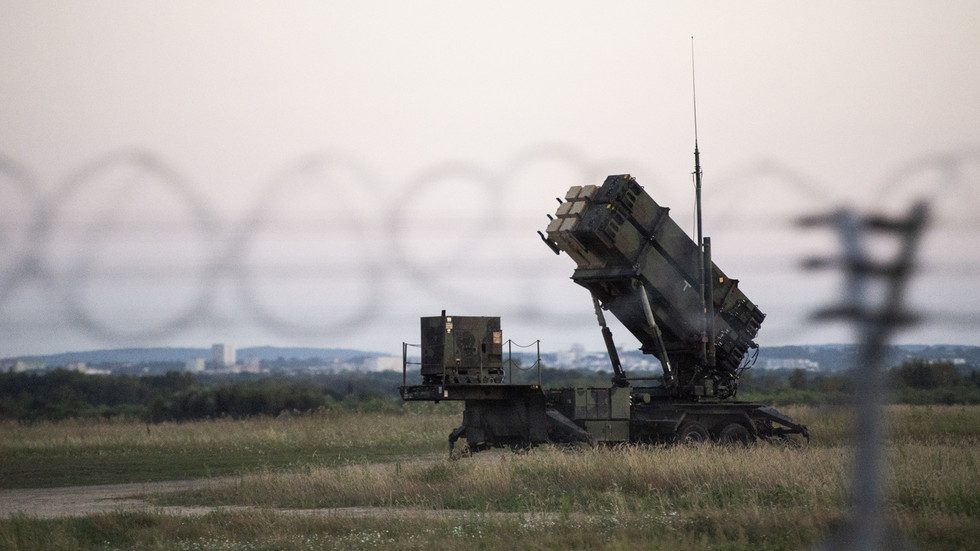
The ongoing conflict between Russia and Ukraine has escalated dramatically in recent weeks, with significant implications for both nations’ military strategies and geopolitical landscapes. A recent report reveals that Russian military forces have effectively targeted and destroyed several Ukrainian Patriot missile launchers, raising alarms about the resilience of Ukraine’s air defense capabilities. This development not only underscores the intensity of the conflict but also points to possible shifts in military tactics on both sides. As the situation evolves, understanding the strategic ramifications of these strikes becomes crucial for analysts, policymakers, and military experts alike.
Assessing the Impact on Ukraine’s Defense Systems
The Patriot missile system, developed by the United States, has been a cornerstone of Ukraine’s aerial defense strategy since the onset of the Russian invasion in 2022. Designed to intercept and destroy incoming ballistic missiles and advanced aerial threats, the effectiveness of these systems is paramount for Ukraine as it seeks to protect its infrastructure and civilian population.
Recent reports indicate that Russian forces have successfully employed a combination of tactics to neutralize these defenses. This includes the use of precision-guided munitions and drone strikes aimed at key military installations. The loss of Ukrainian Patriot missile launchers not only diminishes the immediate defensive capabilities but also raises questions about the future of Ukraine’s air defense strategy.
The Strategic Shift in Russian Military Operations
Russia’s ability to target and destroy advanced missile systems signifies a shift in military operations that may include:
- Enhanced Intelligence Gathering: The successful strikes suggest a sophisticated intelligence apparatus that allows Russian forces to identify and exploit vulnerabilities in Ukrainian air defenses.
- Increased Use of Drones: Drones have become a staple in modern warfare, and their deployment in targeting missile launchers indicates a shift towards more asymmetric warfare tactics.
- Coordinated Multi-Domain Operations: These strikes reflect an increasing capability for Russia to coordinate attacks across land, air, and cyber domains, complicating Ukraine’s defensive posture.
Broader Implications for Ukraine’s Defense Strategy
The destruction of key air defense assets necessitates a reevaluation of Ukraine’s military strategy. The challenges faced include:
- Resource Allocation: With fewer operational missile launchers, Ukraine must prioritize its remaining resources, potentially leading to gaps in defense coverage.
- International Support: The situation calls into question the sustainability of international military aid, especially as Western allies assess their contributions in light of current losses.
- Moral and Psychological Impact: The perceived effectiveness of Ukraine’s defense may suffer, affecting morale among troops and the civilian population.
International Response and Military Aid
The international community’s response to the ongoing conflict, particularly regarding military aid to Ukraine, is crucial. The destruction of the Patriot missile systems may prompt allies to reconsider their support strategies, leading to:
- Increased Military Funding: Countries may respond by accelerating military aid to ensure Ukraine can replenish its air defense systems and enhance its capabilities.
- New Defense Technologies: As Russian tactics evolve, Ukraine may require access to advanced technologies, including modern air defense systems and anti-drone technologies.
- Strategic Alliances: Ukraine’s plight may lead to stronger military alliances, as countries recognize the need to bolster collective security against aggressive military actions.
The Humanitarian Aspect of the Conflict
The destruction of military installations and air defense systems has profound humanitarian implications. As Russian strikes continue, civilian infrastructure remains at risk, leading to:
- Increased Civilian Casualties: The inability to intercept aerial attacks can result in higher civilian casualties and damage to critical infrastructure.
- Displacement of Populations: Ongoing military operations can force civilians to flee their homes, exacerbating the refugee crisis in Europe.
- Psychological Trauma: The persistent threat of aerial attacks contributes to long-term psychological trauma among the affected populations.
Looking Ahead: The Future of the Conflict
As the conflict continues to evolve, several potential future scenarios could unfold:
- Escalation of Military Engagement: If Russia continues to dismantle Ukraine’s air defenses, we may see an escalation of military operations, including ground offensives.
- Diplomatic Efforts: The international community might ramp up diplomatic efforts to negotiate a ceasefire or peace talks, especially if civilian casualties rise.
- Long-Term Military Strategy: Both Russia and Ukraine are likely to adapt their military strategies in response to the changing dynamics on the battlefield, which could lead to new forms of warfare.
Conclusion
The recent targeting of Ukrainian Patriot missile launchers by Russian military forces marks a significant moment in the ongoing conflict, highlighting the evolving nature of warfare in the region. As Ukraine reassesses its defense strategy in light of these challenges, the international community must also grapple with the implications of this conflict on global security. The potential for increased military aid, the humanitarian impact of continued hostilities, and the changing dynamics of international alliances will play a critical role in shaping the future of Ukraine and its defense against aggression. Understanding these factors is essential for comprehensively grasping the complexities of this conflict and its broader repercussions.
See more ABC News Feed


