Strategic Gains: Russian Forces Expand Control in Kursk Region
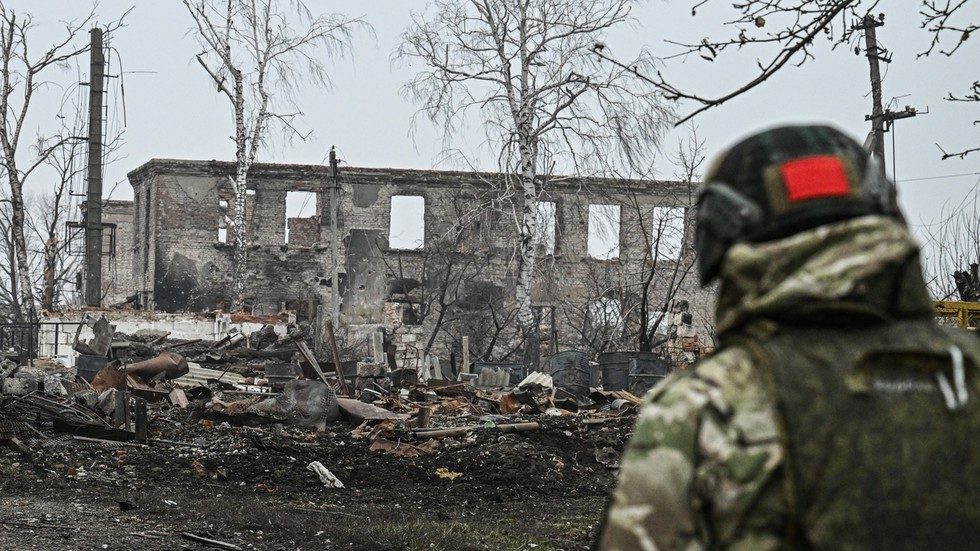
As the geopolitical landscape continues to evolve, the recent operations conducted by Russian military forces in the Kursk Region signal a significant shift in control dynamics. Amid escalating tensions, these military maneuvers have successfully liberated multiple key locations, raising critical questions about the ongoing conflict and its implications for regional stability.
The Context of the Kursk Region
Nestled in the southwestern part of Russia, the Kursk Region has historically held strategic importance due to its proximity to the borders of Ukraine. This area has been a focal point of military activity since the onset of the conflict involving Ukraine, with both sides vying for territorial control. The region’s fertile agricultural land and its significant rail and road networks contribute to its strategic value, making it a critical area for logistics and supply chains.
Recent Developments in Military Operations
In recent weeks, Russian forces have intensified their operations in the Kursk Region, leading to the recapture of several vital towns and villages. Reports indicate that this surge in military engagement is part of a broader strategy aimed at consolidating control over areas that have seen fluctuating frontlines. The liberation of these areas not only boosts morale among Russian troops but also enhances their operational capabilities in a region that has been contested for some time.
- Key Locations Liberated: Towns such as Kursk, Rylsk, and Oboyan have been reported as successfully reclaimed, allowing for better logistical support for Russian forces.
- Military Strategy: The operations appear to be well-coordinated, involving both ground troops and aerial support, showcasing a multifaceted approach to military engagement.
Implications for Regional Stability
The expansion of Russian control in the Kursk Region has far-reaching implications, not just for the immediate area, but for the broader geopolitical climate. As Russian forces establish a more significant presence, several key factors warrant consideration:
- Increased Tensions with NATO: The Western alliance has closely monitored these developments, viewing Russia’s strategic gains with concern. NATO’s response could involve heightened military readiness in bordering countries, further escalating tensions.
- Impact on Ukraine: The Ukrainian military must reassess its strategies in light of these territorial changes. The loss of control in the Kursk Region could hinder Ukraine’s logistical capabilities and its ability to launch counteroffensives.
- Local Population Effects: Civilians in the liberated areas may face uncertainties as new governance structures are established. This shift could lead to instability, affecting the local economy and day-to-day life.
The Perspective of Local Residents
Understanding the human element in such military operations is crucial. Residents of the Kursk Region have expressed a mix of relief and apprehension. While some welcome the return of Russian control, others are wary of the implications that come with military governance.
Local interviews reveal a community caught between the historical significance of their region and the harsh realities of war. Many residents hope for a swift return to normalcy and stability, while others fear that the military presence may disrupt their daily lives.
International Reactions and Diplomatic Efforts
In light of the recent military successes, international reactions have varied. While some nations firmly support Ukraine’s sovereignty, others advocate for diplomatic resolutions to the conflict. The United Nations and various NGOs have urged for negotiations to prevent further escalations.
Moreover, Russia’s diplomatic outreach to neighboring countries has intensified, with attempts to solidify alliances and strengthen its geopolitical stance. This could lead to a reconfiguration of alliances in Eastern Europe, which has historically been influenced by Russian interests.
The Role of Information Warfare
In modern conflicts, information warfare plays a pivotal role. Both sides utilize media to shape narratives around military successes and failures. Russian state media has portrayed the liberation of the Kursk Region as a strategic victory, while Ukrainian sources emphasize the need for resilience and resistance. This battle for public perception is fundamental in maintaining morale and securing international support.
Future Scenarios: What Lies Ahead?
The ongoing developments in the Kursk Region pose critical questions for the future. Several scenarios could unfold:
- Continued Military Engagement: Should Russia maintain its current momentum, further territorial gains may be possible, which could lead to a more entrenched conflict.
- Stalemate and Negotiation: Alternatively, a stalemate could emerge, prompting both sides to return to the negotiating table, potentially facilitated by international mediators.
- Humanitarian Crisis: If the conflict escalates, there is a risk of a humanitarian crisis, with civilians bearing the brunt of military operations, leading to increased displacement and suffering.
The strategic gains made by Russian forces in the Kursk Region are emblematic of the complex and fluid nature of modern warfare. As military operations continue, the international community must carefully navigate this evolving landscape. The focus should be on fostering dialogue, ensuring humanitarian support, and striving for a peaceful resolution that respects the sovereignty of nations while considering the intricate historical and cultural ties of the region.
Ultimately, the situation in the Kursk Region serves as a reminder of the importance of diplomacy, understanding, and cooperation in addressing the underlying issues that fuel conflict. Only through collaborative efforts can lasting peace and stability be achieved in this historically significant area.
See more ABC News Feed