Introduction
In a dramatic turn of events that has captured global attention, two Russian oil tankers collided in the Black Sea, leading to significant environmental, economic, and regulatory concerns. This maritime disaster not only raises alarms about the safety protocols in place within one of the world’s busiest shipping lanes but also emphasizes the urgent need for comprehensive maritime regulations. As the situation unfolds, discussions surrounding environmental impacts and emergency response strategies are gaining momentum, prompting stakeholders from various sectors to reevaluate their approaches to maritime safety.
The Collision: What Happened?
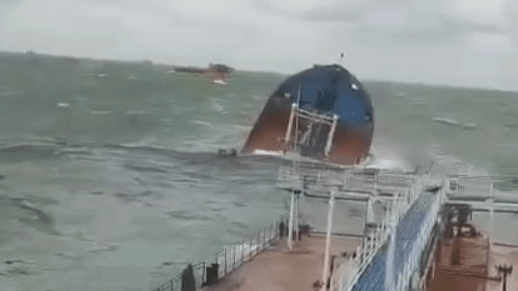
On [insert date], the two Russian oil tankers, identified as the Neptune Star and the Volga Spirit, collided under circumstances that are still being investigated. Preliminary reports suggest that adverse weather conditions and potential navigational errors may have contributed to the incident. The collision resulted in substantial damage to both vessels, with significant oil spillage detected in the surrounding waters.
Witnesses reported seeing flames erupting from the tankers shortly after the collision, triggering immediate emergency responses. The Russian Coast Guard was dispatched to the scene, and efforts to contain the oil spill began almost instantly. However, local environmental experts are worried about the long-term consequences of such a significant leak in the Black Sea, which is home to diverse marine life and sensitive ecosystems.
Environmental Concerns
The Black Sea is a unique marine environment, hosting a variety of species and ecosystems that could be severely affected by an oil spill. Experts warn that the collision could lead to:
- Marine Pollution: The release of crude oil into the sea can have devastating effects on marine flora and fauna. The toxicity of oil can lead to the death of fish and other marine organisms, disrupt food chains, and degrade habitats.
- Impact on Local Fisheries: The fishing industry in the Black Sea region could suffer long-term consequences, affecting livelihoods and local economies. Contaminated waters can lead to fishery closures and loss of income for fishermen.
- Biodiversity Loss: The Black Sea is home to several endangered species, including the black sea dolphin and the monk seal. Oil spills pose a grave threat to their survival and the overall biodiversity of the area.
Maritime Safety and Regulatory Challenges
This incident has sparked urgent discussions about maritime safety standards and regulatory measures in the Black Sea. The region is known for its complex navigation challenges, including busy shipping routes, varying weather conditions, and geopolitical tensions. Some key areas of concern include:
- Need for Stricter Regulations: Experts argue that existing regulations may not be sufficient to prevent such disasters. There is a call for enhanced safety protocols and stricter enforcement of maritime regulations to ensure safer navigation in the region.
- Emergency Response Readiness: The effectiveness of the emergency response to the collision has been scrutinized. Critics emphasize the need for better training and preparedness among local authorities to handle maritime disasters swiftly and efficiently.
- International Cooperation: Given the international nature of shipping, collaboration between countries bordering the Black Sea is essential. Improved communication and joint efforts in crisis management could help mitigate the impact of future incidents.
Economic Implications
Beyond environmental concerns, the collision of the two oil tankers has significant economic implications. The Black Sea is a critical conduit for oil and gas transportation, and disruptions in this area can have ripple effects throughout global markets. Key considerations include:
- Oil Prices: The incident may lead to fluctuations in oil prices, especially if the spill is extensive and leads to protracted recovery efforts. Market analysts will be closely monitoring the situation for any potential impacts on global oil supply.
- Shipping Costs: Increased insurance premiums and shipping costs may result from the incident. Shipping companies may face higher operational costs due to enhanced safety measures and potential delays, which could ultimately be passed on to consumers.
- Long-Term Economic Impact: Local economies dependent on fishing and tourism may suffer long-term consequences if the environmental damage proves to be severe. Recovery efforts could take years, affecting jobs and economic stability in the region.
Broader Implications
The collision of the Russian oil tankers in the Black Sea serves as a reminder of the vulnerabilities inherent in maritime transportation. This incident highlights several broader implications:
- Climate Change Considerations: As climate change continues to influence weather patterns, the maritime industry must adapt to increasingly unpredictable conditions. This incident exemplifies the need for proactive measures to address the risks posed by extreme weather events.
- Technological Advances: The shipping industry is witnessing an increase in technological innovations aimed at improving safety and efficiency. The adoption of advanced navigation systems, real-time monitoring, and automated vessels could help prevent similar incidents in the future.
- Public Awareness and Advocacy: This disaster may raise public awareness about the environmental risks associated with oil transportation. Advocacy groups may leverage this incident to push for policy changes and greater accountability within the maritime industry.
Conclusion
The catastrophic collision of two Russian oil tankers in the Black Sea has sparked a multifaceted crisis that encompasses environmental, economic, and regulatory dimensions. As the investigation unfolds and recovery efforts proceed, it is crucial for stakeholders at all levels to engage in meaningful discussions about maritime safety and environmental stewardship. The incident serves as a stark reminder of the challenges facing the global shipping industry and the urgent need for collaborative efforts to safeguard our oceans and coastal communities. Moving forward, the lessons learned from this tragedy must inform future policies and practices to prevent similar disasters and protect our shared marine resources.
See more ABC News Feed