Introduction
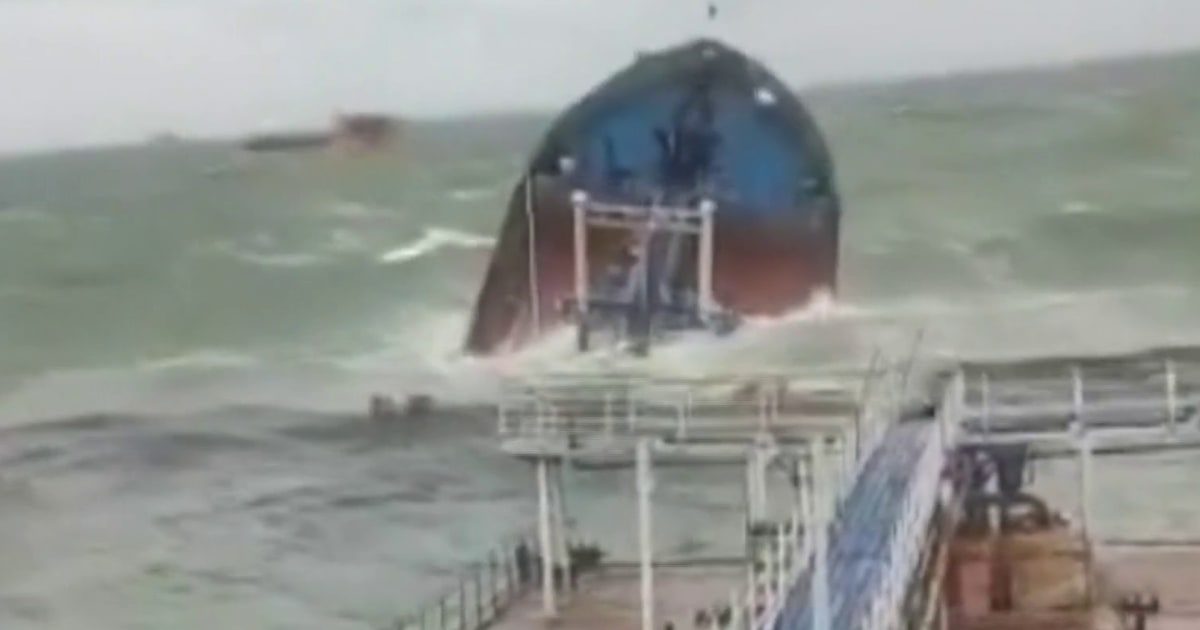
In recent weeks, the Black Sea has become a theater of chaos as powerful storms wreak havoc on maritime vessels, particularly Russian oil tankers. Reports indicate that several of these tankers have been split in two, raising alarms about the potential environmental and safety implications of such incidents. With the shipping industry already grappling with the challenges posed by climate change, this event underscores the urgent need for a reevaluation of maritime safety protocols and environmental protections. This article delves into the specifics of the incident, its implications for the oil industry, environmental concerns, and the broader context of maritime operations in the face of changing weather patterns.
The Incident: A Closer Look
The recent storms in the Black Sea have been described as unprecedented, with wind speeds reaching alarming levels and waves towering above typical conditions. The Russian oil tankers affected by these storms were reportedly caught off-guard, leading to structural failures that resulted in them being split in two.
According to maritime experts, the storms that struck the Black Sea were fueled by a combination of seasonal weather patterns and the effects of climate change, which is increasingly contributing to unpredictable weather across the globe. The Russian Ministry of Transport has indicated that investigations are underway to assess the damage and determine the causes of the tankers’ vulnerabilities.
Environmental Risks
The splitting of oil tankers in such turbulent conditions raises significant environmental concerns. Oil spills can have catastrophic consequences for marine ecosystems, affecting biodiversity and contaminating coastlines. The Black Sea, known for its unique marine life and delicate ecosystems, could face severe repercussions.
- Marine Life Threats: Oil spills can lead to the death of marine species, with long-term effects on food chains.
- Coastal Pollution: Contamination of beaches can impact tourism and local economies reliant on clean coastal environments.
- Fisheries Impact: Local fishing industries may suffer due to reduced fish populations and contaminated waters.
Maritime Safety and Protocols
This incident has brought to the forefront the critical need for enhanced maritime safety protocols. Shipping companies, regulatory agencies, and maritime organizations must consider the following:
- Improved Weather Forecasting: The integration of advanced technology for real-time weather monitoring could provide vessels with timely warnings.
- Stronger Vessel Standards: Regulations may need to be revised to ensure that tankers are built to withstand extreme weather conditions.
- Emergency Response Plans: Effective strategies must be in place for rapid response to maritime accidents, including oil spills.
Global Shipping and Climate Change
The implications of this incident extend beyond the Black Sea, reflecting a global trend where shipping routes are increasingly threatened by climate change. As sea levels rise and weather patterns become more erratic, the shipping industry faces a myriad of challenges:
- Route Alterations: Traditional shipping routes may become less viable, necessitating rerouting which could increase shipping times and costs.
- Insurance Costs: As risks increase, insurance premiums for maritime operations are likely to rise, impacting operational budgets.
- Regulatory Changes: Countries may impose stricter regulations on shipping practices to mitigate environmental risks, affecting global trade dynamics.
Broader Implications for the Oil Industry
For the oil industry, the recent events in the Black Sea could signal a turning point. The risks associated with transporting oil are becoming more apparent, leading to potential shifts in policy and operational practices:
- Investment in Alternative Energy: As traditional oil transport faces increasing scrutiny, companies may accelerate investments in renewable energy sources.
- Technological Innovations: The development of safer, more resilient tanker designs could emerge as a priority to prevent future disasters.
- Public Perception: Growing environmental awareness among consumers may pressure oil companies to adopt more sustainable practices.
Conclusion
The recent storms in the Black Sea that have resulted in the splitting of Russian oil tankers highlight the urgent need for a comprehensive reassessment of maritime safety and environmental protections. As the world grapples with the realities of climate change, the shipping industry must adapt to ensure the safety of its operations and the preservation of marine ecosystems. Stakeholders must collaborate to develop innovative solutions that address these challenges, balancing economic interests with environmental responsibilities. The events in the Black Sea serve as a stark reminder of the fragility of our maritime systems and the growing unpredictability of the natural world.
See more ABC News Feed