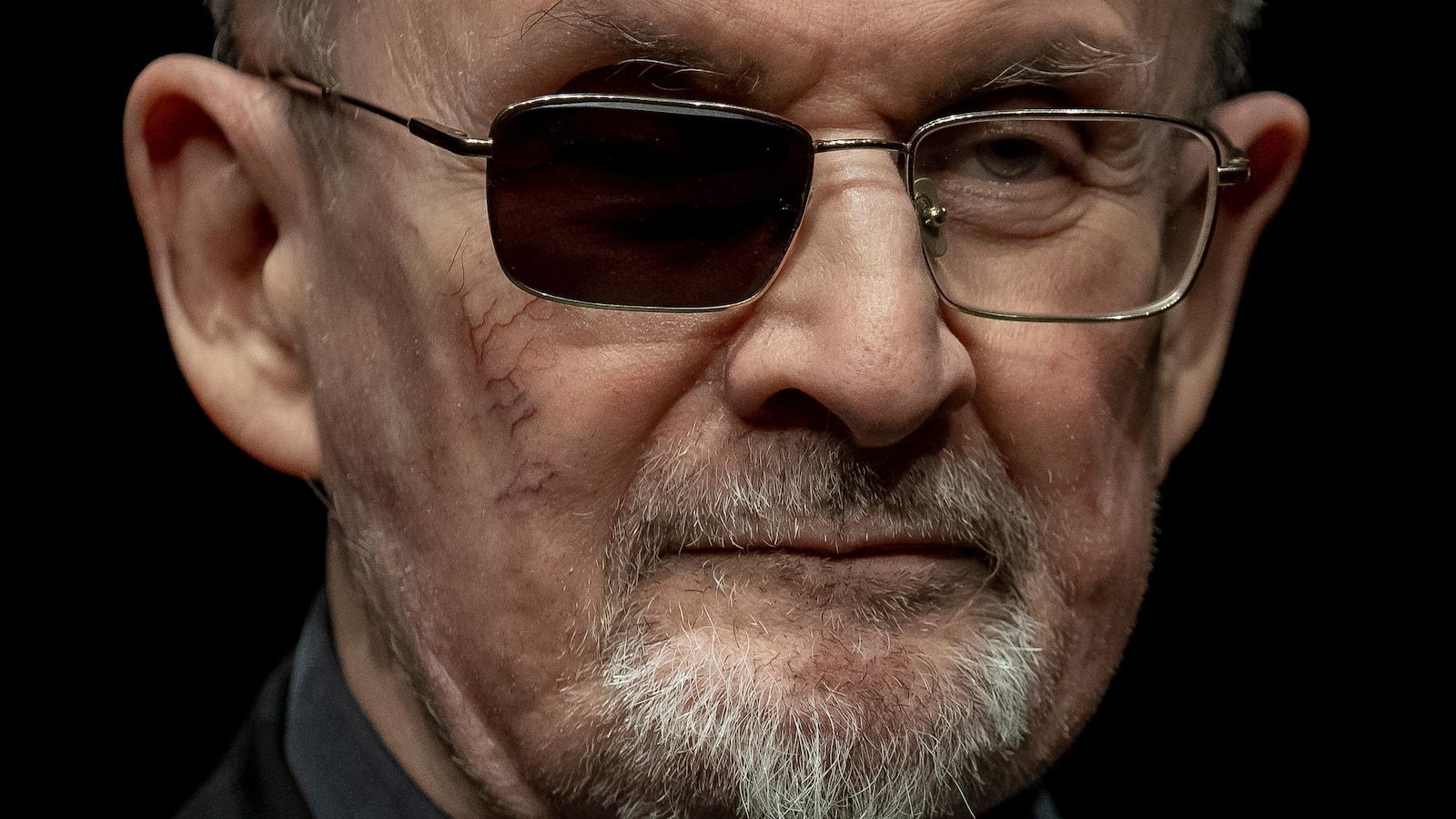
A New Chapter in Controversy: The Trial of Salman Rushdie’s Assailant Begins
The trial of the man accused of attempting to murder Salman Rushdie has officially begun, sparking intense discussions around the intersections of free speech, artistic expression, and security in an increasingly polarized world. As the courtroom drama unfolds, it’s essential to delve into the nuances of this case, which not only involves the facts surrounding the attack but also reverberates through the broader cultural landscape.
The Background of the Case
Salman Rushdie, a prominent author known for his provocative works, gained international notoriety with his novel “The Satanic Verses” in 1988. The book ignited a firestorm of controversy, leading to a fatwa issued by Iran’s Ayatollah Khomeini, calling for Rushdie’s death due to perceived blasphemy. For decades, Rushdie lived under the shadow of this threat, experiencing both heightened security and a profound sense of isolation.
On August 12, 2022, during a lecture in Chautauqua, New York, Rushdie was brutally attacked, leaving him seriously injured. The assailant, Hadi Matar, was apprehended on the scene and subsequently charged with attempted murder and assault. As the trial commences, many are looking to understand the motivations behind Matar’s actions and the implications for freedom of expression.
The Opening Statements: A Clash of Narratives
The trial opened with dramatic and contentious statements from both the prosecution and defense, highlighting the complexities surrounding the case. The prosecution framed Matar’s actions as a premeditated attempt to silence a voice that has long been considered controversial. They argued that Rushdie’s literature is a cornerstone of free expression, and the attack represents a direct threat to that freedom.
Conversely, the defense sought to portray Matar as a misguided individual, suggesting that his actions stemmed from a deep-seated ideological belief rather than a personal vendetta. The defense’s narrative aims to emphasize the influence of radical ideologies over individual agency, raising questions about the extent to which society is responsible for such acts of violence.
The Broader Implications for Free Speech
The trial of Salman Rushdie’s assailant has reignited debates over free speech versus the potential for hate speech or violence. Advocates for free expression argue that literature and art should never be stifled, regardless of how controversial the ideas may be. They contend that the attack on Rushdie is emblematic of a larger trend of intolerance towards dissenting voices.
- Support for Artistic Expression: Many believe that the arts serve as a platform for challenging the status quo, and silencing voices like Rushdie’s threatens the very fabric of democratic society.
- Concerns Over Security: Conversely, there are valid concerns about how society protects individuals, particularly in an era where extremist ideologies seem to be gaining traction.
The trial thus serves as a crucible for examining these competing values. It is a vivid reminder of the importance of protecting creative expression while also addressing the realities of a world that can be hostile to those who dare to challenge dominant narratives.
Public Reaction and Media Coverage
The media coverage surrounding the trial has been extensive, with many outlets emphasizing the symbolic nature of the proceedings. For some, the trial represents a pivotal moment for artists and writers worldwide, serving as a litmus test for how society responds to threats against free speech.
Public opinion appears divided. Some segments express solidarity with Rushdie, underscoring the need to uphold artistic freedoms at all costs. Others, however, express concern about the potential for further violence if radical ideologies continue to proliferate unchecked.
The Role of Social Media
In today’s digital age, social media platforms have become battlegrounds for debates over free speech. The trial’s unfolding has led to a surge of online discussions, with hashtags like #JusticeForRushdie trending on platforms like Twitter and Instagram. This online discourse has amplified voices both in support of Rushdie and those who criticize his literary contributions.
Social media’s role in shaping public opinion cannot be understated, as it has allowed for a diverse range of perspectives to emerge. However, it also raises questions about echo chambers and the risks of misinformation. As various factions use social media to promote their narratives, the complexities of free speech become increasingly pronounced.
Legal Perspectives and Challenges Ahead
From a legal standpoint, the trial presents several challenges. The prosecution must prove Matar’s intent beyond a reasonable doubt, while the defense will likely focus on mitigating circumstances that could influence Matar’s culpability. Questions surrounding mental health, ideological indoctrination, and the role of external influences will be central to the arguments presented in court.
Moreover, the trial could set precedents for how similar cases are handled in the future. Legal experts are closely watching the proceedings to gauge the impact on laws regarding free expression and hate speech. The outcome could influence how artists and writers navigate their work in an increasingly polarized environment.
The International Response
The global reaction to the trial has been varied, with international organizations and human rights advocates calling for vigilance in protecting freedom of expression. The attack on Rushdie is viewed not just as an assault on one individual but as a warning sign about the broader implications for writers and artists worldwide.
In response to the trial, numerous literary figures and organizations have rallied in support of Rushdie, emphasizing the need for solidarity among those who champion artistic freedom. The ongoing discourse underscores the vital role that literature plays in fostering dialogue and understanding across cultures.
Conclusion: The Path Forward
The trial of Salman Rushdie’s assailant is more than a legal proceeding; it is a critical moment in the ongoing struggle for free speech and artistic expression. As we witness the unfolding drama in the courtroom, it is crucial to remain aware of the broader societal implications. The discussions sparked by this case could shape the future of literature, art, and free expression in ways we have yet to fully understand.
In a world where voices are increasingly being silenced, the commitment to protecting those who dare to speak out remains paramount. As the trial continues, we must engage thoughtfully with the issues at hand, ensuring that the lessons learned from this case resonate far beyond the courtroom.
See more ABC News Feed