Early Release for ‘Slender Man’ Stabber: Understanding the Ruling and Its Implications
The recent decision by a judge to grant early release to one of the individuals involved in the notorious ‘Slender Man’ stabbing case has reignited discussions on justice, mental health, and the treatment of juveniles in the legal system. This case, which captured national attention in 2014, involved two 12-year-old girls who attacked their friend in an attempt to appease the fictional internet character known as Slender Man. The implications of this ruling are profound, raising questions about rehabilitation, public safety, and the capacity of the judicial system to handle extreme juvenile offenses.
The Background of the ‘Slender Man’ Case
In May 2014, in Waukesha, Wisconsin, two girls, Morgan Geyser and Anissa Weier, lured their friend Payton Leutner into the woods and stabbed her multiple times, leaving her for dead. The attack was allegedly motivated by a desire to prove their loyalty to Slender Man, a character born from internet folklore. Payton survived the attack and has since become a symbol of resilience.
Both assailants were charged with attempted murder and were subsequently found not guilty by reason of mental illness. They were committed to mental health facilities, where they would receive treatment for their psychiatric disorders. The case raised significant questions about the influence of online culture on young minds and the capacity for mental illness to influence behavior.
Details of the Early Release Decision
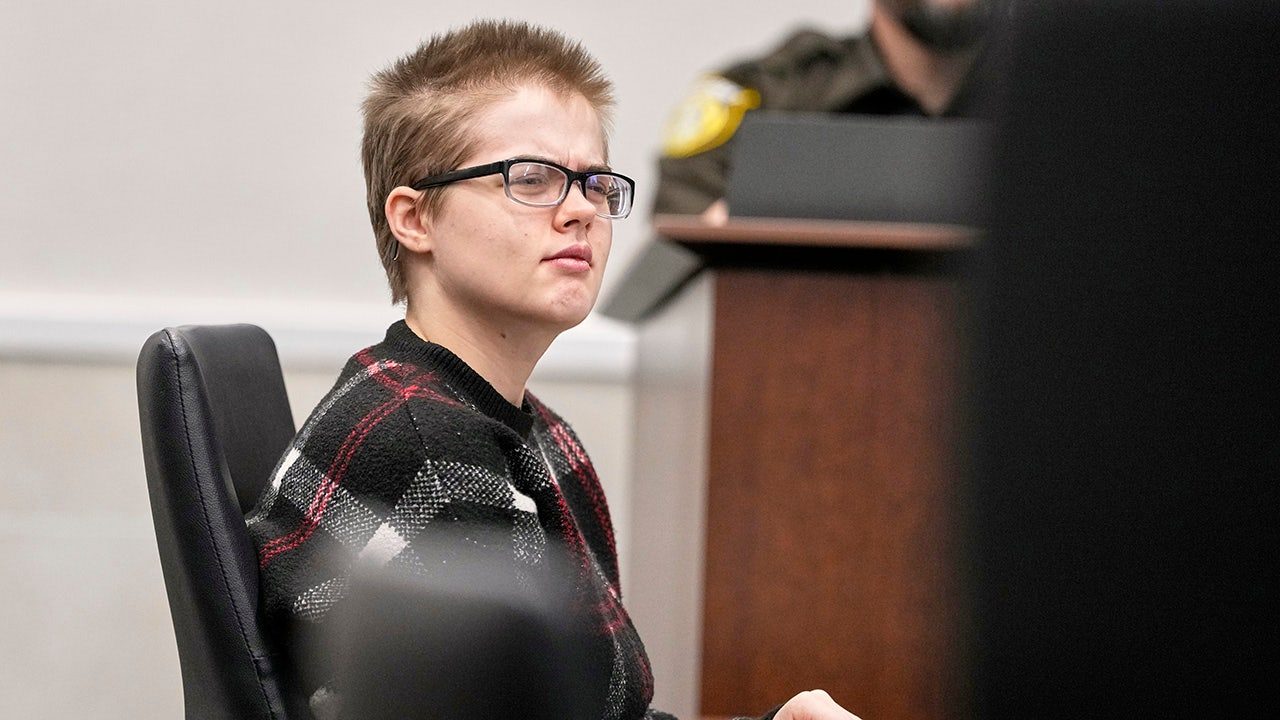
Recently, a judge ruled that one of the girls, Anissa Weier, is eligible for early release after demonstrating significant progress in her mental health treatment. The judge noted that Weier has taken substantial steps towards rehabilitation, including participating in therapy and showing remorse for her actions. This decision has sparked intense debate across various platforms, with opinions divided on whether early release is justified.
Arguments For Early Release
Supporters of the ruling argue that early release is warranted based on several key factors:
- Rehabilitation Potential: Advocates believe that the focus should be on rehabilitation rather than punishment, especially for juveniles. Weier’s progress in therapy suggests that she is no longer a danger to herself or society.
- Changing Perspectives on Mental Health: There’s a growing understanding that mental illness can lead to extreme actions. By prioritizing treatment over incarceration, the judicial system acknowledges the need for compassionate responses to mental health issues.
- Public Safety Considerations: Proponents argue that continued detention is not only unnecessary but may also be counterproductive. If an individual is no longer deemed a threat, their continued confinement could hinder their recovery.
Arguments Against Early Release
Conversely, there are strong arguments against the decision to grant early release:
- Severity of the Crime: Opponents contend that the nature of the crime demands a more cautious approach. The brutal attack on a friend raises concerns about the potential for future violence.
- Victim’s Perspective: Supporters of Payton Leutner worry that this ruling diminishes the severity of her trauma. They argue that her experience should not be overshadowed by the focus on Weier’s rehabilitation.
- Public Safety Concerns: Critics express fears regarding the implications for public safety. They argue that releasing someone who has committed such a violent act poses a potential risk to the community.
The Broader Implications of the Ruling
The early release of Anissa Weier does not just impact her life; it reverberates through the legal system and society as a whole. The case raises crucial questions about how the justice system handles juveniles who commit serious crimes. It highlights the need for a nuanced approach that balances public safety with the potential for rehabilitation.
The Role of Mental Health in Juvenile Justice
This ruling underscores the importance of mental health evaluations in juvenile cases. As society becomes more aware of the complexities surrounding mental illness, there is a need for the legal system to adapt accordingly. Here are some considerations:
- Specialized Treatment Programs: There is a growing consensus that juvenile offenders should have access to specialized mental health treatment programs. These programs can help address underlying issues that contribute to violent behavior.
- Training for Legal Professionals: Judges, attorneys, and law enforcement personnel must be trained to understand the nuances of mental health in juveniles. This knowledge can lead to more informed decisions regarding treatment versus punishment.
- Community Support Systems: Reintegration into society should be accompanied by robust community support systems. These can include mentorship programs, counseling services, and educational opportunities.
Public Reaction and the Media’s Role
The media has played a significant role in shaping public perception of the ‘Slender Man’ case and its aftermath. The intense coverage of the trial and its implications has led to a polarized public opinion. Some see the early release as a sign of an evolving justice system, while others view it as a failure to adequately address the severity of the crime.
Social media platforms have also become battlegrounds for opinions on the case. The conversations surrounding Weier’s release often reflect broader societal debates about mental health, juvenile justice, and the impact of internet culture on young minds.
Conclusion: A Path Forward
The early release for one of the ‘Slender Man’ stabbers is a controversial decision that encapsulates the ongoing struggle between justice and rehabilitation. As society grapples with the implications of this ruling, it is essential to focus on finding a balance that ensures public safety while allowing for the possibility of redemption and recovery. Moving forward, the legal system must consider the complexities of juvenile offenders, the role of mental health, and the significance of victim advocacy in shaping a more just and compassionate society.
Ultimately, the conversation surrounding this case is not just about one individual but reflects a broader societal need to rethink how we approach juvenile justice in an increasingly complex world.
See more ABC News Feed


