Narrow Escape: Somali President Survives Assassination Attempt
In a shocking incident that underscores the precarious nature of political leadership in Somalia, the country’s president narrowly escaped an assassination attempt. This event has not only raised alarms about the safety of political figures but also ignited discussions regarding the broader implications for political stability in the region. With the incident captured on video, reactions from the public and analysts alike have poured in, highlighting the urgent need for enhanced security measures as well as a deeper understanding of the endemic threats that plague Somali leadership.
The Incident: A Close Call
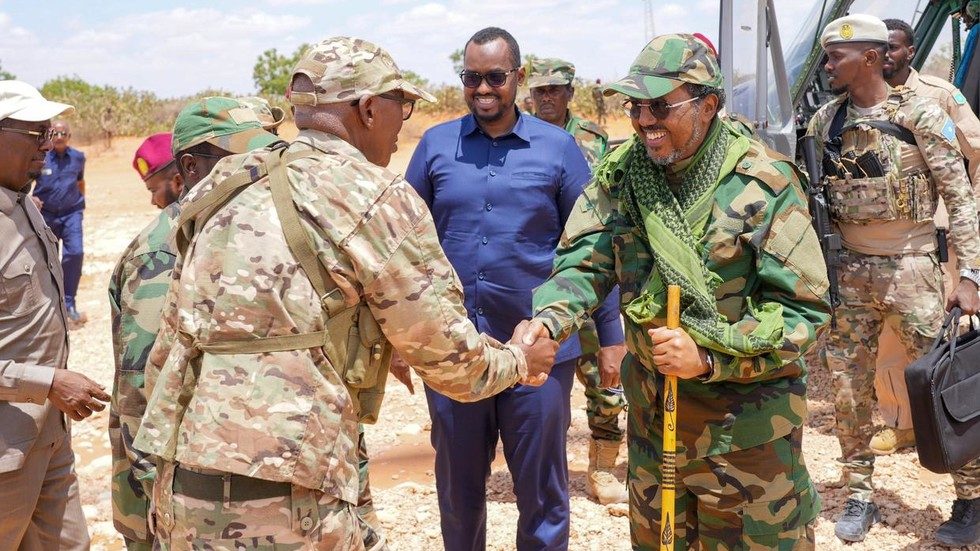
On a seemingly ordinary day, chaos erupted during a public appearance by the Somali president. Video footage revealed a tense scene as gunfire erupted, sending officials and onlookers alike scrambling for safety. Reports indicate that the assailant was swiftly neutralized by security personnel, preventing what could have been a tragic outcome. The president, visibly shaken but unharmed, addressed the nation shortly after the incident, emphasizing his commitment to stability and peace in Somalia.
The dramatic nature of this attempt has sent shockwaves through the Somali political landscape. It serves as a stark reminder of the challenges faced by leaders in a nation still grappling with the legacies of civil unrest, terrorism, and political fragmentation.
Understanding the Context: Somalia’s Political Landscape
To truly grasp the significance of this assassination attempt, one must delve into Somalia’s complex political history. Since the early 1990s, the country has been embroiled in a civil war that resulted in the collapse of its central government. Various factions, warlords, and extremist groups have since vied for power, leading to a fragmented political environment.
The rise of the militant group al-Shabaab has further exacerbated the situation. This group, linked to al-Qaeda, has been responsible for numerous attacks against government officials, foreign embassies, and civilians. The assassination attempt on the president is a clear indication that even the highest echelons of power are not immune to the threats posed by such extremist entities.
Security Measures: A Call for Reform
In the wake of this assassination attempt, there have been renewed calls for reforming security measures to protect political leaders. Experts and citizens alike are questioning whether current protocols are sufficient, particularly in light of the growing threat from extremist groups. Some possible security enhancements could include:
- Increased Intelligence Gathering: Improving intelligence operations to monitor and thwart potential threats before they materialize.
- Enhanced Personal Security: Providing more robust personal security details for high-profile figures, including better training and resources.
- Public Awareness Campaigns: Encouraging citizens to report suspicious activities and fostering a culture of vigilance.
While these measures may seem straightforward, implementing them in a country with limited resources and ongoing instability presents its own set of challenges. Nonetheless, the recent assassination attempt has catalyzed discussions about what can be done to protect leaders and the public alike.
The Role of the International Community
The Somali president’s narrow escape also highlights the critical role of the international community in stabilizing the region. Various nations and organizations have been involved in efforts to rebuild Somalia, providing aid, training, and support to security forces. However, the need for a cohesive and sustained international strategy is more pressing than ever.
Some potential avenues for international support include:
- Training and Capacity Building: International partners can assist in training Somali security forces, enhancing their ability to respond to threats effectively.
- Financial Assistance: Increased funding for security infrastructure can help bolster defenses against terrorist attacks.
- Diplomatic Engagement: Ongoing diplomatic efforts can help mediate conflicts and foster collaboration among various political factions within Somalia.
By reinforcing these efforts, the international community can help create a more stable environment where leaders can govern without the looming threat of violence.
Public Reaction and Political Implications
The public’s reaction to the assassination attempt has been a mixture of shock, fear, and anger. Many citizens expressed their concerns over the state of security in the country and the implications of such violence for their daily lives. Social media has been ablaze with discussions about the need for accountability and transparency in government security protocols.
Politically, this incident may have far-reaching implications. The Somali president’s ability to maintain public confidence hinges on how effectively he can address these security concerns and promote a sense of safety among the populace. In a nation where trust in leadership has been tenuous at best, this assassination attempt could either galvanize support for the president or lead to increased skepticism and unrest.
A Path Forward: Hope Amidst Chaos
Despite the grim realities underscored by the assassination attempt, there is a glimmer of hope for Somalia. The resilience of its people, combined with the commitment of its leaders to pursue peace, can pave the way for a better future. The recent incident may serve as a catalyst for necessary reforms in security and governance, ultimately fostering a stronger and more united Somalia.
In conclusion, the narrow escape of the Somali president from an assassination attempt has brought to light the critical issues surrounding political stability and security in the region. As discussions unfold about reforms and international support, it remains essential for the Somali leadership to engage with the public, promote transparency, and address the root causes of instability. Through collective efforts, Somalia can aspire to overcome its challenges and build a brighter future for its citizens.
See more ABC News Feed