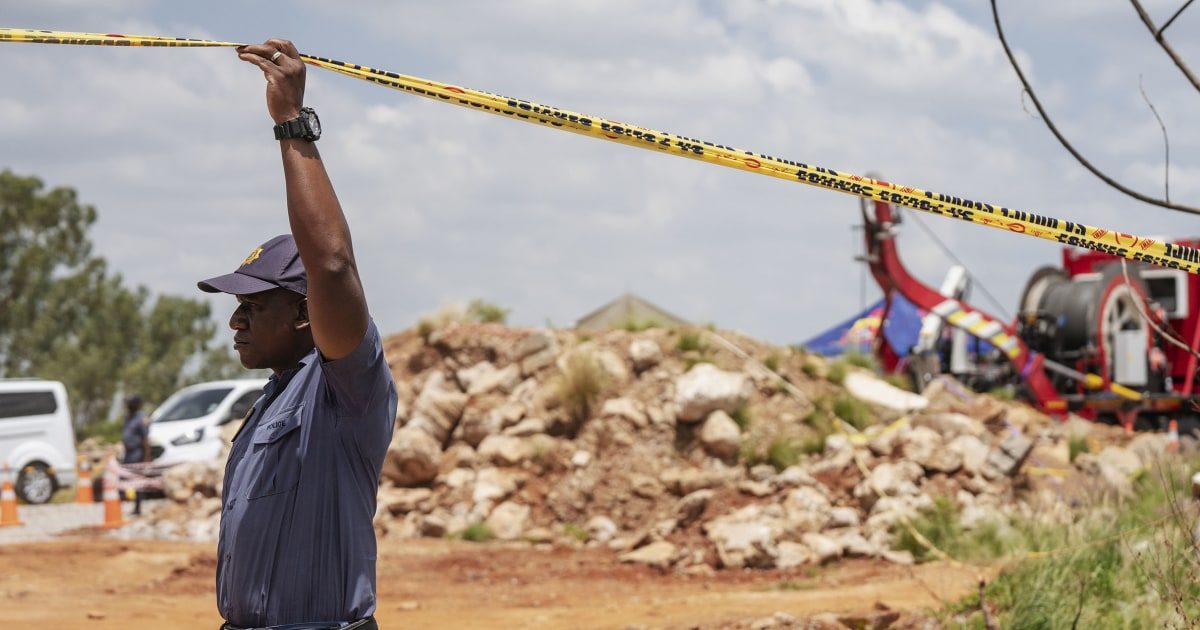
Uncovering the Tragedy: 60 Lives Lost in South African Gold Mine Siege
In a heart-wrenching incident that has sent shockwaves across South Africa and beyond, authorities recently recovered 60 bodies from a closed gold mine in the country’s Mpumalanga province. This tragedy not only underscores the perilous nature of illegal mining operations but also raises urgent questions about safety, regulatory oversight, and the socio-economic dynamics that drive individuals to risk their lives in such dangerous endeavors. As the dust settles on this catastrophe, the implications are profound, urging a reevaluation of mining practices and the state of safety regulations in the region.
The Incident: A Grim Discovery
The recovery operation, which took place in late October 2023, was initiated after reports surfaced about an illegal mining operation in a disused gold mine. Local law enforcement agencies, alerted to the presence of unauthorized miners, undertook a thorough search of the site. What they found was nothing short of tragic: the bodies of 60 individuals, believed to be miners who had become trapped within the mine’s treacherous tunnels.
Authorities have indicated that many of the deceased were likely victims of an underground siege that occurred due to structural collapses within the mine, raising questions about the conditions under which these illegal operations were conducted. The mine, which had been closed for years, was not equipped to handle any form of mining activity, let alone the kind of reckless extraction that illegal miners engage in.
The Context of Illegal Mining in South Africa
Illegal mining has become a pervasive issue in South Africa, particularly in areas rich in mineral resources. The allure of gold, which has long been a symbol of wealth and prosperity, continues to draw individuals into dangerous and often deadly situations. Here are some key factors contributing to this crisis:
- Poverty and Unemployment: Many individuals turn to illegal mining as a means of survival. High unemployment rates and pervasive poverty in certain regions compel people to seek alternative sources of income, often leading them into hazardous mining operations.
- Weak Regulatory Framework: The lack of stringent enforcement regarding mining regulations allows illegal operations to flourish. Corruption and insufficient resources for monitoring mining activities further exacerbate the problem.
- Dangerous Conditions: Illegal mines often lack basic safety measures, putting the lives of miners at extreme risk. Collapses, toxic fumes, and the absence of emergency protocols contribute to a high rate of fatalities.
The Human Cost of Illegal Mining
The loss of 60 lives in the South African gold mine siege is a stark reminder of the human cost associated with illegal mining activities. Each victim had a story, a family, and aspirations that were abruptly cut short. The tragedy has prompted an outpouring of grief and calls for action from various sectors of society, including human rights organizations, community leaders, and the government.
Many families are now left to grapple with the aftermath of this horrific event. The emotional and psychological toll on the loved ones of the deceased is immeasurable. Survivors and relatives are left to contend with their loss, often without the means to provide a proper burial or support.
Calls for Action: Addressing the Root Causes
In the wake of this tragedy, there are growing calls for immediate action to address the issues plaguing the mining sector. Here are several key areas where change is necessary:
- Strengthening Regulation: Government authorities must enhance monitoring and enforcement of mining regulations. This includes shutting down illegal operations and imposing stricter penalties on those who engage in such activities.
- Community Engagement: Engaging communities in discussions about the dangers of illegal mining is crucial. Educational programs that inform individuals about the risks and provide alternative livelihood options can help mitigate the allure of illegal mining.
- Employment Opportunities: Addressing the root causes of poverty and unemployment is essential. The government, in collaboration with private sectors, should invest in job creation and skills development programs to provide sustainable livelihoods for affected communities.
Lessons from the Tragedy
The loss of 60 lives in the South African gold mine siege serves as a tragic reminder of the ongoing struggles faced by many in the region. It highlights the urgency of addressing the systemic issues that lead individuals to engage in dangerous activities. Here are some lessons learned:
- The Importance of Safety: This incident underscores the need for stringent safety measures in all mining operations, legal or illegal. The lives lost could have been saved had there been proper infrastructure and oversight.
- Community Resilience: Communities must come together to advocate for their rights and safety. Grassroots movements can play a critical role in bringing attention to these issues and demanding change.
- Government Responsibility: The government must take proactive steps to protect its citizens from such tragedies. This includes not only enforcing laws but also creating an environment where legal mining operations can thrive and provide safe employment.
Conclusion: A Call for Change
The tragedy of 60 lives lost in the South African gold mine siege is a clarion call for change. It is a reminder that behind every statistic lies a human story, and every life lost represents a family left in mourning. As the nation grapples with this heartbreaking event, it is imperative that all stakeholders—government, communities, and industry—come together to address the root causes of illegal mining and to work towards a safer, more sustainable future.
In reflecting on this tragedy, we must not only mourn the lives lost but also commit ourselves to ensuring that such incidents are not repeated. The time for action is now, and the responsibility lies with all of us to pave the way for a safer and more equitable mining sector in South Africa.
See more ABC News Feed