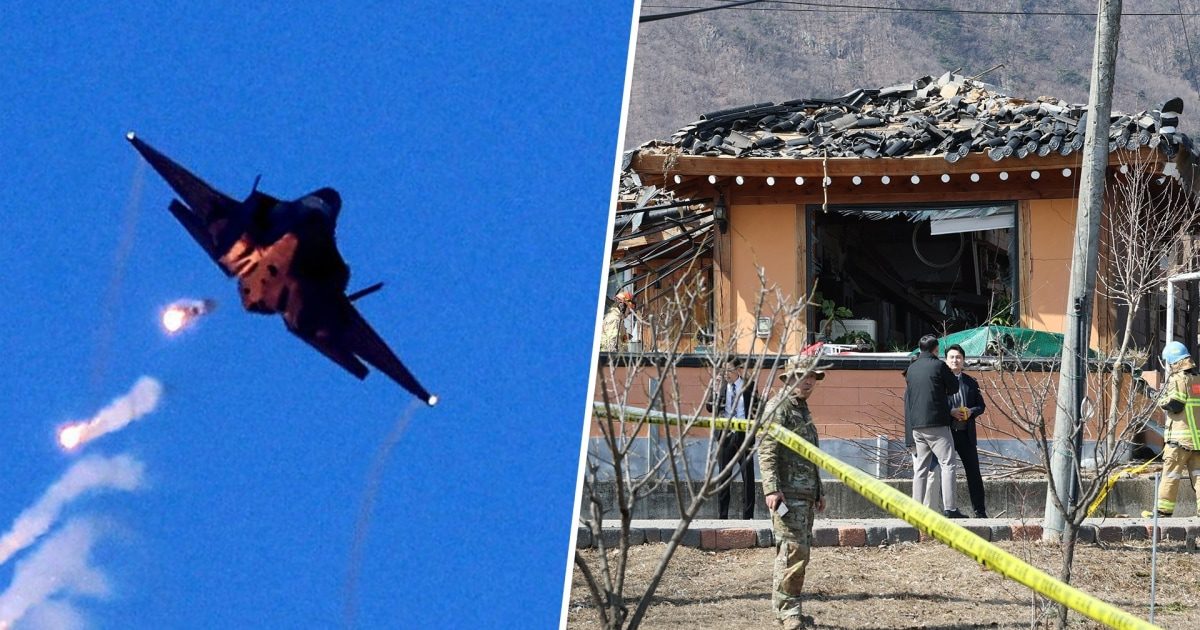
Unintentional Bomb Drop: South Korean Jets Spark Outrage in Civilian Zone
A recent incident involving South Korean fighter jets has raised alarms after munitions were accidentally released over a civilian area. This unexpected event has ignited discussions regarding military protocols and the safety of local populations. The shocking nature of the incident has led to widespread outrage, causing both residents and officials to question the safety measures in place during military exercises. Understanding the implications of such events is crucial in fostering a safer environment for civilians while maintaining military readiness.
The Incident: What Happened?
On a routine training exercise, South Korean jets were conducting maneuvers when munitions were unintentionally released, landing in a populated area. Fortunately, there were no casualties reported, but the psychological impact on the local community has been significant. Eyewitness accounts describe the moment as terrifying, with residents expressing feelings of vulnerability and fear due to the unexpected explosion.
The South Korean military quickly issued a statement acknowledging the incident, emphasizing their commitment to investigating the circumstances surrounding the accidental bomb drop. They assured the public that measures would be taken to prevent such occurrences in the future, but the damage had already been done in terms of public trust.
Military Protocols and Safety Measures
This incident has sparked a broader discussion about military protocols related to the use of live munitions in civilian areas. While military exercises are essential for national defense and readiness, the safety of civilians must be a paramount concern. Here are some key points regarding military protocols:
- Risk Assessment: Before conducting exercises, military units are required to perform thorough risk assessments to determine the safety of the area and the potential impact on local populations.
- Communication: Clear lines of communication should be established between military forces and local authorities to ensure that civilians are informed about upcoming exercises, especially those involving live munitions.
- Training and Accountability: Continuous training of personnel on safety protocols is crucial. Those responsible for the incident must be held accountable to ensure adherence to military regulations.
Public Reaction and Outrage
The accidental drop has fueled outrage among local residents and the broader South Korean public. Social media platforms exploded with reactions, as citizens expressed their fears concerning the safety of their neighborhoods. Many questioned why military exercises were conducted in proximity to civilian areas, calling for stricter regulations and oversight.
Local politicians have also weighed in, demanding an immediate review of military protocols and an assurance that such incidents will not happen again. This incident has highlighted the ongoing tension between military readiness and civilian safety, a balance that must be navigated with utmost care.
The Role of Government and Military in Civilian Safety
In light of this incident, the South Korean government faces a significant challenge. They must address public concerns while ensuring that military operations are not unduly hindered. Here’s how they can approach this situation:
- Transparency: The military should maintain transparency about the findings of their investigation into the incident and the steps being taken to prevent future occurrences.
- Community Engagement: Engaging with local communities to educate them about military operations and the necessary precautions can help build trust and alleviate fears.
- Policy Reevaluation: The government may need to reevaluate existing policies regarding military exercises, especially those involving live munitions in populated areas.
Lessons Learned and Moving Forward
Every incident, especially one as serious as this, offers valuable lessons. For the South Korean military, the accidental bomb drop serves as a wake-up call to prioritize the safety of civilian populations. Moving forward, here are some actionable insights:
- Enhanced Training: The military should invest in enhanced training programs focusing on the safe handling and deployment of munitions.
- Improved Technology: Leveraging advanced technology can help reduce the risk of accidental deployments. For example, utilizing drones for training exercises in less populated areas could mitigate risks.
- Regular Reviews: Conducting regular reviews of military protocols can ensure that they remain relevant and effective in protecting civilian safety.
Conclusion: A Call for Balance Between Readiness and Safety
The unintentional bomb drop by South Korean jets has illuminated the delicate balance between military preparedness and civilian safety. As tensions persist on the Korean Peninsula, military exercises will remain a necessary component of national defense. However, the recent incident underscores the importance of prioritizing civilian safety and maintaining open lines of communication with local populations.
Ultimately, fostering a culture of accountability, transparency, and proactive engagement can help mitigate the risks associated with military operations. As South Korea navigates these challenges, the hope is that future military exercises will be conducted with a keen awareness of their impact on civilian lives, ensuring that safety remains at the forefront of military strategy. The road ahead may be complex, but with concerted effort and commitment, a safer coexistence between military operations and civilian communities is achievable.
See more ABC News Feed


