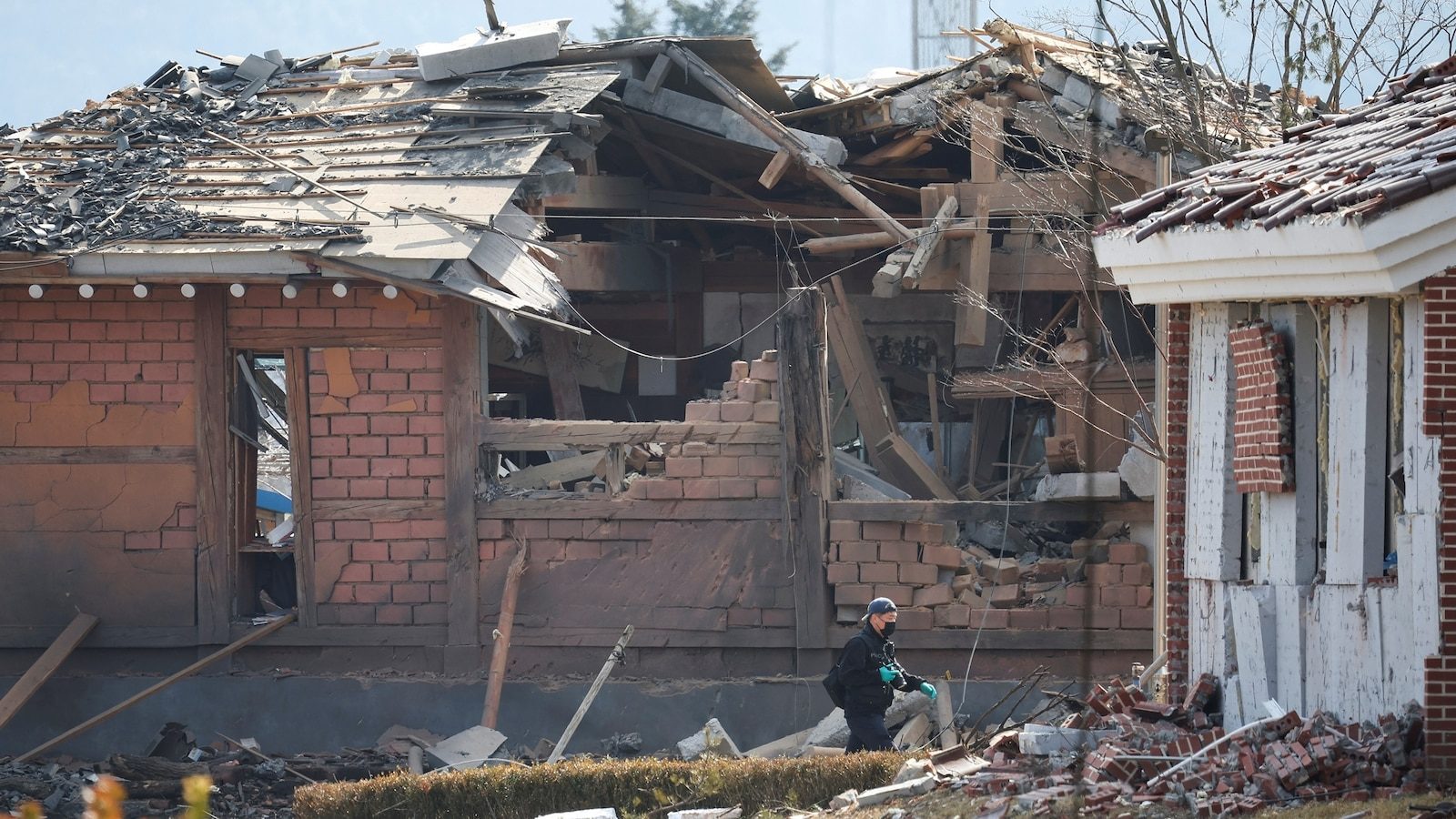
Unintended Consequences: The Fallout from South Korea’s Military Drills
In a world where military preparedness is often equated with national security, the recent military exercises in South Korea have brought forth a stark reminder of the potential for unintended consequences. During these drills, a series of unexpected incidents involving dropped bombs resulted in injuries to 15 individuals, raising critical questions about the safety protocols and operational oversight in military training exercises. This incident not only highlights the risks associated with military operations but also urges a reevaluation of the systems in place to protect both military personnel and civilians alike.
The Incident: A Closer Look
On a seemingly routine day during a scheduled military drill, a malfunction led to the accidental dropping of bombs in a populated area. The repercussions were immediate: 15 individuals sustained injuries, prompting swift responses from emergency services. Initial reports indicated that the bombs were part of a training exercise aimed at enhancing the readiness of South Korean forces amidst rising tensions in the region.
This incident has sparked outrage and concern from various sectors of society, particularly among local residents who feel that their safety was jeopardized. The confusion surrounding the event also raised alarms regarding the efficacy of safety measures currently employed during military operations.
Understanding the Fallout from Military Drills
The fallout from South Korea’s military drills extends beyond just the immediate injuries. It invites a multifaceted discussion about the implications of such exercises on civilian safety, diplomatic relations, and military accountability. Here are some critical aspects to consider:
- Safety Protocols: The incident calls into question the existing safety protocols during military drills. In high-stakes environments, the margin for error is minimal, and the consequences of such lapses can be dire. A thorough review of safety measures is essential to prevent future incidents.
- Civilian-Military Relations: Incidents like these can strain the relationship between military forces and local communities. Trust is paramount; when civilians feel endangered by military activities, it can lead to protest and resistance against military operations.
- International Perception: South Korea’s military exercises are often under scrutiny, especially from neighboring countries. Incidents resulting in civilian injuries can exacerbate tensions and lead to diplomatic fallout, affecting international relations.
Operational Oversight: A Call for Reform
In light of the recent events, there is an urgent need for reform in operational oversight within military exercises. It is crucial that military leaders implement enhanced training protocols that prioritize safety and ensure accountability. The following measures could significantly improve oversight:
- Simulated Environments: Utilizing advanced technology to create simulated training environments can reduce risks associated with live munitions. This approach allows military personnel to hone their skills without endangering civilian lives.
- Increased Transparency: Open communication with local communities regarding military drills can foster a sense of safety and cooperation. Informing residents about the nature and location of exercises can help mitigate fears and misunderstandings.
- Regular Audits: Conducting regular audits of safety protocols and training exercises can help identify vulnerabilities and areas for improvement. This proactive approach can prevent future accidents and enhance overall operational integrity.
Lessons from the Past: Historical Context
The history of military drills is rife with instances of unintended consequences. From mishaps during World War II to more recent events, the lessons learned often revolve around the need for stringent safety measures and the importance of minimizing risks to civilians. For instance, the infamous “friendly fire” incidents have led to the implementation of more rigorous targeting and identification protocols in modern militaries.
South Korea, in particular, has a unique historical context that complicates military operations. With the ongoing tensions on the Korean Peninsula, the need for preparedness is juxtaposed with the imperative to protect civilian lives. The balance between military readiness and civilian safety is a delicate one, and incidents like the recent bomb drop underscore the challenges faced by military planners.
Community Resilience and Response
In the aftermath of the incident, community resilience has emerged as a vital theme. Local residents, while understandably shaken, have come together to advocate for greater safety measures and accountability from military officials. Grassroots organizations have mobilized to demand a thorough investigation into the circumstances surrounding the dropped bombs, emphasizing the need for stronger protections for civilians.
This level of community engagement serves as a reminder that civilian voices matter in discussions about military operations. It underscores the importance of creating a dialogue between military authorities and local populations to foster trust and collaboration.
Looking Ahead: A Vision for Safer Military Exercises
While the recent events in South Korea are concerning, they also present an opportunity for growth and reform. Moving forward, it is essential to prioritize the safety of both military personnel and civilians in all training exercises. The following strategies can help create a safer environment for future military drills:
- Enhanced Training for Personnel: Comprehensive safety training for all military personnel involved in operations can reduce the likelihood of accidents. Emphasizing the importance of adherence to safety protocols is crucial.
- Collaboration with Experts: Engaging safety experts and community leaders in planning military drills can provide valuable insights and perspectives that enhance safety measures.
- Legislative Support: Advocating for legislative measures that mandate stricter safety regulations during military exercises can help ensure accountability and transparency.
Conclusion: The Path Forward
The unintended consequences of South Korea’s military drills serve as a critical reminder of the complex interplay between military preparedness and civilian safety. While the recent incidents have caused concern, they also illuminate the need for reform and innovation in military practices. By prioritizing safety, fostering community engagement, and implementing robust oversight measures, South Korea can navigate the challenges of military readiness while ensuring the well-being of its civilian population.
Ultimately, the path forward lies in learning from past mistakes and committing to a future where military exercises enhance security without compromising safety. As South Korea continues to confront evolving threats, the emphasis on safety and accountability will be paramount in shaping a peaceful and secure environment for all.
See more ABC News Feed


