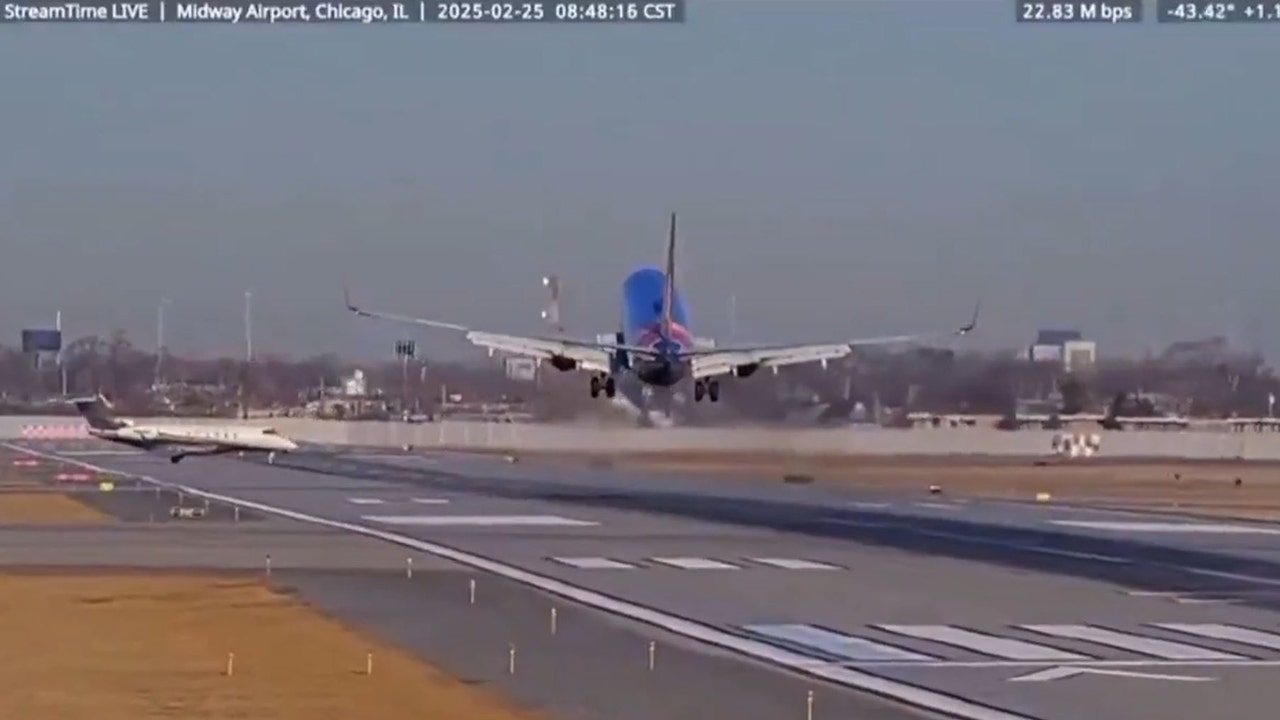
Close Call: Southwest Flight Averts Collision at Chicago Midway
A recent incident involving a Southwest Airlines flight at Chicago Midway International Airport has raised serious concerns about air traffic safety. The flight narrowly escaped what could have been a catastrophic collision, highlighting the crucial need for effective communication and vigilant navigation among pilots and air traffic controllers. This close call serves as a poignant reminder of the complexities and dangers associated with modern aviation.
The Incident: What Happened?
On a busy afternoon, a Southwest Airlines flight was preparing for takeoff when an incoming aircraft inadvertently crossed its path. Thanks to the quick reflexes and decision-making of the flight crew, disaster was averted. The pilots, upon noticing the potential collision, executed an immediate takeoff abort and maneuvered the aircraft safely back to the terminal. This incident underscores the importance of situational awareness and timely communication in the high-stakes environment of air travel.
Immediate Reactions and Responses
The swift actions of the Southwest flight crew were commendable, but the incident prompted immediate investigations by the Federal Aviation Administration (FAA). Safety experts and aviation authorities quickly began analyzing the circumstances surrounding the close call. They assessed communication protocols between air traffic control and pilots to identify any lapses that could have contributed to the situation.
Furthermore, both passengers and crew members expressed their relief at the safe resolution. Many passengers shared their experiences on social media, with some expressing gratitude for the professionalism exhibited by the flight crew. Such incidents often evoke a mix of fear and appreciation among those involved, reinforcing the critical role that pilots play in ensuring safety.
Understanding Air Traffic Safety Protocols
Air traffic safety is a multifaceted domain that involves various protocols and technologies designed to prevent collisions. The FAA oversees these operations, employing a range of systems to facilitate safe air travel. Key components include:
- Radar Systems: These systems monitor aircraft movements in real-time, allowing air traffic controllers to manage flight paths effectively.
- Communication Channels: Clear communication between pilots and controllers is paramount. Standardized phrases and procedures help eliminate misunderstandings.
- Flight Management Systems: Modern aircraft are equipped with advanced navigation and autopilot systems that enhance pilot situational awareness.
Despite these systems, the aviation industry is continually evolving, and so are the challenges it faces. The recent close call at Chicago Midway emphasizes that even with robust protocols, human factors can play a significant role in safety outcomes.
Human Factors and Pilot Training
The role of human factors in aviation cannot be overstated. Pilots undergo rigorous training to prepare for various scenarios, including emergency situations. In this case, the flight crew’s ability to stay calm and make quick decisions was critical in averting disaster. Training programs focus not only on technical skills but also on decision-making and teamwork under pressure.
Moreover, airlines like Southwest invest heavily in simulator training, where pilots can practice handling emergency situations in a controlled environment. Such training ensures that they are prepared to react swiftly and effectively when unexpected challenges arise.
Looking Ahead: Recommendations for Improvement
In light of the recent incident, several recommendations can be made to enhance air traffic safety further:
- Improved Communication Protocols: Ongoing training for air traffic controllers and pilots should focus on communication strategies to ensure clarity and reduce the potential for misunderstandings.
- Technological Enhancements: Investing in advanced technologies, such as automated conflict detection systems, can provide an additional layer of safety by alerting pilots and controllers to potential hazards.
- Regular Safety Audits: Conducting frequent audits of air traffic control procedures and pilot training programs can help identify areas for improvement and reinforce best practices.
These steps can help mitigate risks and ensure that such close calls become increasingly rare in the future.
The Role of Passengers in Aviation Safety
While pilots and air traffic controllers are primarily responsible for safety, passengers also play a role. Being aware of safety protocols, such as the position of emergency exits and the use of seatbelts, can contribute to overall safety. Passengers should remain calm and attentive during safety briefings and be prepared to follow instructions from the crew in case of an emergency.
Conclusion: A Call for Vigilance
The close call involving the Southwest Airlines flight at Chicago Midway serves as a stark reminder of the complexities of air travel and the importance of vigilance in aviation safety. While technology and protocols are in place to prevent incidents, human factors remain an integral part of the equation. Continuous training, improved communication, and investment in safety technologies are essential steps toward reducing the risk of collisions and ensuring the safety of all passengers and crew members.
As the aviation industry moves forward, it must learn from incidents like this, fostering an environment of safety and preparedness. The commitment to vigilance, training, and continuous improvement will be paramount in maintaining the trust and confidence of the flying public.
In the end, every flight is a collaboration between technology, training, and human experience. With dedication and a proactive approach, the industry can ensure that the skies remain safe for all.
See more ABC News Feed