SpaceX Debris Rains Down on Turks and Caicos: The Incident Unfolded
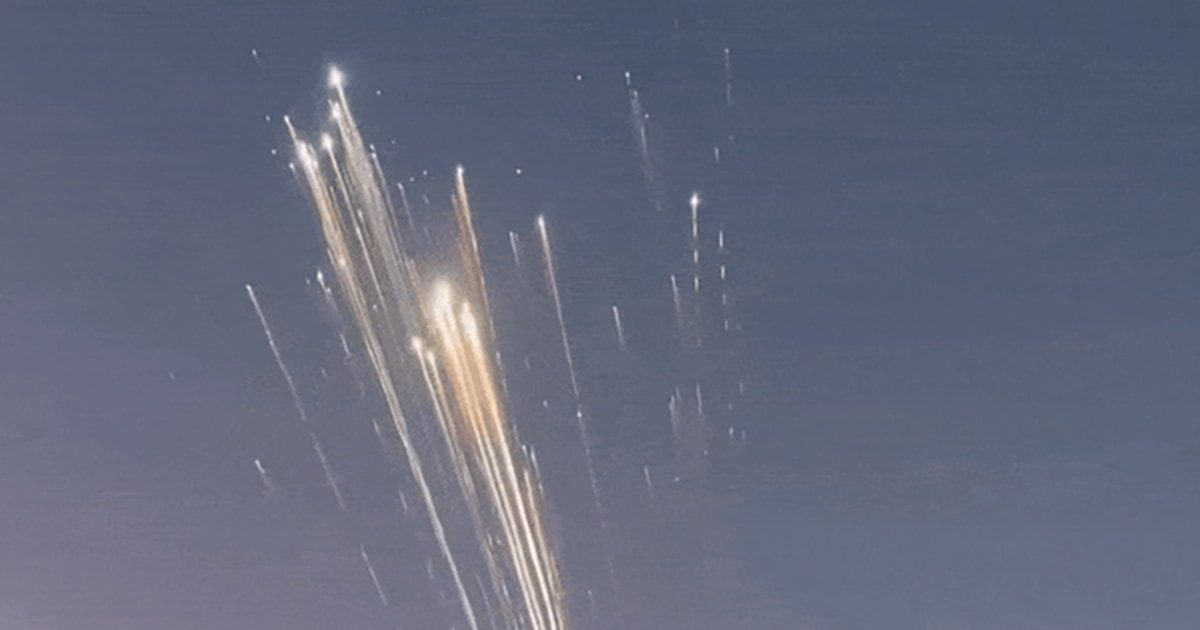
Officials in the Turks and Caicos Islands are grappling with the aftermath of a recent incident involving debris from a SpaceX launch. As fragments rained down on their picturesque shores, the event raised significant concerns regarding safety, environmental impact, and the responsibilities of private space companies. While the good news is that no injuries have been reported, the incident has ignited a broader discussion about the implications of commercial space exploration.
The Event: What Happened?
On a clear day, residents and tourists in the Turks and Caicos were startled to witness debris falling from the sky, remnants of a SpaceX Falcon 9 rocket launch that took place a few days prior. This launch was part of SpaceX’s ongoing mission to bolster satellite constellations for various purposes, including Internet connectivity and scientific research.
Local officials quickly mobilized to assess the situation, ensuring that the public remained safe from any potential hazards. Fortunately, reports confirmed that the debris caused no injuries, but the sight of rocket parts scattered along the beaches raised immediate alarm bells.
The Response from Local Authorities
In response to the falling debris, local authorities in the Turks and Caicos Islands took swift action. The Ministry of Environment and Coastal Resources issued a statement emphasizing their commitment to ensuring public safety and environmental protection. They encouraged residents and visitors to report any findings of debris to local authorities while advising against direct contact with any unidentified objects.
Moreover, the government coordinated with SpaceX and relevant international agencies to gain a clearer understanding of the debris that had fallen and its potential impact on the environment.
Environmental Concerns: What’s at Stake?
One of the most pressing issues in the aftermath of the SpaceX debris incident is the environmental impact on the fragile ecosystems of the Turks and Caicos. The islands, known for their stunning coral reefs and diverse marine life, could face repercussions from the introduction of foreign materials.
- Marine Life Disruption: Debris can affect marine animals, particularly if it sinks into the ocean. The potential for entanglement or ingestion by sea creatures poses a significant risk.
- Beach Aesthetics: The sight of debris on pristine beaches can deter tourism, a critical component of the local economy. Clean-up efforts will be necessary to maintain the islands’ natural beauty.
- Long-Term Impact: If not addressed, there could be long-term consequences for biodiversity and habitat integrity.
Environmentalists are urging for a comprehensive assessment to evaluate the extent of the debris’ impact, pushing for policies that hold space companies accountable for their operations.
SpaceX’s Responsibility: What Should Be Done?
The discussion surrounding the incident has sparked a wider conversation about the responsibilities of private space companies like SpaceX. As commercial space exploration becomes more prevalent, it is crucial to establish guidelines and regulations to mitigate risks associated with debris. Here are some key points to consider:
- Debris Mitigation: SpaceX and other companies must invest in technologies to reduce the amount of debris generated during launches. This could involve designing rockets that disintegrate upon re-entry or ensuring that any debris is directed to uninhabited areas.
- Transparency: Companies should communicate their launch plans and potential risks to affected regions, allowing local governments to prepare adequately.
- Accountability Measures: There should be legal frameworks that hold companies liable for damages caused by debris, ensuring that they contribute to clean-up efforts and restoration.
Lessons Learned: Moving Forward
This incident serves as a wake-up call for both the space industry and policymakers. As more private companies venture into space, the need for robust regulations and international cooperation has never been more urgent. The Turks and Caicos debris event is a reminder that as humanity reaches for the stars, we must also be mindful of our responsibilities here on Earth.
In the wake of this event, SpaceX has pledged to work closely with local authorities to aid in the analysis of the debris and its potential effects. This partnership is crucial for ensuring that the rights and safety of the local population are prioritized.
Looking Ahead: The Future of Space Exploration
While the incident in the Turks and Caicos highlights the risks associated with private space exploration, it also underscores the incredible advancements made in this field. SpaceX has played a pivotal role in transforming access to space, making it more affordable and feasible for various missions, including those focused on sustainability and scientific discovery.
As we look to the future, it is imperative that the industry evolves alongside its ambitions. The integration of environmental stewardship into space exploration is not just necessary; it is crucial for ensuring that our ventures beyond Earth do not come at the expense of our planet’s health.
Conclusion: A Call for Responsible Innovation
The recent SpaceX debris incident in the Turks and Caicos Islands serves as a poignant reminder of the responsibilities that come with innovation. As we continue to break boundaries in space exploration, we must also forge a path that respects our environment and prioritizes the safety of all communities affected by these advancements. It is essential for governments, private companies, and local communities to collaborate on establishing regulations that protect both our planet and the future of space travel.
Ultimately, the sky is not the limit; it is just the beginning. But with great power comes great responsibility, and it is our collective duty to ensure that we explore the cosmos without compromising the well-being of our home planet.
See more ABC News Feed