Staying Vigilant: A Call to Action for Community Safety
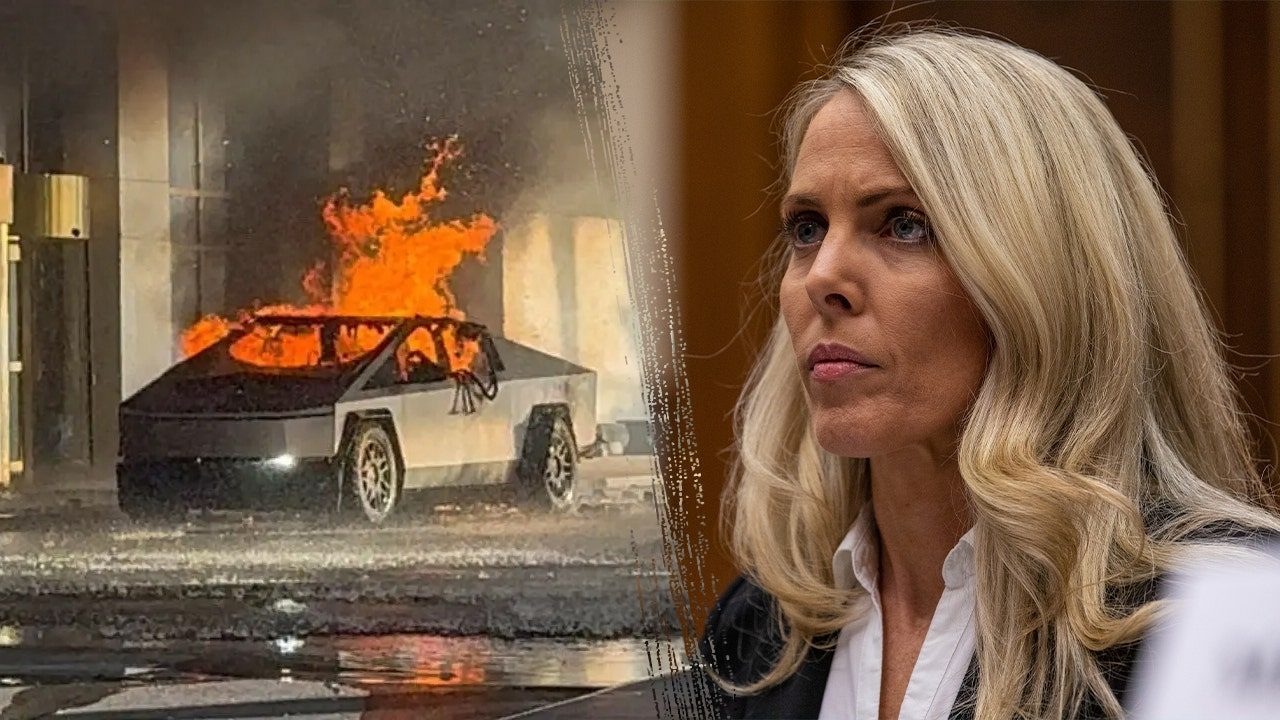
In the wake of recent attacks in Las Vegas and New Orleans, the necessity for vigilance among Americans has never been more evident. Insights from a former FBI agent underscore the critical importance of public awareness and proactive measures in safeguarding our communities. The reality is that while we cannot predict the future, we can certainly prepare for it. This article delves into the insights of security experts, examines recent incidents, and offers practical advice on how individuals and communities can remain vigilant.
The Landscape of Recent Attacks
Las Vegas and New Orleans have recently experienced tragic events that serve as stark reminders of the vulnerabilities present in society. These incidents, characterized by their unpredictability and severity, highlight a pressing need for enhanced security measures and community awareness. According to the former FBI agent, the motives behind such attacks can vary greatly, but the impact on victims and communities is universally devastating.
Understanding the nature of these attacks is crucial. In Las Vegas, the shooting at a music festival left dozens dead and hundreds injured, while in New Orleans, an alarming increase in gun violence has sparked fear among residents. Both incidents reveal a critical need for vigilance—not only from law enforcement but from everyday citizens as well.
The Importance of Public Vigilance
Staying vigilant means being aware of your surroundings and recognizing potential threats. The former FBI agent emphasizes that vigilance is not merely the responsibility of law enforcement; it is a shared duty among all community members. Here are some key points to keep in mind:
- Awareness: Being aware of your environment is the first step in prevention. This includes noticing unusual behavior in individuals and being conscious of your surroundings, especially in crowded places.
- Communication: If you see something suspicious, report it. Community members should communicate with each other and with local authorities. Creating a culture of openness can help mitigate risks.
- Education: Communities should engage in educational programs focused on recognizing signs of potential threats. Workshops and seminars can empower individuals with the knowledge to act appropriately in emergencies.
Proactive Security Measures
In addition to the need for vigilance, implementing proactive security measures can significantly enhance community safety. The former FBI agent suggests several strategies that communities can adopt:
- Neighborhood Watch Programs: These programs encourage residents to look out for one another, fostering a sense of community and shared responsibility.
- Security Training: Investing in security training for community members, including how to respond in emergencies, can make a substantial difference in outcomes during crises.
- Collaboration with Law Enforcement: Building strong relationships between communities and local law enforcement can lead to more effective crime prevention strategies. Regular meetings and joint initiatives can enhance trust and cooperation.
Leveraging Technology for Safety
In today’s digital age, technology plays a vital role in enhancing security measures. The former FBI agent highlights several technological advancements that can aid in community vigilance:
- Surveillance Cameras: The installation of surveillance cameras in public spaces can deter criminal activity and provide valuable evidence in the event of an incident.
- Mobile Applications: Numerous apps are designed to enhance personal safety, allowing users to quickly alert authorities or share their location with friends and family in emergencies.
- Social Media Awareness: Social media platforms can be powerful tools for disseminating information quickly. Communities can use these platforms to share alerts about suspicious activities or safety tips.
Building a Culture of Preparedness
Creating a resilient community requires a culture of preparedness. The former FBI agent stresses that being prepared goes beyond having a plan; it involves regular practice and engagement. Here are some ways communities can foster this culture:
- Drills and Simulations: Conducting regular drills for various emergency scenarios can help residents feel more confident and capable in the face of danger.
- Community Engagement: Hosting events that focus on safety, such as self-defense classes or first-aid training, can empower individuals and strengthen community bonds.
- Feedback Mechanisms: Establishing channels for community members to provide feedback on safety concerns can enhance trust and accountability among residents and local authorities.
Conclusion: A Collective Responsibility
Staying vigilant is not just a personal responsibility; it is a collective duty that requires the involvement of every community member. As we reflect on the tragic events in Las Vegas and New Orleans, let us remember that through awareness, communication, and proactive measures, we can work together to create safer environments for ourselves and future generations.
The insights from a former FBI agent remind us that while we cannot eliminate all risks, we can significantly reduce them through preparedness and vigilance. By fostering a culture of safety and awareness, we can empower ourselves and our communities to respond effectively to threats, ultimately creating a more secure society for all.
In the face of uncertainty, let us choose to remain vigilant and proactive, ensuring that we are not just passive observers but active participants in the safety of our communities.
See more ABC News Feed


