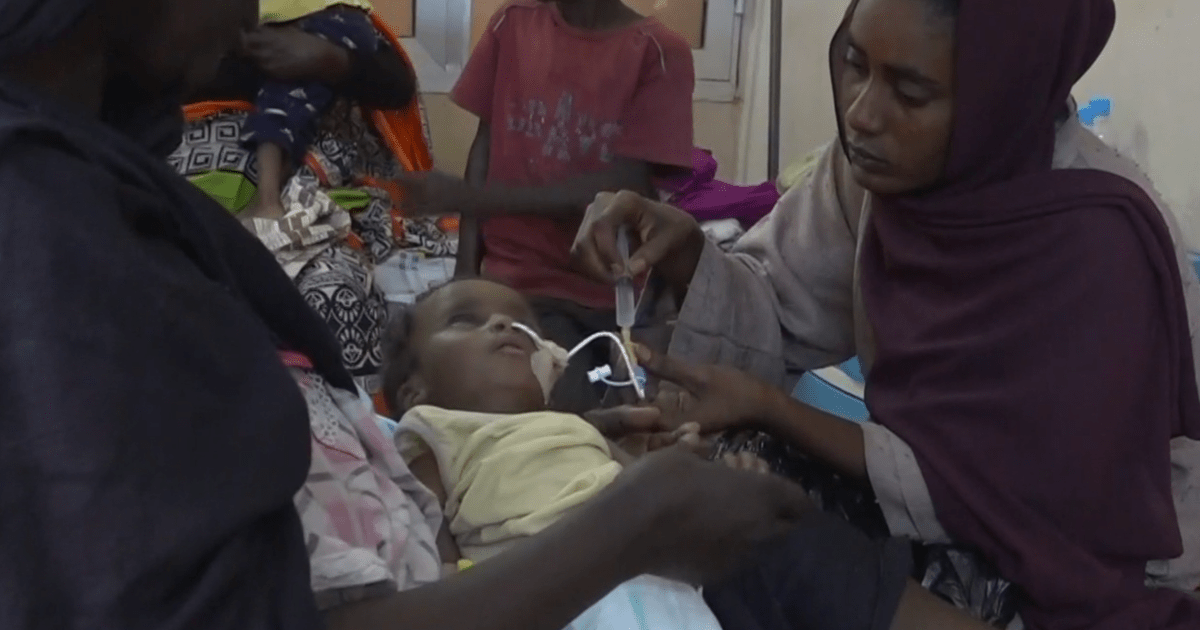
Starvation Crisis in Sudan: The Dire Situation for Children
The ongoing civil war in Sudan has plunged the nation into chaos, leaving behind a trail of devastation that disproportionately affects its most vulnerable population—children. As the conflict escalates, an alarming rise in malnutrition and starvation cases has been reported. Aid workers are now sounding the alarm, particularly in light of recent U.S. aid cuts, which threaten to exacerbate the starvation crisis in Sudan. With the situation growing increasingly dire, understanding the multifaceted challenges at play is essential for addressing this humanitarian catastrophe.
The Current Humanitarian Landscape
Sudan has been grappling with internal strife for decades, but the current civil war, igniting in April 2023, has led to unprecedented levels of violence and instability. As factions vie for power, millions of civilians have been caught in the crossfire, with children bearing the brunt of this turmoil. The United Nations estimates that approximately 14 million children in Sudan are at risk of severe malnutrition, a shocking statistic that underscores the urgency of the situation.
The humanitarian response in Sudan has always been fraught with challenges, but the recent freeze on U.S. assistance marks a critical turning point. Previously, American aid played a pivotal role in supporting food distribution programs, healthcare, and education for children. Now, advocates warn that without this support, the starvation crisis in Sudan could worsen dramatically.
The Impact of Aid Cuts on Starvation Crisis in Sudan
The U.S. government’s decision to freeze assistance has sent shockwaves through the humanitarian community. Aid organizations report that the cuts have already translated into reduced food rations and healthcare services for vulnerable populations. This shift poses a significant risk to children’s health and wellbeing. To illustrate, here are some potential consequences:
- Increased Rates of Malnutrition: The absence of food aid is likely to lead to a spike in severe acute malnutrition among children, a condition that can lead to long-term developmental issues and even death.
- Healthcare Services in Jeopardy: Many clinics and health facilities that rely on foreign aid are struggling to operate, jeopardizing medical care for children suffering from preventable diseases.
- Long-term Socioeconomic Impact: A generation of children facing starvation will likely grow into adults with limited education and skills, perpetuating the cycle of poverty and instability in Sudan.
The Voices of Those Affected
To understand the human impact of the starvation crisis in Sudan, it’s crucial to listen to the voices of those on the ground. A recent report from Save the Children highlights a poignant story of a mother named Amina, who fled her home with her three children. “We left everything behind. All I want is to feed my kids,” she lamented. Amina’s story is not unique; countless families are finding themselves in similar predicaments, fighting to survive each day.
The emotional toll on children is equally harrowing. Many are experiencing not only physical hunger but also psychological trauma from witnessing violence and instability. Aid workers report an increase in cases of anxiety and depression among children, which can have lasting effects on their mental health and development.
Global Response and Responsibility
The international community has a critical role to play in addressing the starvation crisis in Sudan. While the U.S. pause in aid is impactful, other nations and organizations must step up to fill the gap. Here are some ways the global community can contribute:
- Increased Humanitarian Assistance: Countries should commit to providing food, medical supplies, and financial support to organizations working on the ground in Sudan.
- Advocacy and Awareness: Raising awareness about the dire situation in Sudan can lead to increased public support for humanitarian efforts and pressure governments to act.
- Long-term Solutions: Beyond immediate relief, investing in sustainable agricultural practices and education can help build resilience against future crises.
Local Solutions and Community Resilience
While international aid is crucial, local communities often hold the keys to resilience and recovery. Community-led initiatives can provide innovative solutions to food insecurity. For instance, local farmers can be supported through training and resources to enhance their productivity. Community gardens and cooperatives can also play a vital role in increasing food availability.
Moreover, fostering partnerships between local organizations and international NGOs can create synergies that leverage resources and knowledge effectively. By empowering local actors, the reliance on external aid can be reduced, leading to a more sustainable approach to addressing the starvation crisis in Sudan.
Moving Forward: Hope Amidst Despair
Despite the grim outlook, there are glimmers of hope. Humanitarian organizations continue to work tirelessly, even amidst challenges, to deliver aid and support to affected communities. Efforts are underway to mobilize resources and advocate for the reinstitution of U.S. assistance, emphasizing the urgent need for global solidarity.
In addition, grassroots movements within Sudan are emerging, showcasing the resilience and determination of the people. Local leaders are stepping up to advocate for their communities’ needs, and their voices are becoming louder in the international arena.
Conclusion: The Time to Act is Now
The starvation crisis in Sudan is not just a statistic; it’s a reality faced by millions of children and their families. The recent cuts in aid threaten to deepen an already tragic situation, but it’s essential for the global community to rally together to prevent further loss of life. By investing in humanitarian aid, supporting local solutions, and advocating for those in need, we can help alleviate the suffering and build a brighter future for Sudan’s children.
As we reflect on the urgency of this crisis, it is clear that every action counts. The children of Sudan deserve our attention, our compassion, and above all, our unwavering commitment to ensuring their survival and prosperity in the years to come.
See more ABC News Feed


